
Last updated September 10, 2026
Level 1 sweep and inspection to the NFPA 211 annual standard - flue, crown, cap, and flashing checked and photographed
Chimney sweep logs do not sweep chimneys. They loosen some creosote - which then falls where a brush and vacuum still have to collect it.
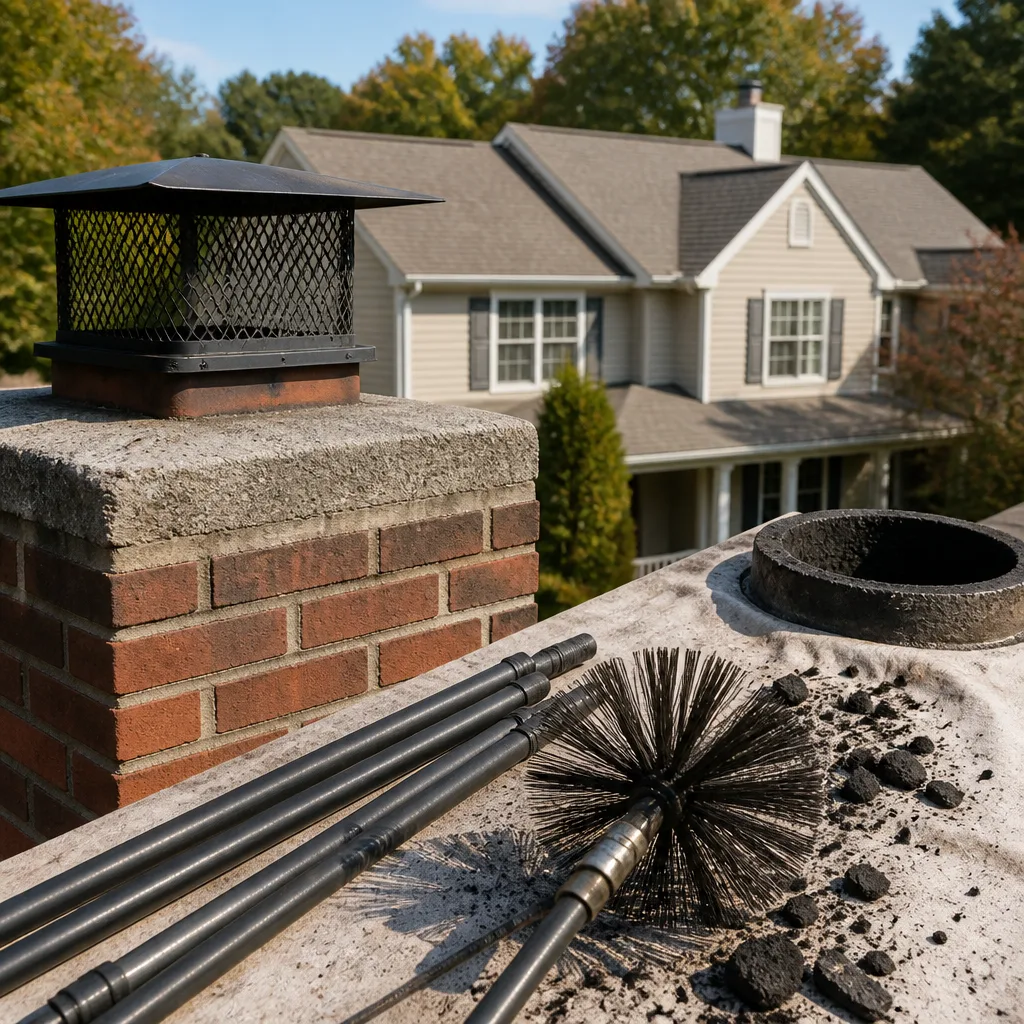
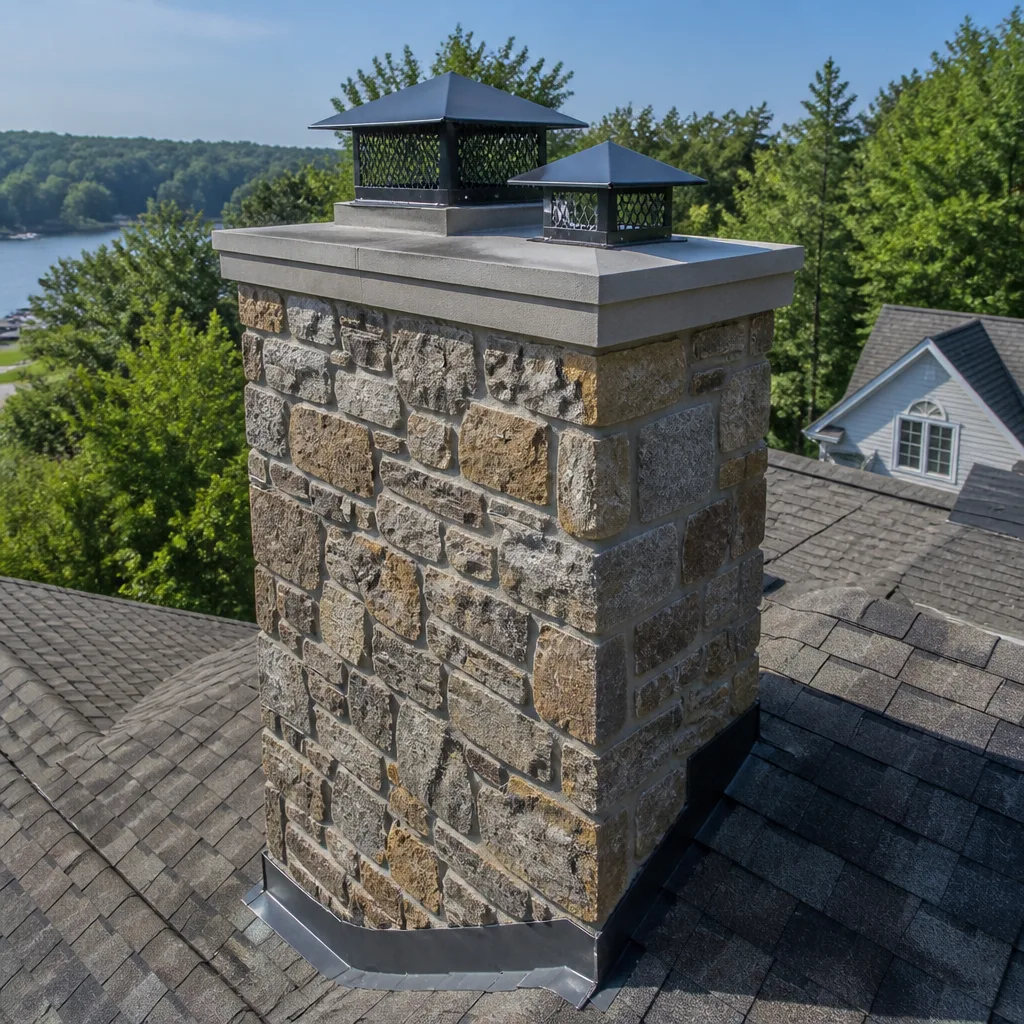
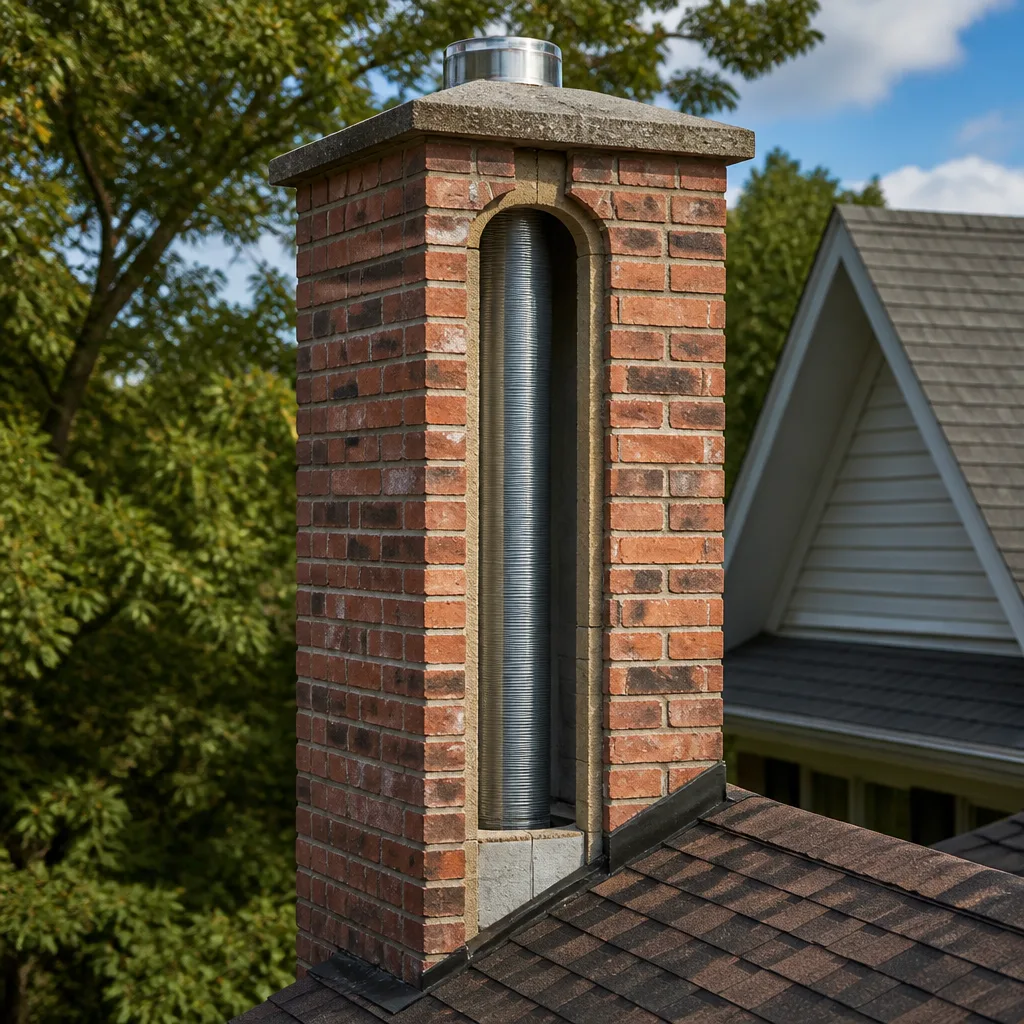
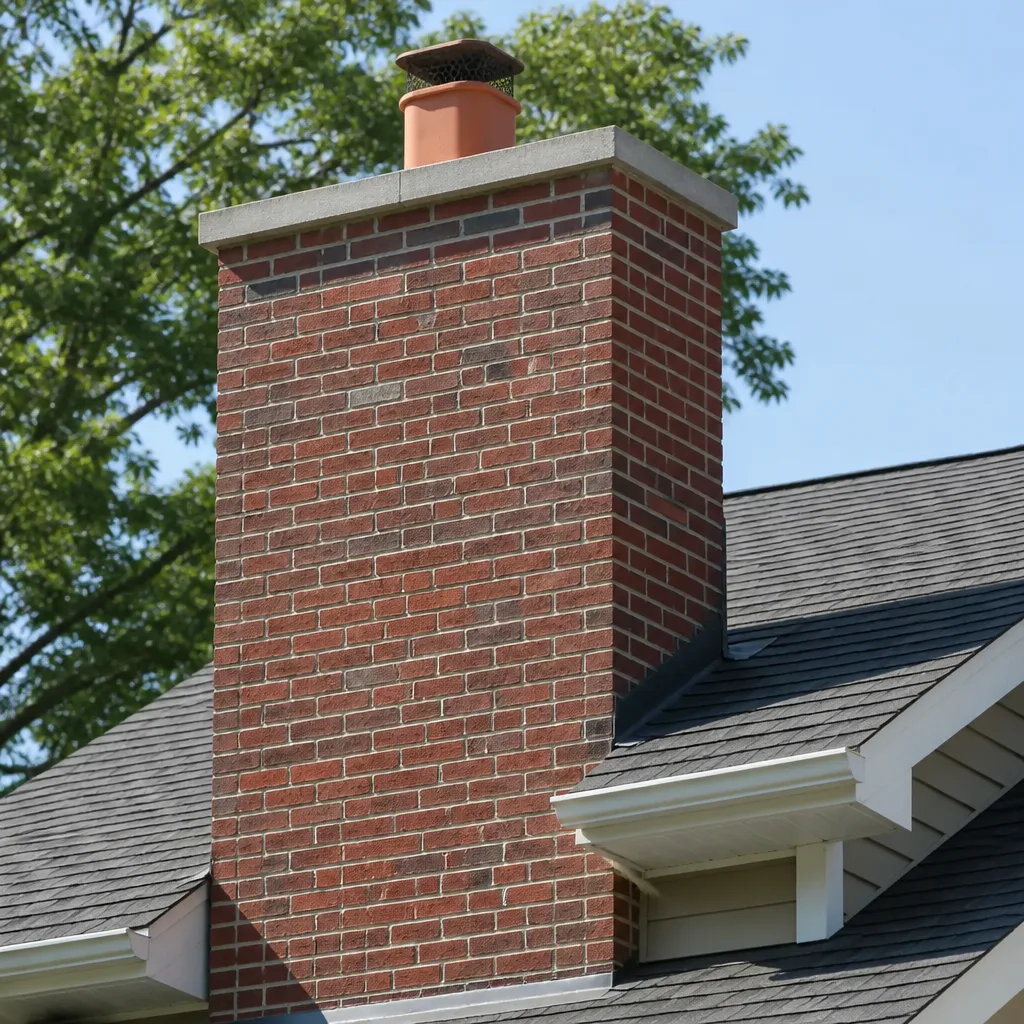
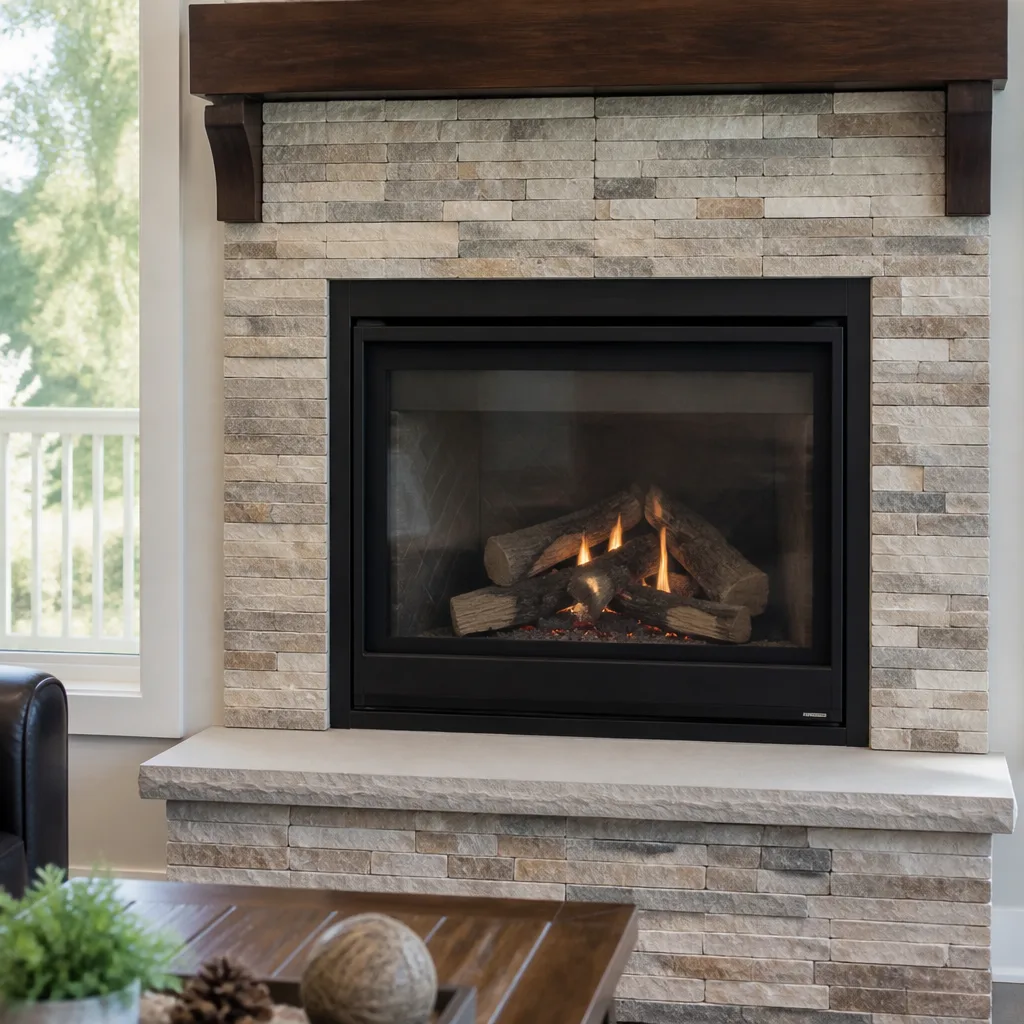
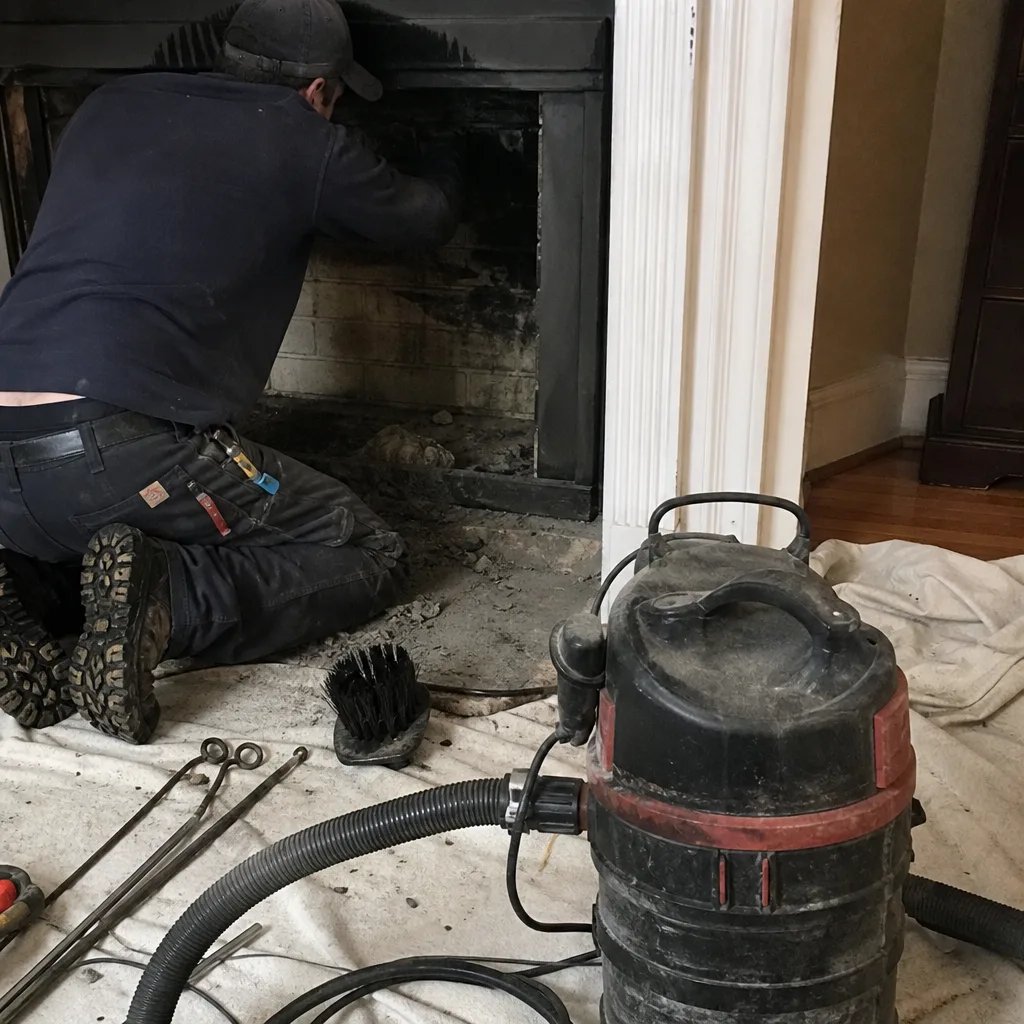 Before
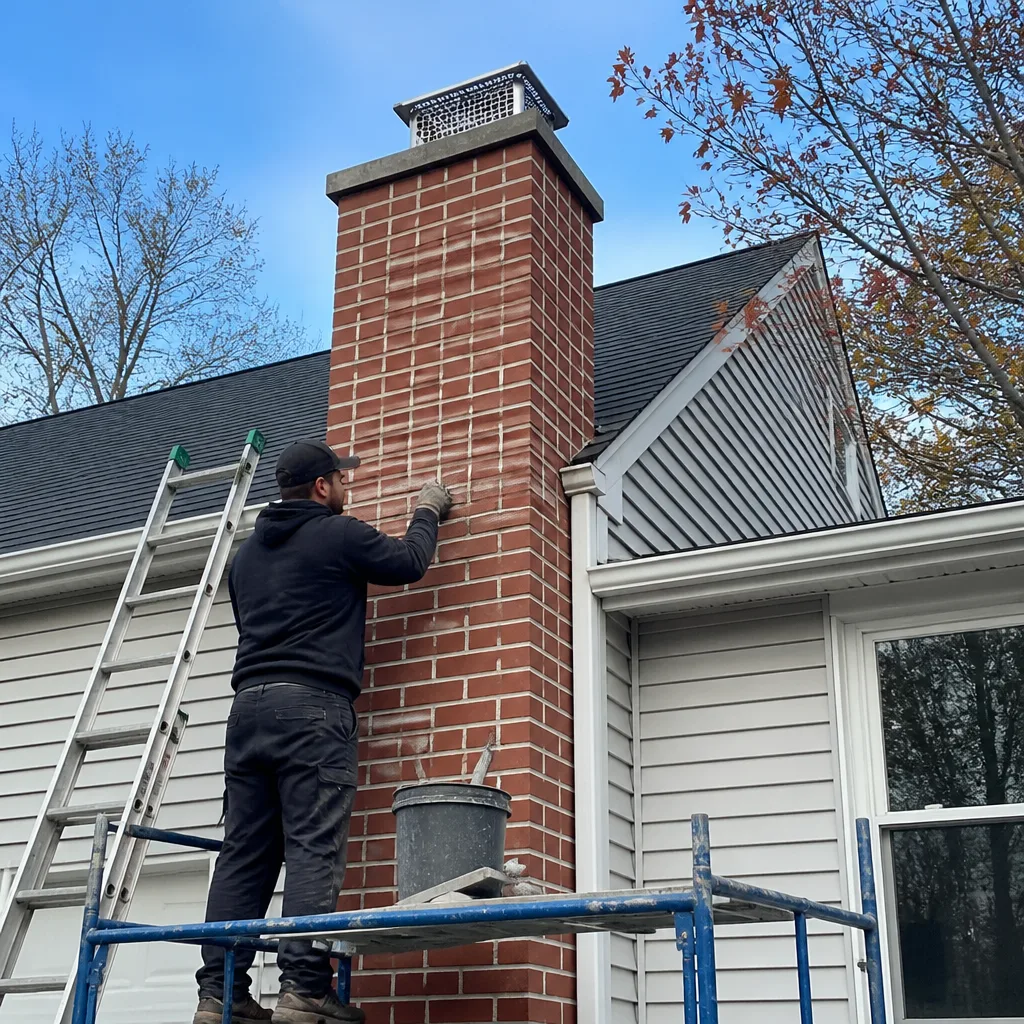 After
After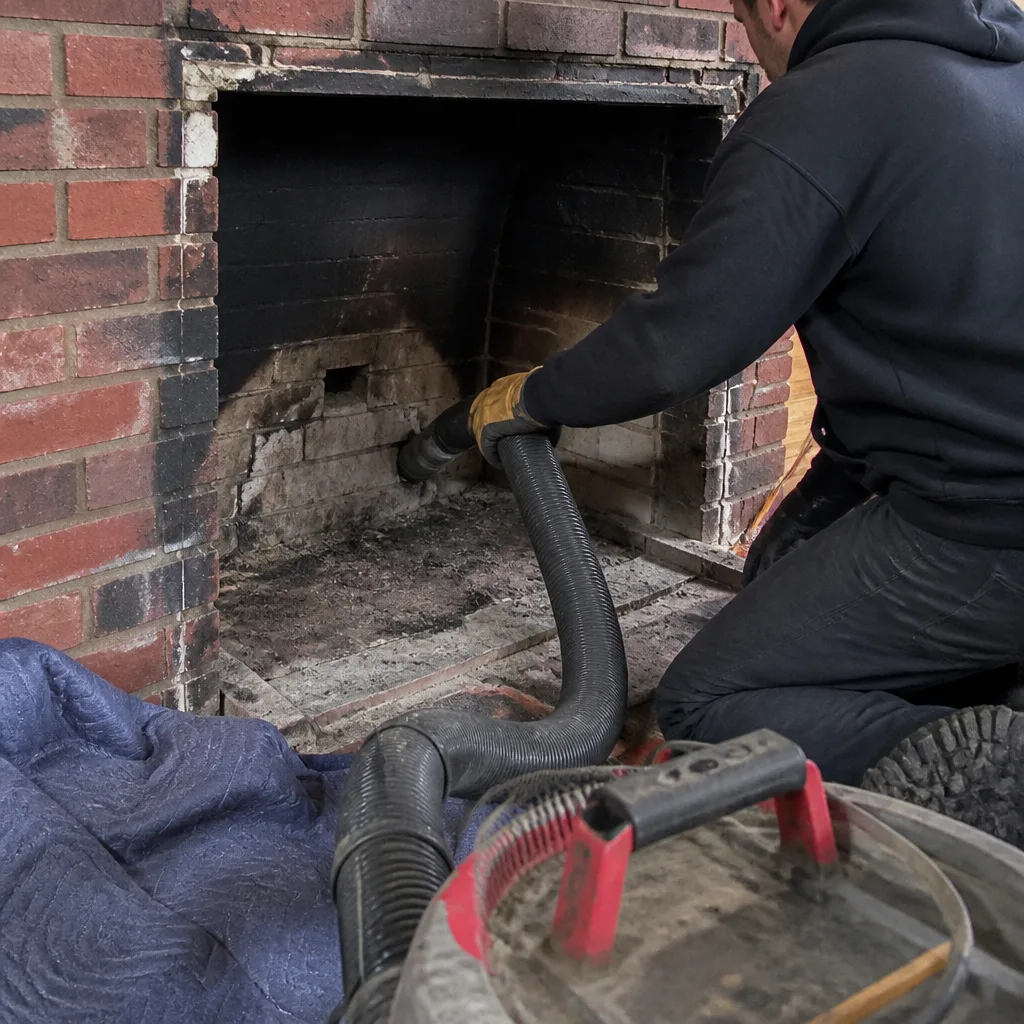 Before
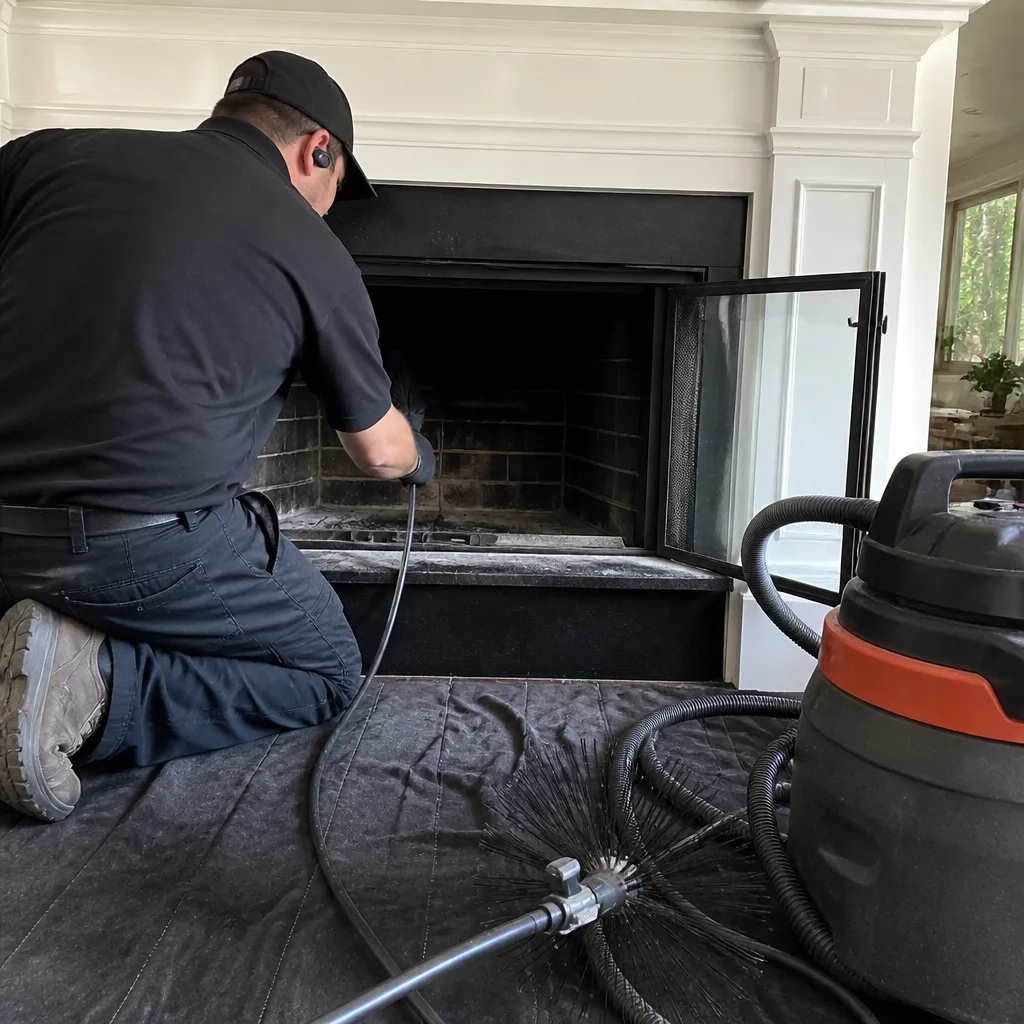 After
After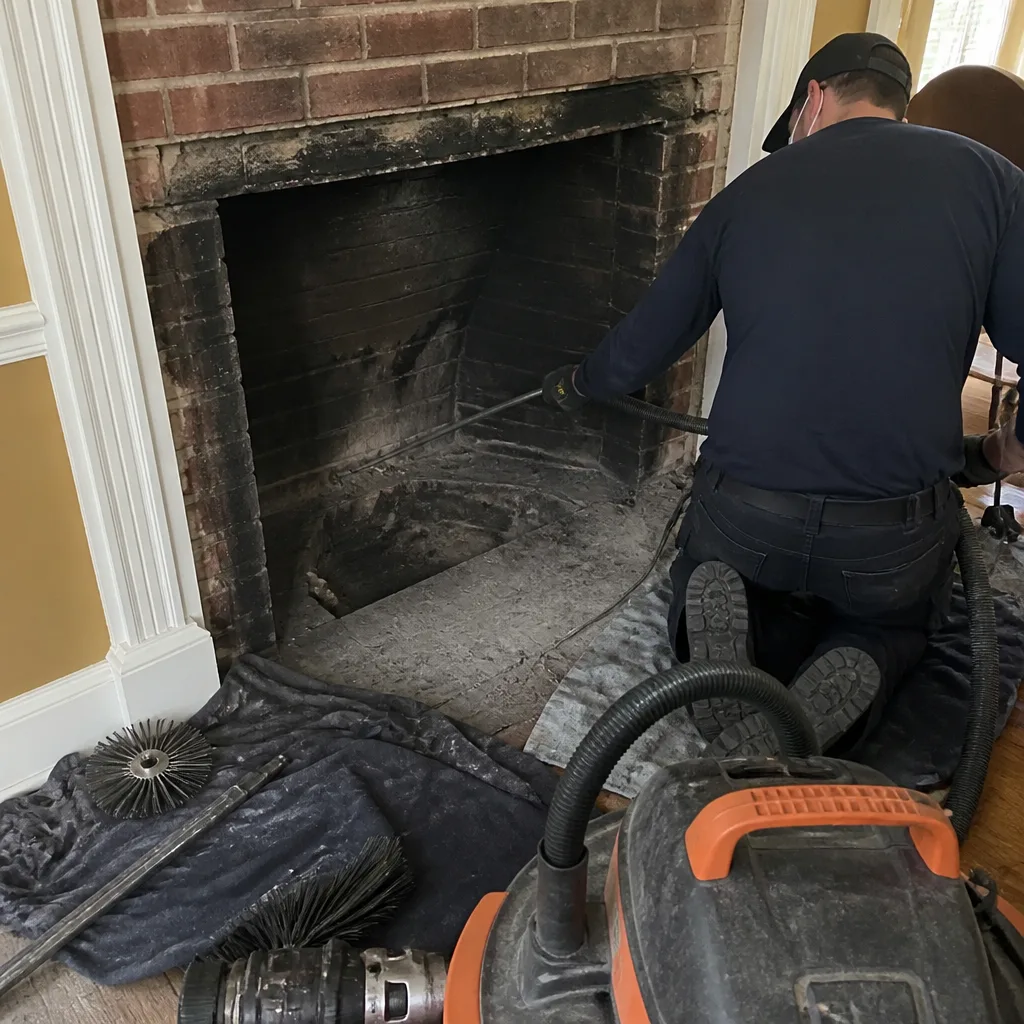 Before
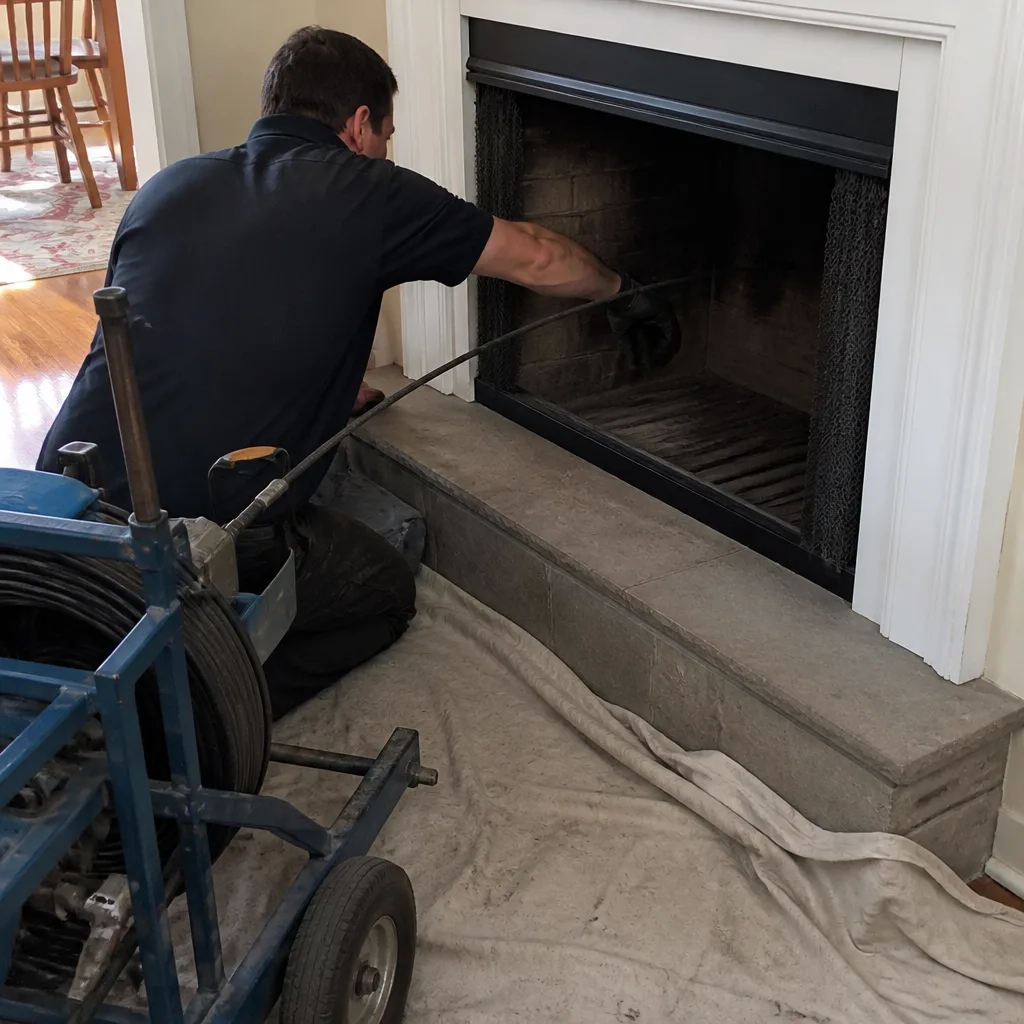 After
AfterThe Complete Guide to Chimney Cleaning in Framingham
The CSIA says chimneys should be inspected annually, but “inspected” and “cleaned” aren’t the same word, and plenty of sweeps hope you never notice the difference. In Framingham, where split-level ranches sit next to 1920s colonials and half the chimneys were built before anyone thought about stainless steel liners, that difference can cost you thousands. This guide explains what a real chimney cleaning actually involves, how often your specific chimney needs one, and what should happen when a sweep walks through your door on Saxonville Road or anywhere else in town. For more guides & resources, see our blog.
Quick Answer
Most Framingham homeowners should have their chimney cleaned when creosote buildup reaches 1/8 inch thick, which for a wood-burning fireplace used regularly means roughly every cord of wood burned, not automatically every calendar year. A legitimate cleaning takes 45-90 minutes and includes the flue, smoke chamber, damper, and firebox, not a 15-minute brush-through. Annual inspections are prudent; annual cleanings are often oversold.
Table of Contents
- The Difference Between an Inspection and a Cleaning
- What a Legitimate Chimney Cleaning Looks Like, Start to Finish
- Framingham-Specific Chimney Issues You Should Know About
- How Often Should You Actually Clean Your Chimney?
- Creosote: The Real Reason Chimney Fires Happen
- What Does a Chimney Cleaning Cost in Framingham?
- What a Chimney Sweep’s Guarantee Should Actually Look Like
- Common Mistakes to Avoid
- When to Call a Professional
- Frequently Asked Questions
- The Bottom Line
The Difference Between an Inspection and a Cleaning
Here’s the sentence that saves Framingham homeowners money: an inspection looks at your chimney; a cleaning removes material from your chimney. They are not the same job, and you should know which one you’re paying for. The national average for a chimney sweep runs $150-$350, but plenty of companies charge that full sweep price for what amounts to a visual once-over with a flashlight and a few brush strokes. Wendell has walked into homes in Framingham where the previous sweep never touched the smoke chamber because the homeowner couldn’t see it from the living room. Your flue doesn’t care how the fire looks. It cares how it breathes.
There are three distinct levels, and knowing them protects you from being oversold:
- Level 1 Inspection: A visual check of the accessible parts of the chimney, interior and exterior, using a flashlight. This happens during routine maintenance when nothing about the system has changed. If the chimney has been swept recently and you’re burning the same fuel in the same fireplace, a Level 1 is usually adequate.
- Chimney Sweeping: The actual removal of creosote, soot, and debris from the flue, smoke chamber, damper area, and firebox using brushes sized to your liner. A real sweep leaves the flue surfaces clean enough to inspect. In our experience, a 20-minute visit that only brushes the visible flue is theater, not maintenance.
- Level 2 Inspection: A more thorough inspection, typically involving camera equipment run up the flue. This is warranted when you’re buying or selling a home, after a chimney fire, after a major weather event, or when converting between fuel types. It is not something every Framingham homeowner needs every year unless something specific triggers it.
Here’s the honest version: most homeowners who burn seasoned wood and don’t have a problem would do fine with a Level 1 inspection and a cleaning when creosote warrants it. A Level 2 inspection is for changes, transactions, and incidents. If a sweep tells you every visit needs a camera and charges accordingly, ask what changed since last year. For more on what a thorough cleaning entails, see our guide to Chimney Cleaning & Sweep in Framingham.
What a Legitimate Chimney Cleaning Looks Like, Start to Finish
You should know what a real job looks like so you can tell the difference between a pro and a guy with a brush. Here is the sequence Wendell and his crew follow on every Top Hat Chimney home visit in Framingham, and it’s a reasonable benchmark for any sweep’s work:
- Arrival and floor protection (10 minutes): Drop cloths go down in front of the fireplace and along the path from the door. The vacuum gets set up outside or at the hearth. If the sweep walks in with just a brush and a tarp, that’s a warning sign.
- System check before sweeping (10 minutes): The sweep opens the damper, shines a light up the flue, and looks for obstructions, animal nests, cracked tiles, or signs of a previous chimney fire. This is when a pro catches the things that turn into bigger Chimney Repair in Framingham calls later.
- The sweep itself (20-40 minutes depending on the chimney): Brushes sized to the flue run from the top down, from the bottom up, or both, depending on roof access and liner type. The smoke chamber above the damper gets brushed and vacuumed too, which is where first-degree creosote turns to heavier deposits.
- Smoke chamber and damper cleaning (10-15 minutes): This is the part amateurs skip. The smoke chamber is the funnel above the firebox where creosote and soot accumulate. If it doesn’t get cleaned, the chimney will not draft properly and will collect creosote faster next season.
- Final visual check (5 minutes): After the sweep, the flue is checked again to confirm nothing got missed or damaged during the cleaning. Any cracks, gaps, or damage get documented.
- Report and recommendation (5 minutes): You get a plain-English summary of what was found and what, if anything, needs attention. At Top Hat Chimney, that means camera footage and a plain-English verdict, every time, no exceptions.
All told, a legitimate cleaning of a single flue takes 45-90 minutes. If someone comes to your Framingham home, brushes the flue for ten minutes, and hands you a bill for $300, they cleaned the part you can’t see, and not much of it.
Framingham-Specific Chimney Issues You Should Know About
Framingham is not a one-chimney town, and the issues we see vary by neighborhood and era of construction. Houses north of Route 9 tend to be older colonials with terra cotta flue liners, often original from the 1940s and 1950s. Terra cotta tiles crack with age and heat cycling, and once a tile cracks, the gap becomes a creosote trap and a fire path. In the Sudbury Road neighborhoods and out toward Nobscot, we see a lot of wood stove inserts in masonry fireplaces, which changes the cleaning calculus entirely. An insert with a stainless steel liner connected directly to the stove runs hotter and drafts differently than an open fireplace; it’s a different cleaning job with different clearances.
Another pattern we see across Framingham is the oil-to-gas conversion. Homes that started life with oil heat converted to natural gas and left the old furnace flue abandoned. An abandoned flue still vents, still gets debris, and still needs a cap and inspection. Birds, squirrels, and raccoons do not care that you stopped using that chimney. We have pulled nests out of flues on Belknap Road that had been “retired” for a decade. If you have a chimney that no longer serves a working appliance, cap it and check it annually, or it becomes a surprise Fireplace Services in Framingham repair.
Finally, the freeze-thaw cycle here is brutal on masonry. Framingham winters go below freezing, then warm up, then drop again. Water gets into crown cracks, freezes, expands, and spalls the brick. Many chimney crowns in town have hairline cracks that homeowners never notice until water stains appear on the ceiling below. A chimney sweep who only works the flue and never walks the roof is doing half a job.
How Often Should You Actually Clean Your Chimney?
The “annual cleaning no matter what” rule is a sales script, not a safety standard. Here is the math that matters. Creosote builds up as a function of how much wood you burn, how seasoned that wood is, and how efficiently your fire burns. A fireplace used two nights a week from November through March with properly seasoned hardwood might build 1/8 inch of creosote in a season. That’s the threshold where the NFPA says cleaning is warranted. A fireplace used four nights a week with the same wood will hit that threshold in half the time. An occasional fire on holidays in a fireplace that’s mostly decorative might take three years to build a cleanable deposit.
Burn habits matter more than the calendar. Burning unseasoned wood, softwood, or running smoky, low-oxygen fires coats the flue faster than anything else. Once a year, burn or no burn, is still a good rule for an inspection, because chimneys break in the off-season too. But cleaning should follow the condition of the flue, not the date on the wall. Ask anyone on your street who burns wood heavily and you’ll hear the same thing: some years need two cleanings, some need none. See our Seasonal Chimney Cleaning Care for Framingham: Year-Round Homeowner’s Guide for a full breakdown.
Creosote: The Real Reason Chimney Fires Happen
Creosote forms when wood smoke cools and condenses on the flue walls. It’s not one substance; it comes in stages, and the stage determines what you’re dealing with. First-degree creosote is brushable, flaky, and comes off easily with a standard chimney brush. Second-degree is harder and shinier; it resembles tar and needs more mechanical work. Third-degree is a hardened glaze that formed after a hot fire cooked the earlier stages onto the liner walls. First-degree creosote is a brush job. Third-degree is a glaze; catch it early.
Here’s why the stage matters for your safety: third-degree creosote ignites at roughly 2,000°F, and chimney fires burn hot enough to crack terra cotta liners and melt mortar. If you have ever heard a loud rumbling like a freight train in your chimney, you’ve had a chimney fire. After any chimney fire, the chimney must be inspected before you burn again. That’s non-negotiable. The flue may have cracked, the liner may have separated, and what was a maintenance issue is now a structural one.
You can slow creosote buildup without changing your chimney. Burn seasoned hardwood with a moisture content under 20%. Give fires enough air; a smoldering fire is a creosote factory. Start with a hot, clean-burning fire and let it burn down naturally. Avoid burning cardboard, wrapping paper, or construction scrap. And have the flue checked before the burning season starts, because what you built up last March is still sitting in there in October.
What Does a Chimney Cleaning Cost in Framingham?
An honest chimney sweep in the Framingham market charges between $180 and $350 for a standard single-flue cleaning, depending on roof access, liner condition, and how long it’s been since the last sweep. Here’s what that typically includes and what it does not:
- Standard sweep (single flue, accessible roof): $180-$250
- Standard sweep with moderate creosote buildup: $250-$300
- Heavy creosote, glazed deposits, or difficult roof access: $300-$350
- Level 2 camera inspection (add-on or standalone): $100-$200
- Cap or crown repair identified during the visit: Quoted separately, never bundled blindly
Those numbers reflect what we see across the Framingham and MetroWest area, and they assume the sweep is actually cleaning the entire system, not just the flue. If a quote sounds too good to be true, ask what’s included. If a quote comes in way above this range, ask what’s driving it. Our How to Hire a Chimney Cleaning Contractor in Framingham: A Step-by-Step Guide walks you through vetting any company. The number you hear on the phone should be the number on the invoice, and if it’s not, you’re dealing with the wrong company. Top Hat Chimney delivers upfront pricing before a single tool comes off the truck, and the price is the price.
What a Chimney Sweep’s Guarantee Should Actually Look Like
Here’s a benchmark for any sweep in Framingham, not just us. A real guarantee is written, it covers the work itself, and it has a simple trigger: if the job isn’t right, someone comes back and fixes it at no additional cost. Top Hat Chimney puts the 90-Day Done Right Promise on every job in writing. If the cleaning or repair isn’t done right, one call brings Wendell and his crew back. That’s it. No fine print, no “normal wear and tear” carve-outs, no voicemail maze.
Why 90 days? Because that’s long enough for you to build a few fires, watch how the chimney draws, and notice anything that feels off. A guarantee that expires as soon as the truck pulls away is a receipt, not a promise. When you’re comparing quotes in Framingham, ask the company what their guarantee is in writing. If they hesitate, that’s your answer. Wendell puts his name and license number on every job, and he runs into you again at the transfer station or the Saturday morning coffee line. That’s what local accountability looks like.
Common Mistakes to Avoid
- Paying for an annual cleaning without asking whether the flue actually needed it. A good sweep will tell you when your chimney is clean enough to skip a year. A salesperson will clean a clean chimney and charge you for it.
- Hiring the cheapest sweep in the phone book and assuming the job got done. In Framingham, you’ll find guys with a brush and a truck who will charge $79 and leave the smoke chamber untouched. The camera footage and a plain-English verdict should come on every job, no exceptions; if it doesn’t, you paid for theater.
- Burning unseasoned wood and wondering why the flue clogs up. Green wood smolders, smokes, and deposits creosote at triple the rate of seasoned hardwood. Stack wood a full year before you burn it.
- Ignoring the exterior of the chimney. The flue can be spotless while the crown above it crumbles and leaks water into the masonry. A complete visit includes a look at the cap, crown, and brick.
- Skipping inspections after a chimney fire or a near miss. A fire changes the structure. Burn again without a camera inspection and you’re gambling with the safety of everyone in the house.
- Trusting a phone quote from a national franchise and being surprised at the door. Framingham homeowners tell us this same story more often than we’d like. Get the price upfront, in writing, before work starts.
- Assuming a gas fireplace needs no maintenance. Gas logs produce less creosote but they still need venting checks, and abandoned furnace flues still collect debris and animals.
When to Call a Professional
Call a sweep if you see black, shiny creosote in the flue or firebox, if you smell smoke in the house after the fire has burned down, if you hear animals in the chimney, if you see water stains on the ceiling or walls near the chimney, or if you’ve had a chimney fire, however small. Call before burning season if you haven’t checked the flue in over a year. And call anytime you’re not sure. Top Hat Chimney offers free estimates in Framingham. Call (781) 390-9211 and you’ll get a live person on the phone, not a voicemail box. Wendell has been serving this community since 1999, and he’ll tell you straight whether the job needs doing.
Frequently Asked Questions
A standard single-flue chimney cleaning in Framingham typically runs $180 to $350, depending on access, creosote buildup, and liner condition. The price includes the flue, smoke chamber, damper, and firebox, not just a brush through the flue. If you’re quoted significantly less, confirm what’s included before you book. Call (781) 390-9211 for an exact quote; estimates are free.
A chimney should be swept when creosote reaches 1/8 inch thick, which for a Framingham wood burner using seasoned hardwood is roughly every cord of wood burned. That means an active fireplace may need cleaning once or twice a season, while an occasional burner might go two to three years between cleanings. Have an inspection each year, but clean based on condition, not the calendar.
Not without evidence you can see for yourself. If a liner is cracked, separated, or missing sections, the camera footage will show it and the risk is real. But you should never be told to replace a liner based on age alone. Ask to see the camera footage and get a plain-English explanation of what’s failing and why. A reputable sweep will show you the problem, not just describe it.
Creosote keeps building up, and creosote burns. A chimney fire can crack terra cotta tiles, melt mortar, and expose combustible framing to temperatures that can start a house fire. Even without a fire, a clogged chimney pushes carbon monoxide back into the house instead of up the flue. The risk is not theoretical; we’ve seen the aftermath in Framingham homes where a decade of deferred cleaning ended in a firebox that looked like a kiln.
No. A legitimate cleaning of the full system takes 45 to 90 minutes. If a sweep arrives, runs a brush up the flue for ten minutes, and hands you an invoice, ask what happened to the smoke chamber and damper. You paid for a cleaning, not a quick brush.
Gas logs produce far less creosote than wood, but the venting still needs to be checked for blockages, debris, and moisture damage. If the gas fireplace shares a flue with anything else, or if the chimney was previously used for wood or oil, it needs a thorough inspection before you trust it. An abandoned oil flue is not a maintenance-free flue.
The Bottom Line
Chimney cleaning in Framingham is not an annual ritual to buy out of habit; it’s a maintenance decision based on how much you burn, what you burn, and what’s actually in your flue. Inspect annually, clean when the creosote says so, and never pay for a cleaning without knowing what got cleaned. Demand camera evidence, written guarantees, and upfront pricing. Whether you’re in a 1940s colonial with a terra cotta liner or a ranch with a gas insert off Edgell Road, the rule is the same: know your chimney, see the evidence, and deal with a sweep who puts his name on the work. If you want the owner-operated alternative in Framingham, call Top Hat Chimney at (781) 390-9211 for a free estimate. Wendell will tell you straight what your chimney needs, and what it doesn’t.
Written by Wendell Pike, Owner at Top Hat Chimney, serving Framingham since 1999.