
Last updated September 10, 2026
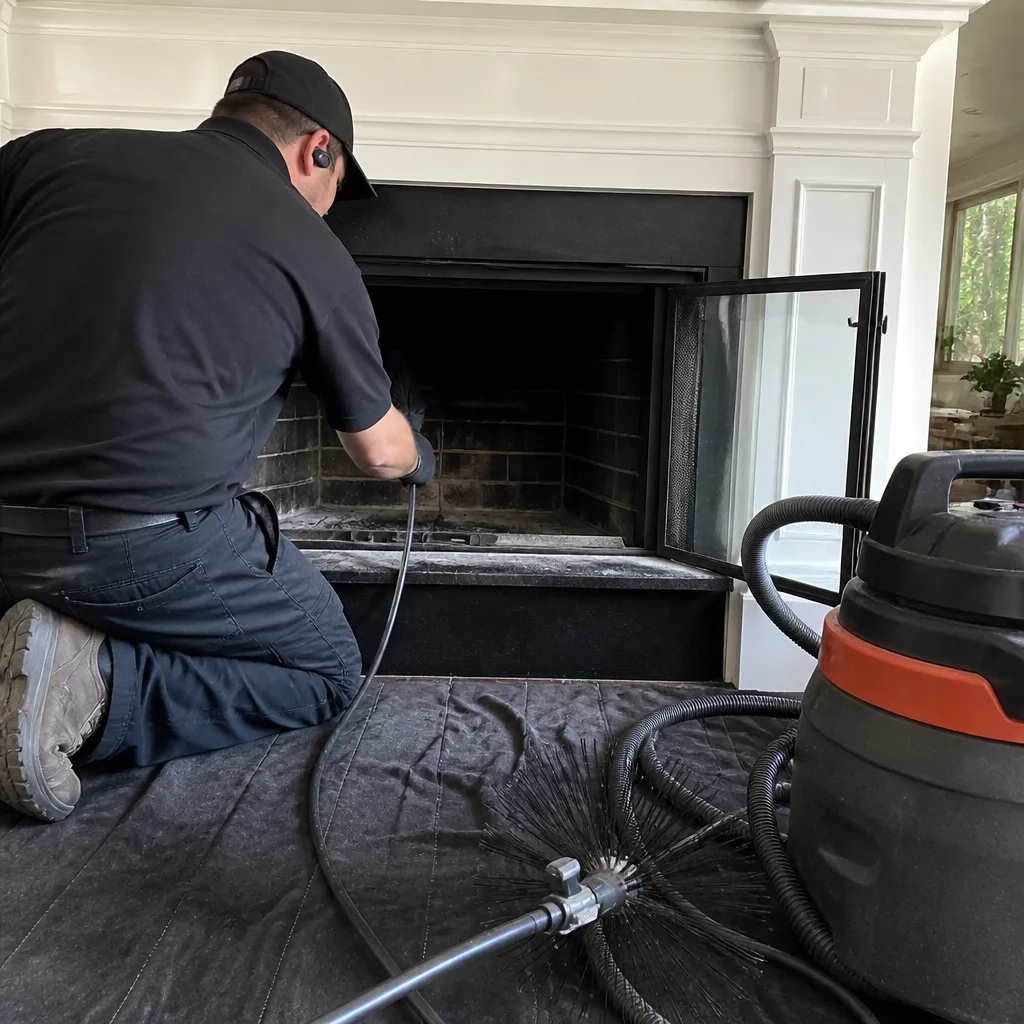
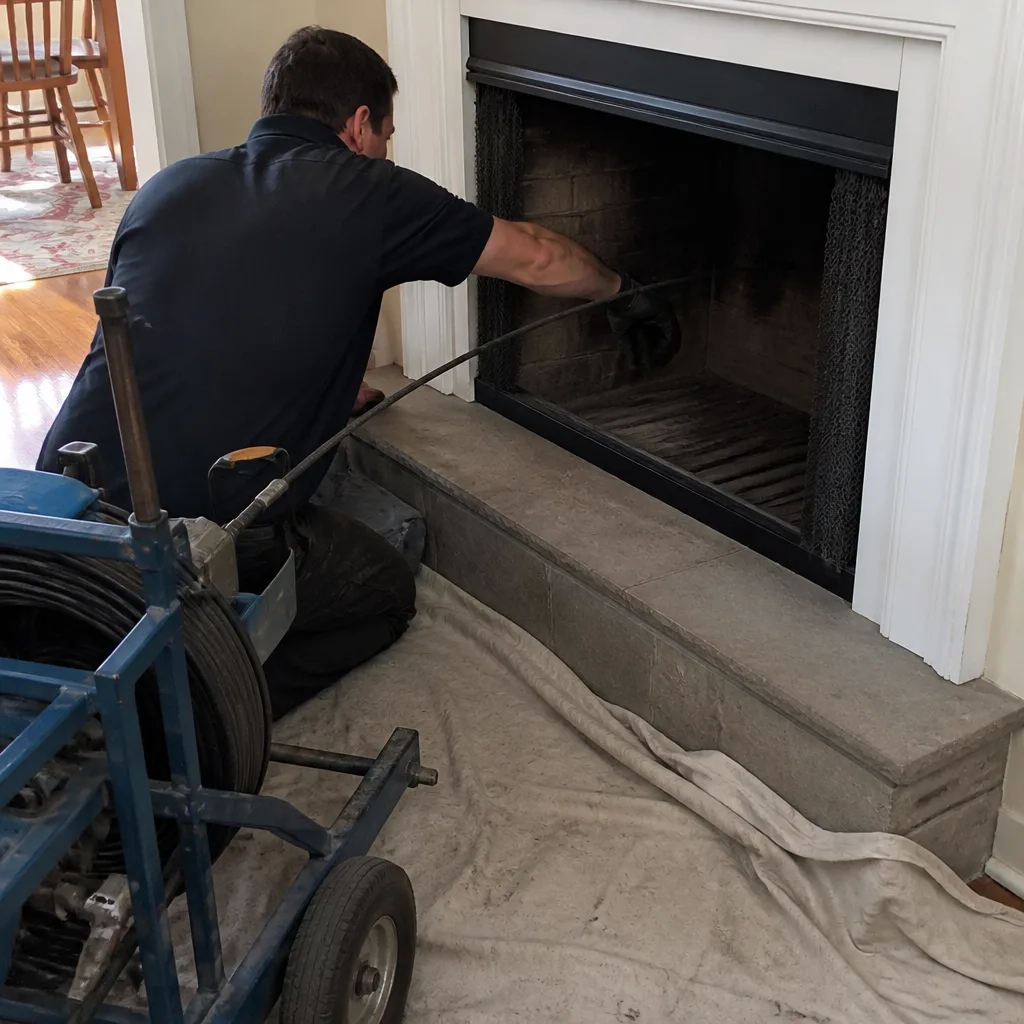
Level 1 sweep and inspection to the NFPA 211 annual standard - flue, crown, cap, and flashing checked and photographed
Chimney sweep logs do not sweep chimneys. They loosen some creosote - which then falls where a brush and vacuum still have to collect it.
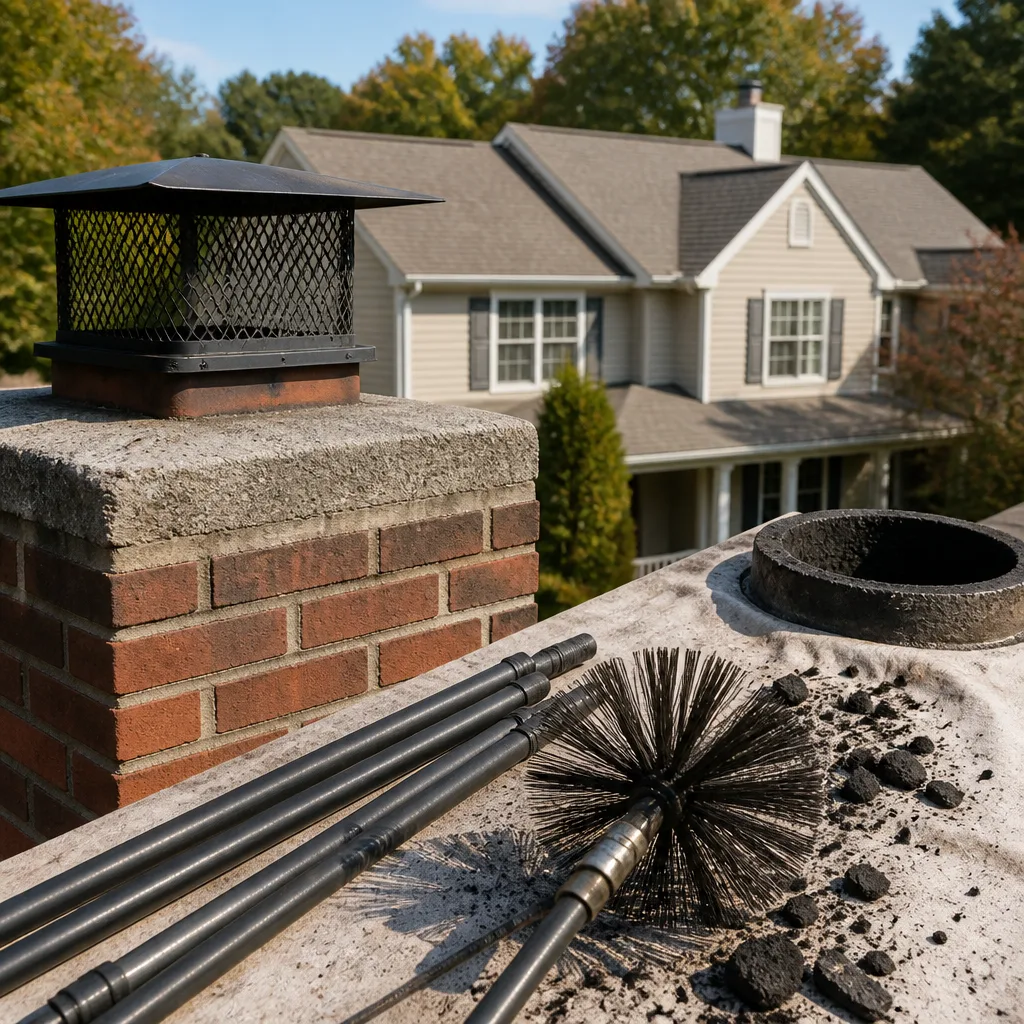
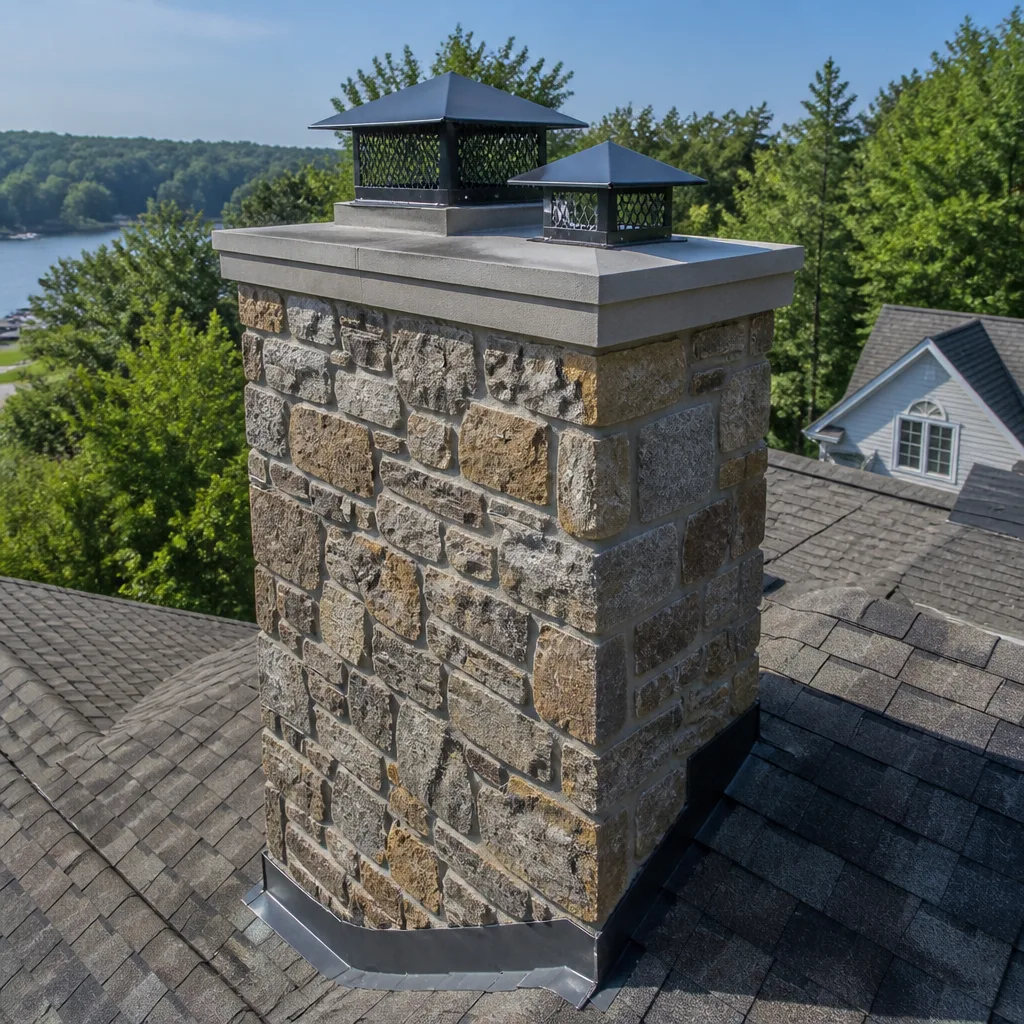
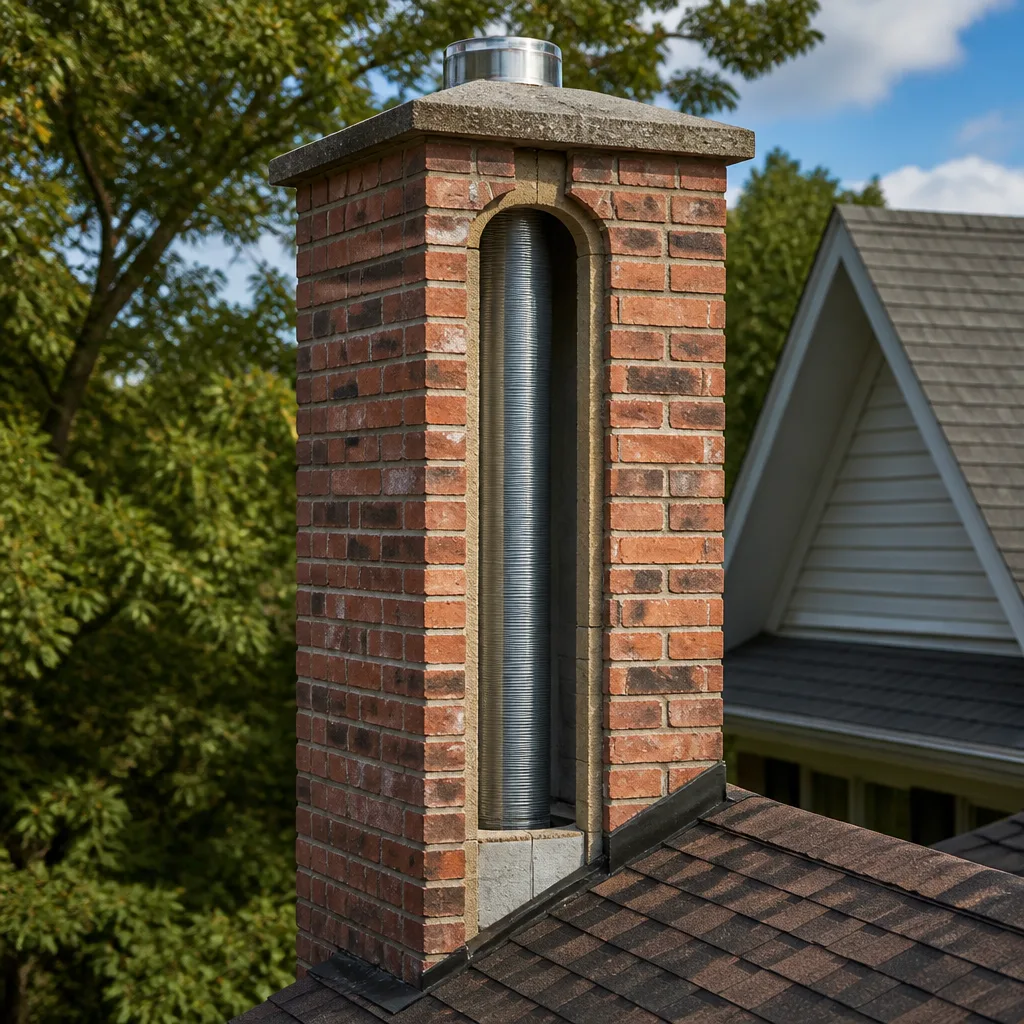
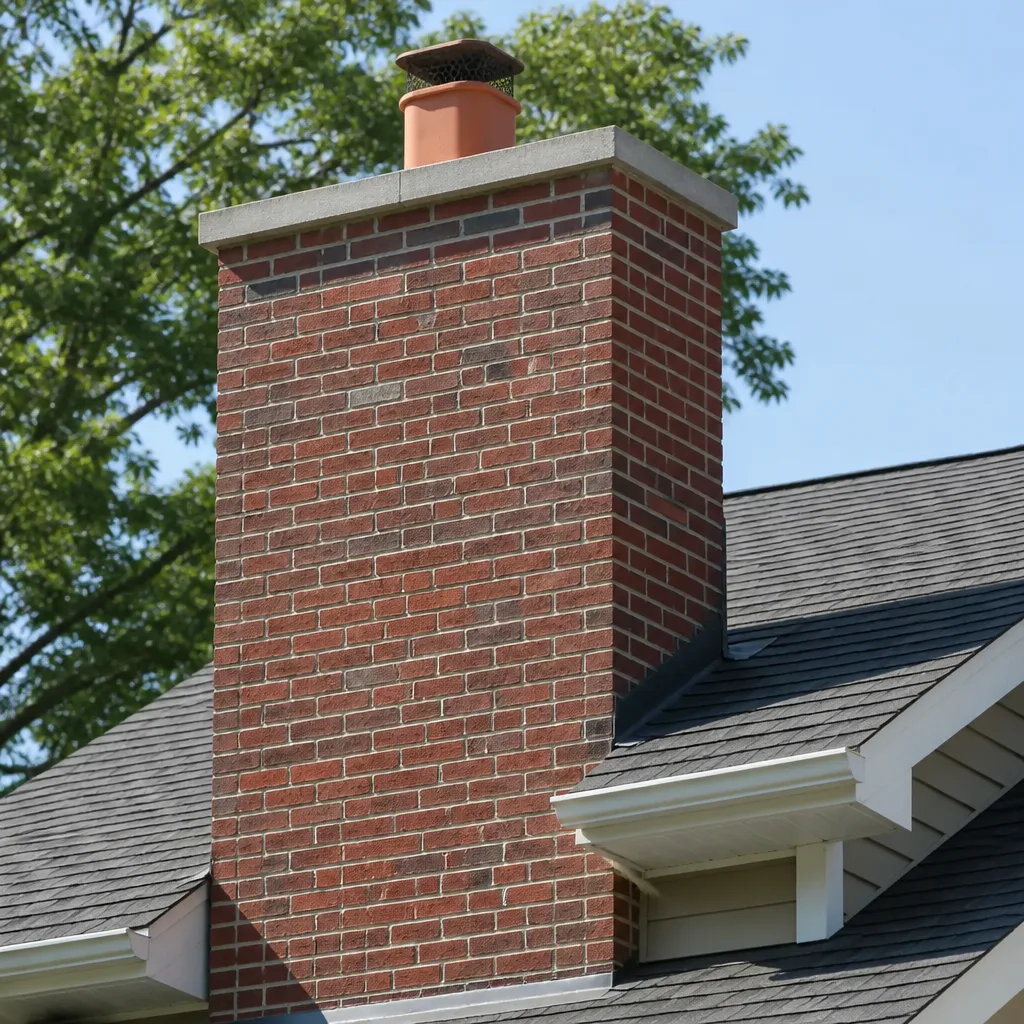
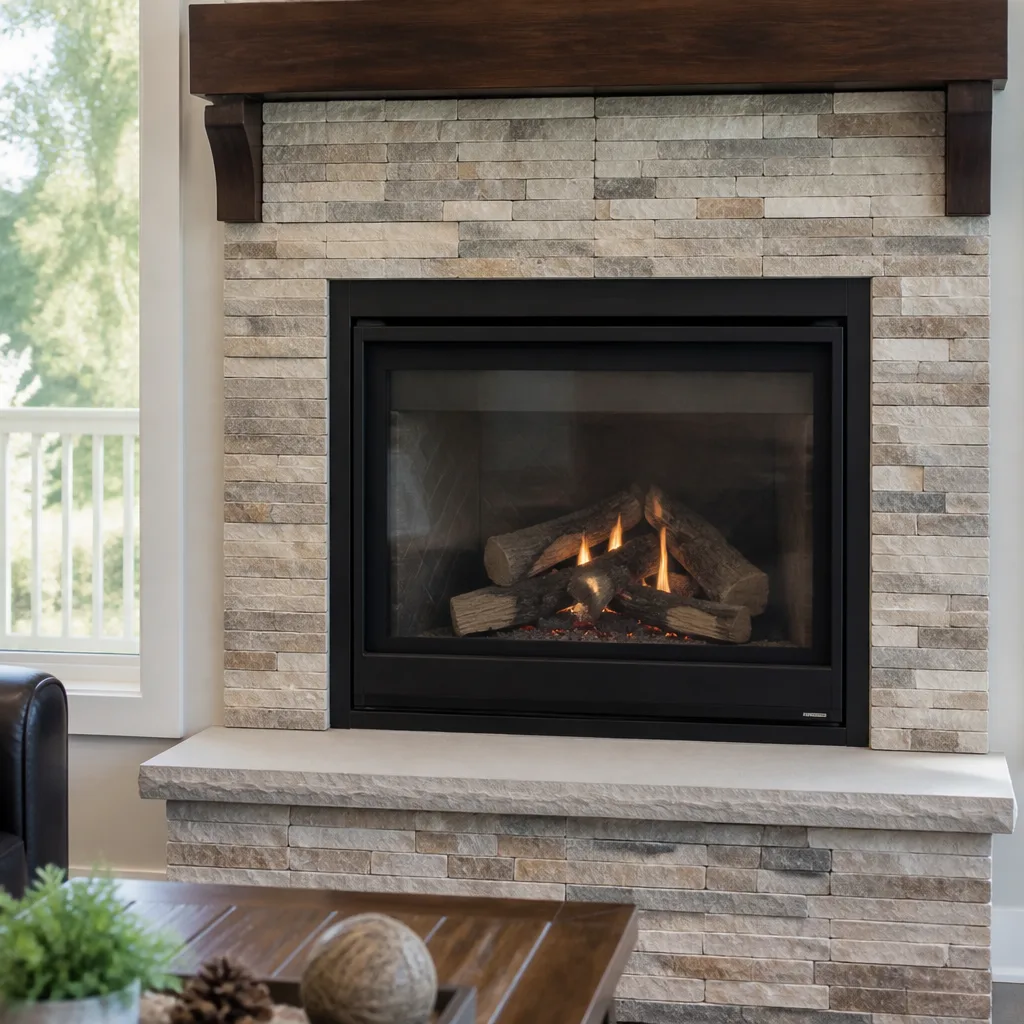
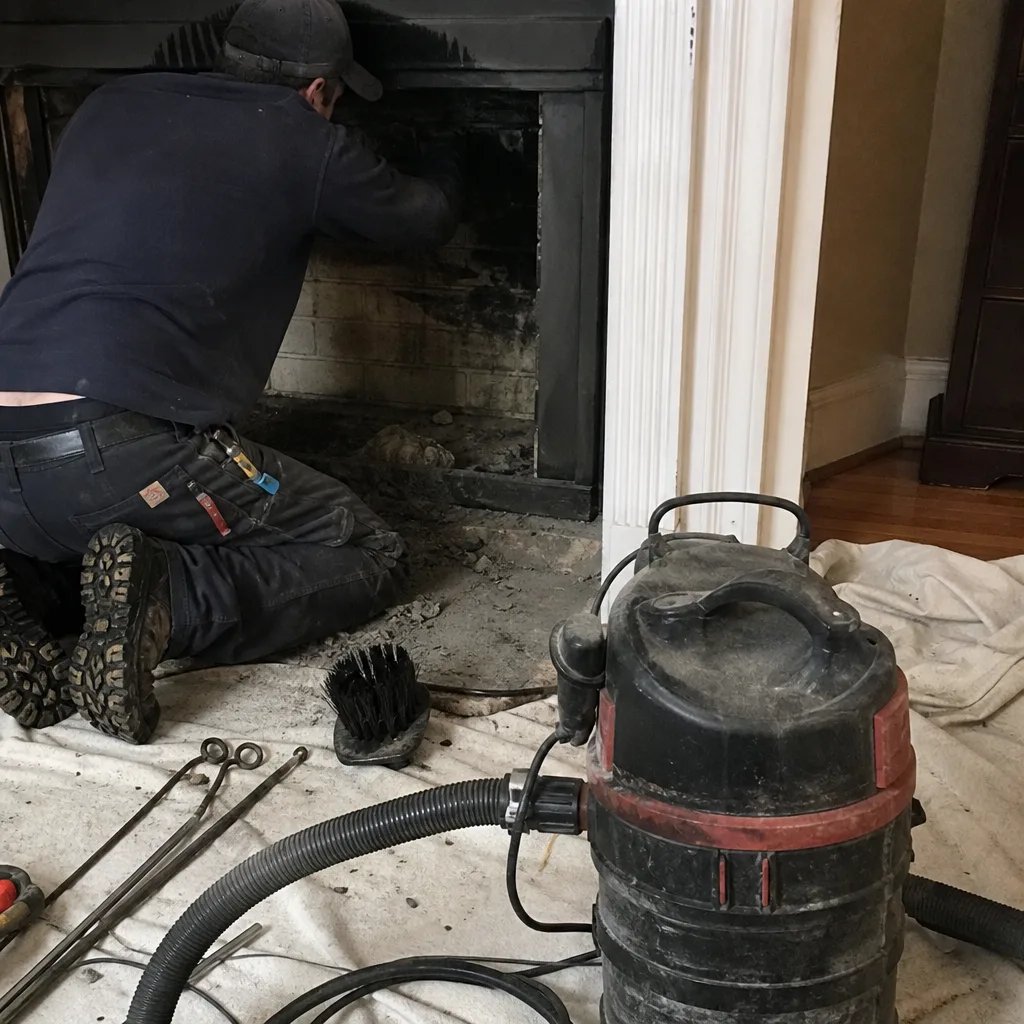 Before
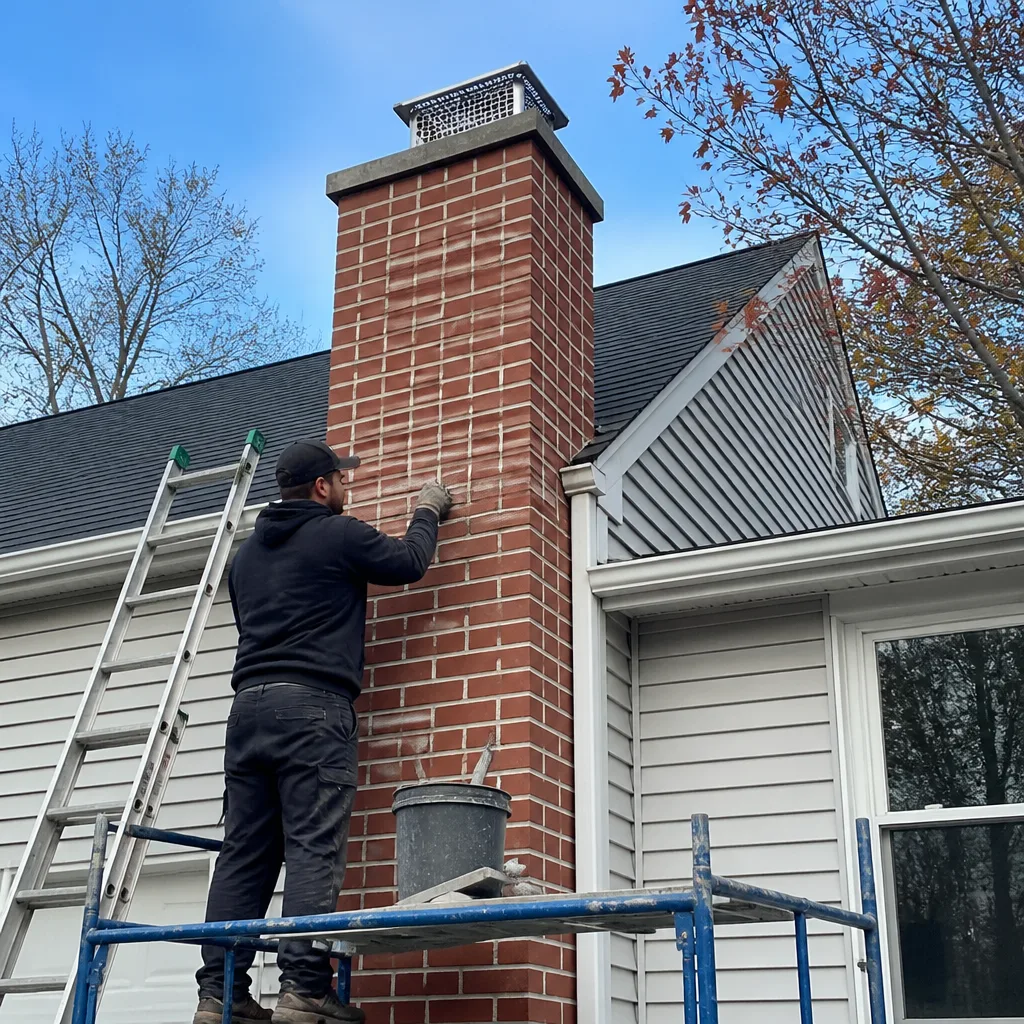 After
After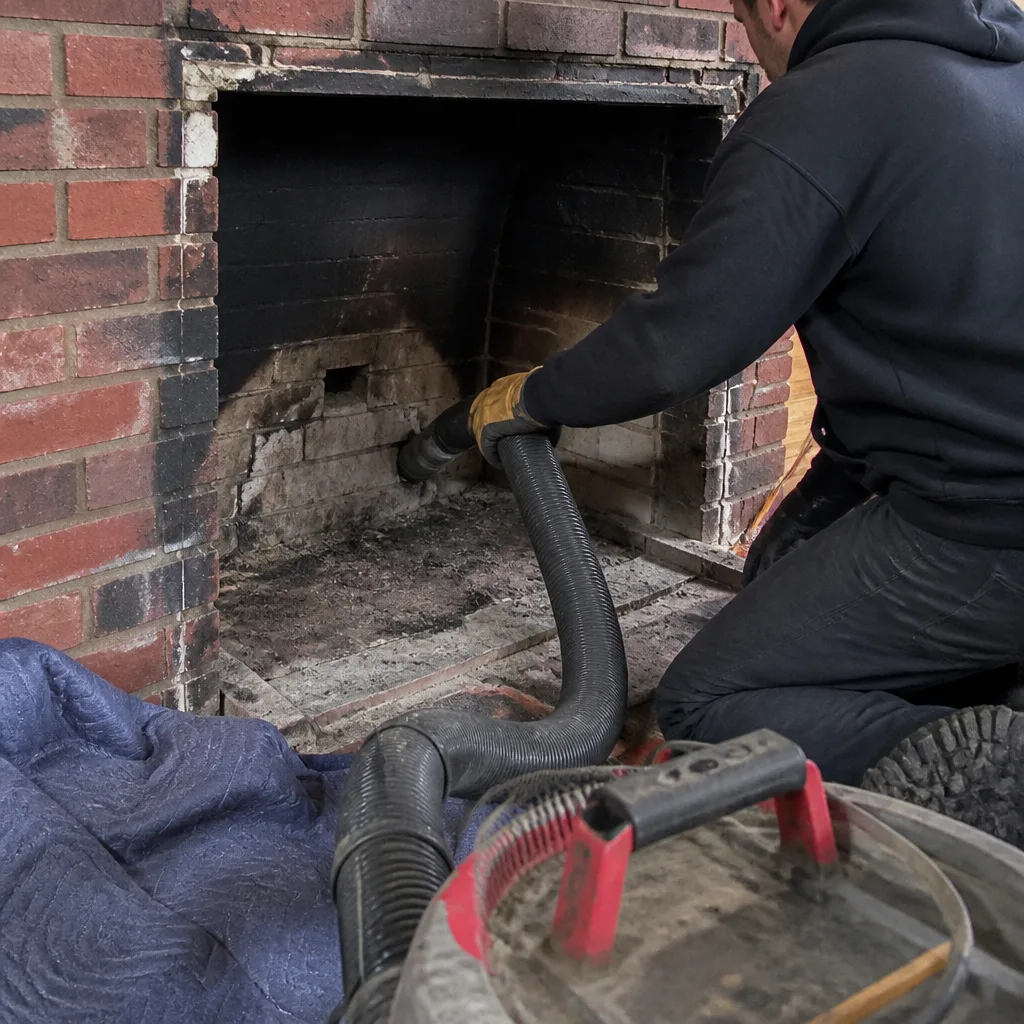 Before
 After
After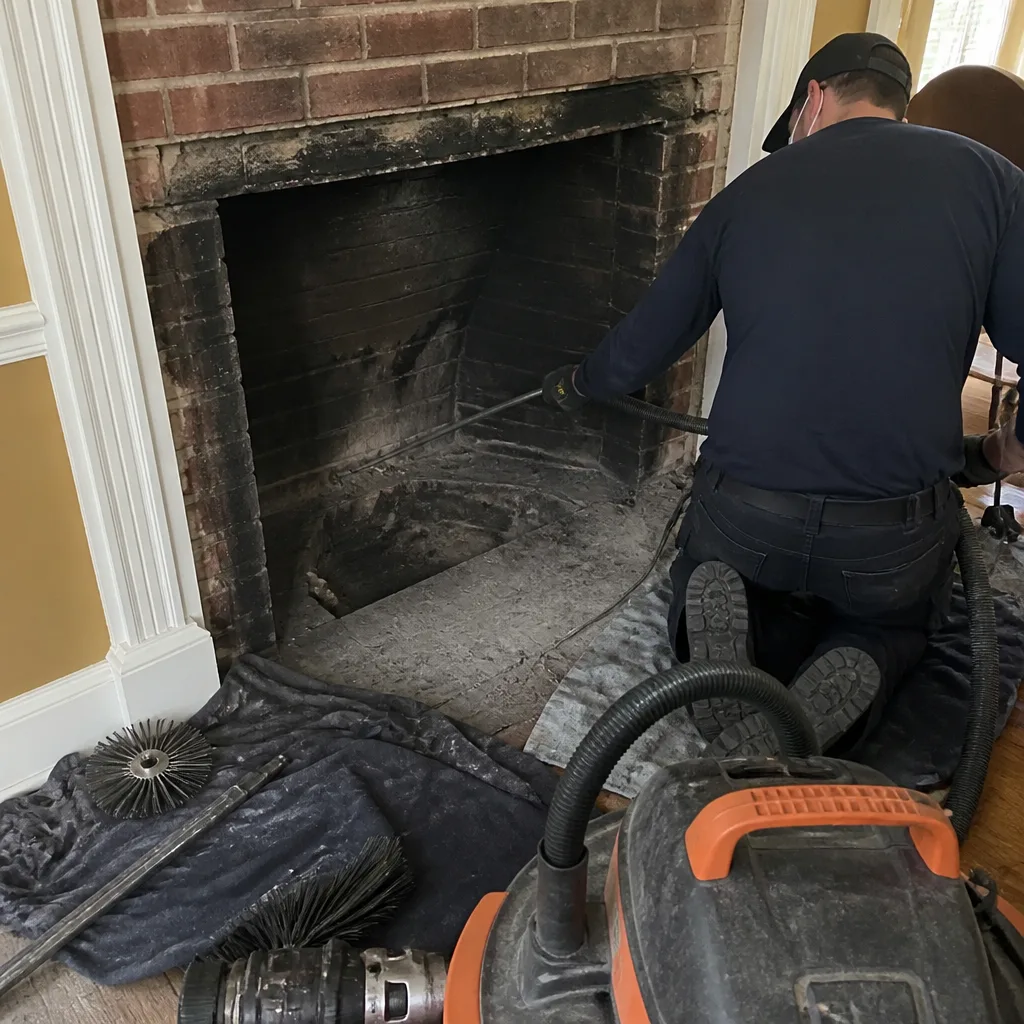 Before
 After
AfterHow to Hire a Chimney Cleaning Contractor in Framingham: A Step-by-Step Guide
Here’s a number that should make every Framingham homeowner pause: Massachusetts does not require chimney sweeps to hold a state-issued license. Registration with the state’s Home Improvement Contractor program is mandatory, but registration only proves the person filled out a form and paid a fee. It says nothing about whether they know the difference between first-degree creosote and a cracked flue tile. The result is an industry where a $49 coupon in your mailbox isn’t a deal. It’s the first line of a script that too often ends with a $1,200 “mandatory repair” estimate before the technician will leave your driveway. This guide will show you exactly how to filter out the trunk-slammers and find a sweep in Framingham who will tell you the truth, even when the truth is that your chimney doesn’t need anything but a good brushing. For more guides & resources, see our blog.
Quick Answer
To hire a chimney cleaning contractor in Framingham, verify their Massachusetts HIC registration number on the state database, ask for their CSIA certification number and liability insurance certificate, demand a written scope of work before any tools come off the truck, and never accept an estimate that changes after the technician arrives. The single strongest filter is choosing a locally owned, owner-operated sweep whose name, face, and license number are published, not a rotating national franchise technician.
Table of Contents
- Understanding the Massachusetts Chimney Industry
- Step 1: Verify Massachusetts HIC Registration in Under Two Minutes
- Step 2: Ask for Credentials Before You Book
- Step 3: Recognize the Bait-and-Switch Pricing Playbook
- Step 4: Understand Why “Locally Owned and Owner-Operated” Matters Honestly
- Step 5: Demand a Written Scope of Work Before Signing
- Step 6: Know What a Fair Sweep Should Cost in Framingham
- Step 7: Screen for Safety, Protocol, and Equipment
- Common Mistakes to Avoid
- When to Call a Professional
- Frequently Asked Questions
- The Bottom Line
Understanding the Massachusetts Chimney Industry
Massachusetts regulates home improvement contractors through the Office of Consumer Affairs and Business Regulation. A contractor doing chimney work in Framingham must hold a Home Improvement Contractor (HIC) registration. That registration number must appear on all advertising, contracts, and vehicles. But here’s what the state does not do: it does not test chimney sweeps on fire code, flue dynamics, creosote chemistry, or masonry repair. There is no Massachusetts chimney sweep license. Anyone with a truck, a brush, and $150 for the registration fee can legally call themselves a chimney professional.
That gap is why independent credentialing matters. The Chimney Safety Institute of America (CSIA) is the recognized certifying body for chimney sweeps in the United States. A CSIA-certified sweep has passed a written examination, completed documented field training, and committed to continuing education. It is the closest thing this trade has to a professional license.
In Framingham specifically, there’s another factor at play: housing stock. Much of this town was built between 1920 and 1980. Those chimneys were constructed with clay tile liners, not the stainless steel systems commonly installed today. Clay liners crack under the freeze-thaw cycles New England winters deliver year after year. A sweep working in Framingham needs to understand masonry chimneys built for wood stoves and open fireplaces, not just prefabricated metal flues in newer construction. That local knowledge matters more than most homeowners realize.
Your flue doesn’t care how the fire looks. It cares how it breathes. And in Framingham, between the wet autumns and the hard freezes, chimneys take a beating that a sweep from a warmer climate would never see.
Step 1: Verify Massachusetts HIC Registration in Under Two Minutes
Before you book anything, you can check a contractor’s standing with the Commonwealth in less time than it takes to make a cup of coffee. Here is the step-by-step process:
- Go to the Massachusetts Office of Consumer Affairs and Business Regulation website and find the “Check a Home Improvement Contractor” lookup tool. It’s linked directly from the HIC registration page.
- Enter either the contractor’s name or their HIC registration number. The number starts with “HIC” followed by digits.
- Read the result carefully. You’re looking for three things: the registration is active, the name on the registration matches the person or company you’re talking to, and there are no outstanding disciplinary actions or complaints listed.
- If the contractor is not in the database, or their registration is expired, or they refuse to give you the number, that’s the end of the conversation. You do not hire a contractor in Massachusetts who cannot prove they are legally registered to work.
Top Hat Chimney is registered with the Commonwealth and our HIC number is published on every page of our website and on every written estimate. Wendell Pike has worked the same communities since 1999, and his name is on the registration, the truck, and the invoice.
This step is not optional. It is the first filter. And it eliminates a significant percentage of the people running chimney cleaning ads in Framingham.
Step 2: Ask for Credentials Before You Book
Five questions separate a knowledgeable sweep from a salesperson with a brush. Most homeowners never think to ask any of them. Here they are, with the answers a qualified professional should give without hesitation.
Question 1: “What is your CSIA credential number?”
A sweep certified by the Chimney Safety Institute of America can give you their number immediately. You can verify it on the CSIA website. If the person on the phone hedges, says they’re “certified” without saying by whom, or pivots to talking about their experience, that’s an answer in itself.
Question 2: “Can I see your liability insurance certificate before you start?”
Every legitimate chimney company carries liability insurance. You have a right to see the certificate of insurance with your name listed as the certificate holder if you request it. A contractor who demurs, or says the office will email it but never does, is not someone you want working inside your chimney. If they damage your roof, your flue, or your living room, their insurance is your only protection.
Question 3: “How do you handle first-degree and third-degree creosote differently?”
This question works because it has a right answer. First-degree creosote is a flaky, brushable deposit. Third-degree creosote is a hard, glazed tar that builds up in layers. A knowledgeable sweep will explain that a standard wire brush handles first-degree, while third-degree often requires rotary chains or chemical treatment. A salesperson will say something vague about “deep cleaning.” First-degree creosote is a brush job. Third-degree is a glaze. Catch it early.
Question 4: “Will you show me the camera footage before recommending any repair?”
A modern chimney company runs a camera inspection as part of an evaluation. The footage is the evidence. A sweep who recommends a $3,000 liner replacement without showing you video of the cracked tile or rusted-through metal is asking you to take their word for something you can see with your own eyes. The honest answer to this question is yes, always. At Top Hat Chimney, the camera footage and a plain-English verdict come with every job, no exceptions.
Question 5: “Who actually shows up at my door?”
If the company cannot tell you the name of the person who will arrive, you are hiring a dispatch system, not a contractor. National franchises rotate technicians through territories. The person who shows up at your Framingham home may have driven up from another county and may never be seen again. An owner-operated company can tell you exactly who is coming, and that person’s name is on the invoice when the job is done.
Step 3: Recognize the Bait-and-Switch Pricing Playbook
The $49 chimney sweep coupon is the most effective lead generation tool in the home service industry. Here’s how it works, in the order it happens.
- The coupon arrives in the mail. $49 for a full chimney cleaning. Certification, inspection, satisfaction guarantee. It sounds like a deal.
- You call and book. The receptionist confirms the price. $49, plus tax. See you Tuesday.
- A technician arrives in a branded truck. He is wearing a uniform. He is polite. He sets up drop cloths and a vacuum. He looks professional.
- Within the first thirty minutes, he comes down from the roof or pulls his head out of the firebox and asks you to step over. “I need to show you something.”
- What he shows you is a cracked flue tile, or what he says is water damage, or what he claims is “excessive creosote that poses a fire risk.” The recommendation is urgent. The price is significant. $1,200. $2,800. More.
- And here’s the pressure point: he tells you it’s unsafe to burn until it’s fixed, and conveniently, he can do it right now, today, with parts from his truck.
The language that signals you’re in this script is consistent. Listen for “mandatory,” “unsafe to use,” “today only,” “we have the part on the truck,” and “if I were you, I wouldn’t burn another fire until this is addressed.” None of those phrases are inherently wrong. Sometimes a chimney genuinely is unsafe. But a legitimate company proves it. With photographs. With camera footage. With a written report. And a legitimate company tells you when the repair can safely wait, which is at least as often as they tell you it can’t.
Once a year, burn or no burn. Chimneys break in the off-season too. That’s the maintenance reality. It is never a reason to accept a pressure sale.
Step 4: Understand Why “Locally Owned and Owner-Owned” Matters Honestly
Some version of “locally owned and operated” appears on every contractor’s website in Framingham. It has become a meaningless phrase. But when it’s true, it changes the economics of the entire transaction. Here is what local ownership actually means in practice.
First, accountability. A franchise technician with a bad week in Framingham is reassigned or rotated out. There is no consequence for a rushed job. An owner-operator lives in the community. His kids play in the same soccer league as yours. He runs into you at the hardware store on Saturday. If a job goes wrong, it goes wrong for someone he knows. Ask anyone on your street. They already know which local contractors stand behind their work because they have seen it.
Second, continuity. When a national chain loses a franchisee or changes territories, the person who serviced your chimney last year is gone. Your service history leaves with him. An owner-operated company keeps records. Wendell knows what he saw in your flue five years ago because he was the one in the flue five years ago. That continuity means the sweep understands whether a hairline crack is new or has been stable for a decade, which changes the recommendation entirely.
Third, pricing integrity. A franchise technician has a supervisor, a quota, and a corporate office demanding revenue growth. An owner-operator answers to no one but the person standing in front of him. At Top Hat Chimney, the number you hear on the phone is the number on the invoice. No-hassle upfront pricing before a single tool comes off the truck. That’s not a marketing slogan. It’s what happens when the person quoting the price is the same person doing the work and signing the invoice.
Fourth, you can verify the person. Wendell puts his name on the work. His license number is published. His address is published. If something goes wrong, you don’t call a toll-free number and wait on hold. You call the number on the truck and a live person answers, around the clock. It may well be Wendell himself picking up.
Step 5: Demand a Written Scope of Work Before Signing
The single most important document in the entire process is the written scope of work. It is not the same as an invoice. It is not the same as a verbal quote. It is a plain-language document that specifies exactly what will be done, how it will be done, what it costs, and what happens if something changes. Before you sign anything in Framingham, the scope of work should include, at minimum, these items:
- A clear description of the service. “Chimney sweep and Level 1 inspection of one masonry fireplace with clay tile liner” is a scope. “Chimney cleaning” is not.
- The exact price. Not a range. Not an estimate. The number you will pay if nothing changes. If the contractor says they don’t know until they start, find a contractor who does.
- The tools and methods to be used. Rotary brush, hand brush, HEPA vacuum, camera inspection. Sweeps do not use secret methods. A professional will tell you exactly how they plan to work.
- What is included in the inspection. A Level 1 inspection covers the accessible portions of the flue. A Level 2 inspection uses camera equipment. The scope should state which one you’re getting and whether the camera report is included in the price or billed separately.
- Disclosure of what is not included. If a cracked tile is discovered, what happens? The scope should state that any repair recommendation will be submitted in writing with photographic evidence and a separate quote. It should also state that no repair work will begin without your written approval.
- Start and completion dates. A one-day chimney sweep should be a one-day job. If the contractor cannot tell you when they will arrive and when they will finish, you don’t have a schedule, you have a hope.
- Warranty language. What happens if the work is not done right? At Top Hat Chimney, every completed job is backed by a 90-Day Done Right Promise. If the work is not right, one call brings the crew back at no additional cost. That promise is in writing, on every single job.
- The contractor’s HIC registration number. If it is not on the written document, that’s a violation of Massachusetts law, and it tells you something about how seriously this contractor takes the rules.
A written scope of work protects you from the bait-and-switch in two ways. First, it locks the price before the technician arrives. Second, it gives you a physical document to compare against the work actually performed. If the scope says “brush and vacuum” and the technician spent twenty minutes trying to sell you a liner, you have grounds to stop the job and refuse payment for anything beyond the original scope.
Step 6: Know What a Fair Sweep Should Cost in Framingham
Chimney cleaning prices in Framingham vary more than they should, and that variance was the first clue that the market was broken. See our Chimney Cleaning Cost Breakdown: The Framingham Homeowner’s Reference for 2026 for full pricing details. Here’s what a straightforward sweep of a standard open fireplace with a clay liner typically costs in this area, based on what we have seen across two decades of service in Middlesex County.
| Service | Typical Framingham Range | What It Includes |
|---|---|---|
| Chimney sweep, standard fireplace, Level 1 | $180 - $300 | Brush and vacuum cleaning, accessible visual inspection, light creosote removal |
| Chimney sweep, wood stove, Level 1 | $200 - $350 | Stove pipe removal and cleaning, flue brushing, ash disposal |
| Level 2 camera inspection | $150 - $400 | Full camera scan of the entire flue with video and written report |
| Third-degree creosote removal (glaze) | $500 - $1,200 | Rotary chain or chemical treatment to remove hardened glaze; sometimes multiple visits |
| Chimney cap supply and install | $250 - $600 | Cap sized to flue, installation by the same crew, hardware included |
| Stainless steel liner (with insulation) | $3,000 - $6,500 | Full liner install, including demolition of old clay tiles where required |
These numbers assume a typical single-story chimney with a straight flue run. Multi-story homes, steep roof pitches, and chimneys with offset flues push toward the higher end or beyond. If someone in Framingham quotes you $49 for a full sweep, you’re not buying a sweep. You’re buying the opening act to a sales presentation.
Top Hat Chimney works with trusted industry brands including DuraFlex, HeatShield, and Copperfield. Products from these manufacturers are repairable, warrantied, and well-documented. If a contractor quotes you a liner from a brand no one has heard of, ask why.
Step 7: Screen for Safety, Protocol, and Equipment
The safety practices and equipment a contractor uses tell you more about their professionalism than any marketing claim. Here is what to look for in Framingham before and during the job.
Drop cloths and dust control. A professional chimney sweep never works without protecting your floors and hearth. The crew should lay down canvas or plastic drop cloths from the front door to the fireplace before any equipment leaves the truck. If the technician walks into your living room with a brush in one hand and nothing to protect the floor in the other, that’s a red flag.
A proper HEPA vacuum. Professional chimney cleaning uses a vacuum rated for fine particulate capture. A shop vacuum from the hardware store, the kind you use to clean your car, does not have the filtration to handle creosote dust safely. The vacuum should be running before the brushing begins.
Roof safety equipment. If the job requires roof access, the sweep should arrive with the equipment to do it safely: a harness where pitch dictates, roof ladders with standoffs, and proper footwear. A technician balancing on your ridge line in sneakers is not a professional, and he is one slip away from becoming your liability.
Uniform, identification, and cleanliness. The crew should arrive in uniform, with the company name visible. They should introduce themselves by name. This is the practical difference between a company that runs background-checked employees and one that picks up day labor at the Framingham Home Depot parking lot.
A real arrival window. The technician should give you a window, and if the job before yours runs long, someone should call you. No-hassle pricing begins with no-hassle communication. A contractor who is forty-five minutes late and never calls has told you exactly how seriously he takes his agreements.
Top Hat Chimney’s technicians are background-checked, uniformed, and they give you a real arrival window and call if it slips. That’s the floor, not the ceiling.
Common Mistakes to Avoid
- Hiring on price alone. A $49 coupon for a chimney sweep in Framingham is the most expensive chimney cleaning you will ever buy, because the sweep is not the product. The repair estimate is the product.
- Skipping the registration check. Massachusetts makes it easy to verify an HIC registration online. If you don’t check, you’re hiring on faith in an industry where registration is the only legal gatekeeping that exists.
- Accepting a verbal estimate. If the price isn’t in writing before the work begins, the price can become anything. Verbal agreements are worth the paper they’re printed on.
- Approving a repair without camera evidence. In the era of affordable inspection cameras, there is no legitimate reason for a sweep to recommend a liner replacement or masonry repair without showing you the footage. If they can’t show you the problem, there may not be a problem.
- Assuming the fireplace is fine because it worked last winter. Chimneys deteriorate. Creosote builds. Animals nest. A fireplace that worked fine in February can become a fire hazard by October without any visible change from the living room.
- Skipping the off-season sweep. Once a year, burn or no burn. Chimneys break in the off-season too. The best time to call a sweep in Framingham is late summer, before the burning season begins and when the schedule is still open.
- Not asking who will be on the job. If the person quoting the job is not the person doing the job, ask questions. A company that won’t tell you who is coming is a company that doesn’t want you to know.
When to Call a Professional
Chimney sweeping is not a DIY job. The tools are cheap, but the stakes are high. Here are the specific situations in Framingham where you should not think twice about calling a professional.
You smell a campfire odor in the house during the summer, when no fires have burned for months. That’s accumulated creosote off-gassing on humid days, and it means the flue needs cleaning. You hear scratching, fluttering, or cheeping from inside the chimney. That’s wildlife, and removing it safely requires someone who knows how to get an animal out without caving in a flue tile. You see white staining on the outside of the chimney brick near the roofline. That’s efflorescence, a sign of water penetration, and it needs a chimney contractor, not a handyman. You notice pieces of flue tile at the bottom of the firebox after a storm. That’s a warning sign of liner failure. You have not had the chimney swept in more than two years despite regular burning.
Top Hat Chimney offers free estimates in Framingham. Call (781) 390-9211 and a live person will answer, around the clock.
Frequently Asked Questions
A standard chimney sweep for an open fireplace in Framingham typically costs between $180 and $300 for a Level 1 inspection and basic brushing. Wood stove installations run closer to $200 to $350 because the stove pipe must be removed. Third-degree creosote removal, camera inspections, and liner work are additional and priced separately. For an exact quote, call (781) 390-9211. Estimates are free, and the number you hear on the phone is the number on the invoice.
Massachusetts requires home improvement contractors, including chimney sweeps, to hold an active HIC registration. For regulatory details, see Chimney Cleaning Permits, Codes & Inspections in MA: What You Need to Know. You can verify a contractor’s number on the Office of Consumer Affairs website using the “Check a Home Improvement Contractor” tool. Enter the name or HIC number and confirm the registration is active, the name matches, and no disciplinary actions appear. The entire process takes under two minutes.
The Chimney Safety Institute of America recommends a sweep once per year for any chimney in active use, regardless of fuel type. In Framingham, that annual schedule also gives the sweep a chance to catch freeze-thaw damage to clay tile liners before the burning season begins. A chimney that sees only occasional fires still accumulates creosote and should still be swept annually. Once a year, burn or no burn.
A Level 1 inspection covers the accessible portions of the chimney and firebox, using a flashlight and visual assessment. It’s appropriate when nothing about the system has changed since the last sweep. A Level 2 inspection uses a camera to examine the entire flue from top to bottom. It’s required after a chimney fire, when a home is being sold, or when a new appliance is installed. At Top Hat Chimney, the camera footage and a plain-English verdict come with every job, no exceptions.
Not necessarily. Hairline cracks in clay tile liners are common in older Framingham homes and do not always require immediate replacement. Before you approve a liner job, ask to see the camera footage showing the specific damage. If the crack is stable and shallow, the sweep may recommend monitoring it annually rather than replacing it now. A legitimate contractor will tell you plainly when work can safely wait. If the technician is insistent that you decide today, that’s a pressure tactic, not a professional recommendation. For a free second opinion on any written estimate, call (781) 390-9211.
Yes. Top Hat Chimney serves the entire Framingham area, including Saxonville, Nobscot, Pinefield, and the downtown neighborhoods around Route 9 and Route 126. We have worked the same communities since 1999. Our service area covers Middlesex County, and there is no trip charge for calls inside our own service county.
Creosote accumulates in layers. First-degree creosote is a flaky deposit that brushes away easily. By third-degree, it has glazed into a hard, tar-like coating that requires rotary equipment or chemical treatment to remove, at a higher cost. In the worst case, accumulated creosote ignites into a chimney fire, which can crack flue tiles, damage the chimney structure, and spread to the house. The risk increases each year you skip. Call (781) 390-9211 and we’ll get you on the schedule. Estimates are free.
The Bottom Line
Hiring a chimney cleaning contractor in Framingham comes down to five disciplines: verify the Massachusetts HIC registration, ask for CSIA certification and insurance documentation, recognize bait-and-switch pricing for what it is, demand a written scope of work before signing, and choose a locally owned company whose owner’s name you can verify and whose face you will see again in town. The cheapest sweep is almost never the cheapest, and the most expensive is not necessarily the best. The right contractor is the one who can prove what he is claiming, in writing, with evidence, before you pay a cent. That’s the standard. Don’t settle for less. If you’re looking for Top Hat Chimney home for more on who we are, visit our full home page. For details on our core service, see Chimney Cleaning & Sweep in Framingham. If you suspect damage beyond a cleaning, our Chimney Repair in Framingham page covers what we fix and how we price it. And for wood stoves, inserts, and full installations, see Fireplace Services in Framingham. Call (781) 390-9211 for a free estimate, any hour, any day. A live person will answer.
Written by Wendell Pike, Owner at Top Hat Chimney, serving Framingham since 1999.