
Last updated September 10, 2026
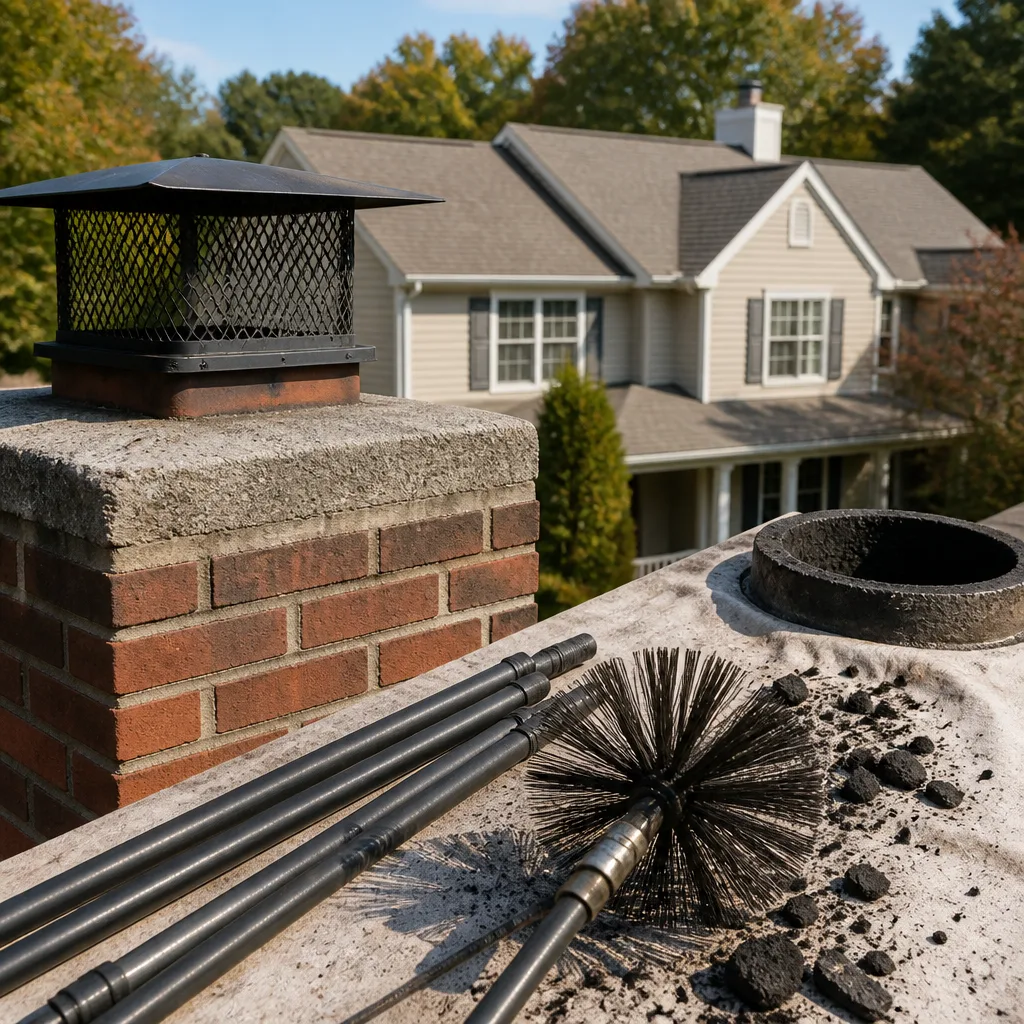
Level 1 sweep and inspection to the NFPA 211 annual standard - flue, crown, cap, and flashing checked and photographed
Chimney sweep logs do not sweep chimneys. They loosen some creosote - which then falls where a brush and vacuum still have to collect it.
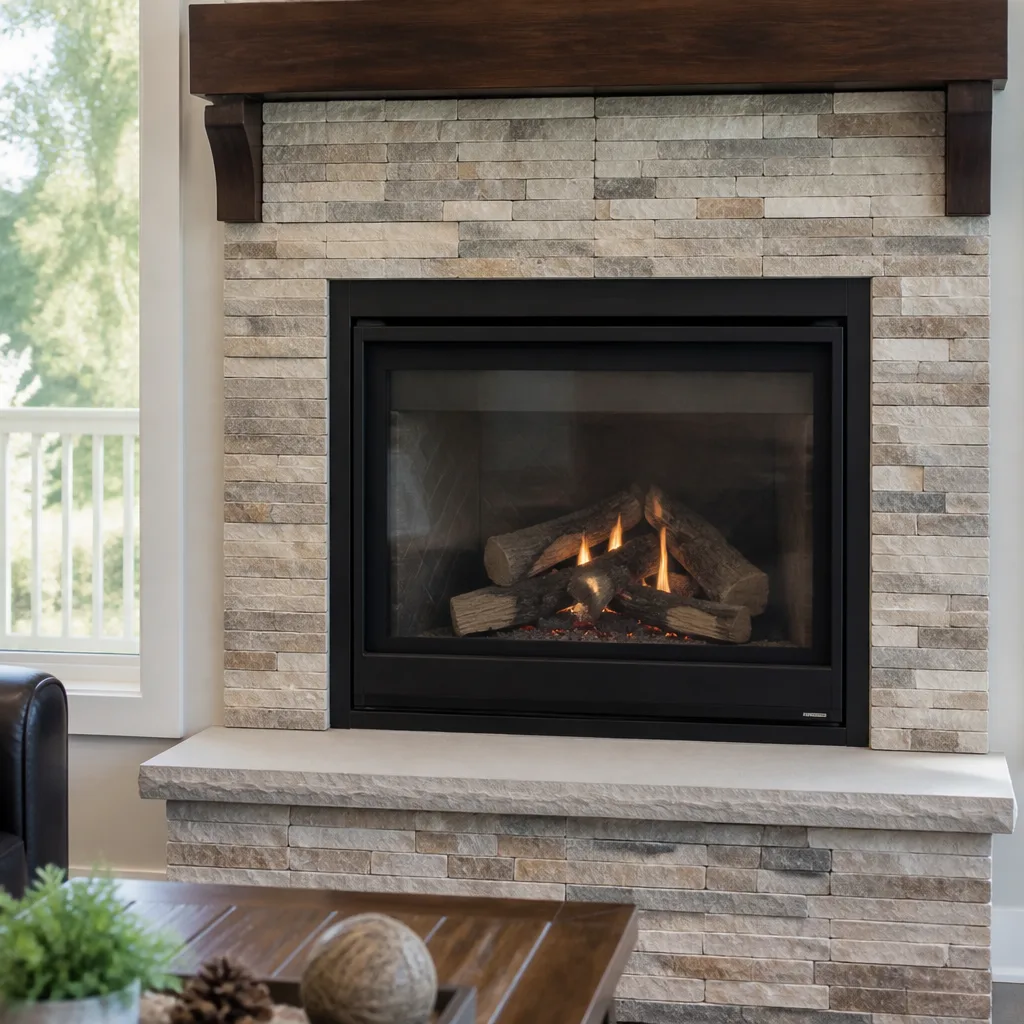
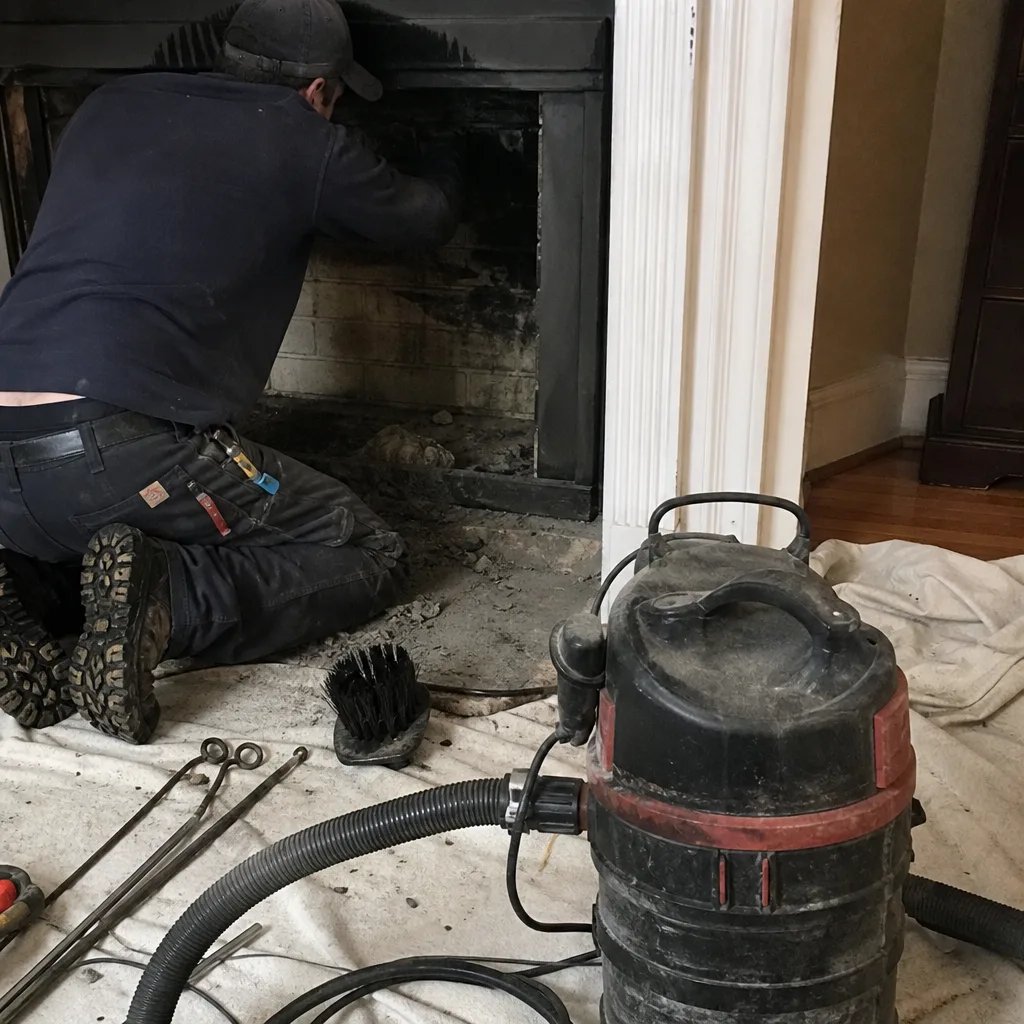 Before
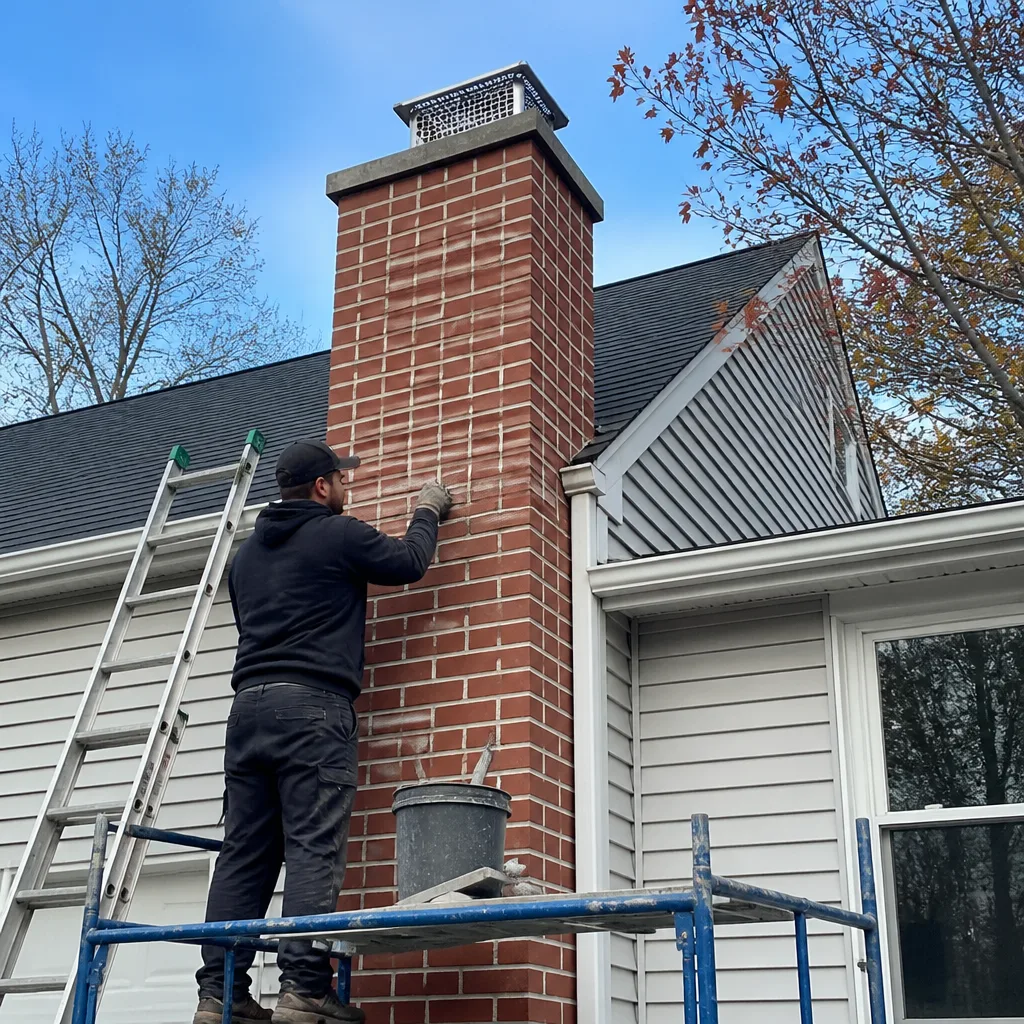 After
After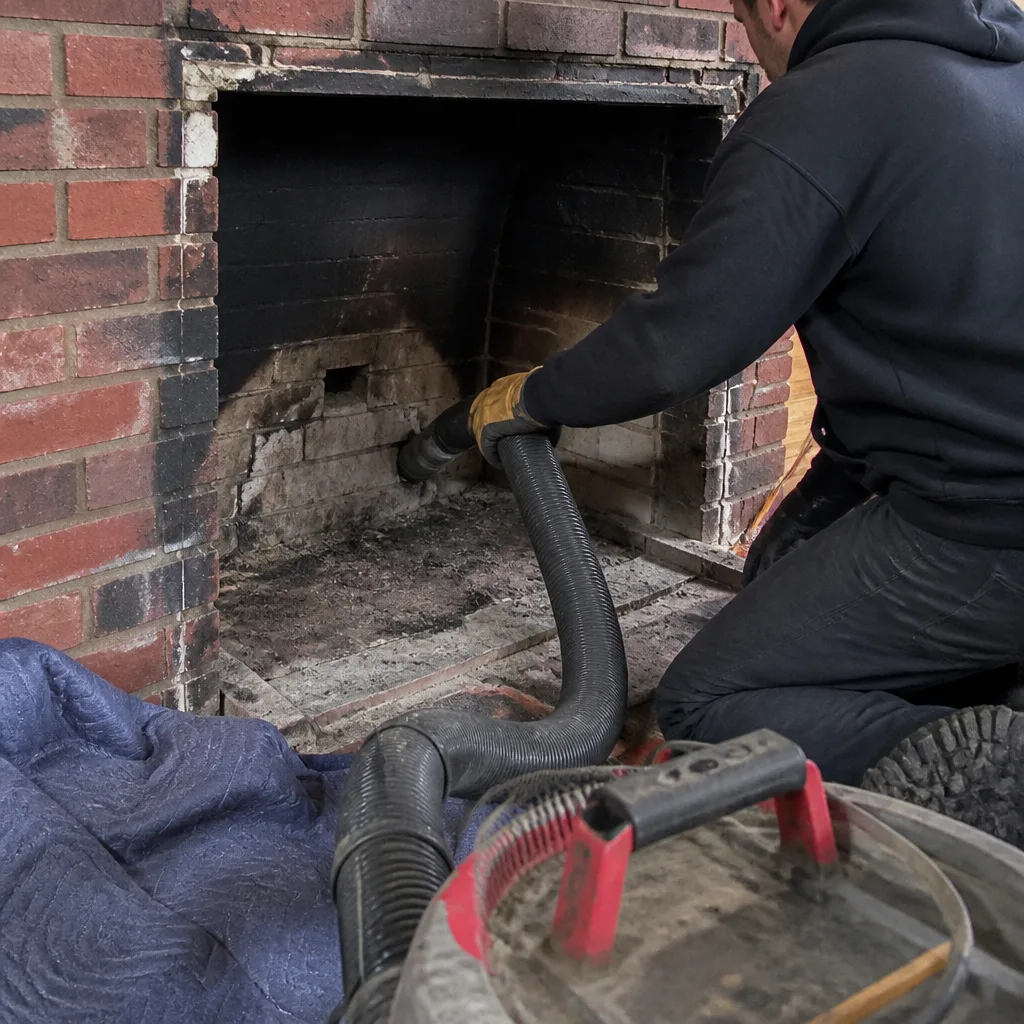 Before
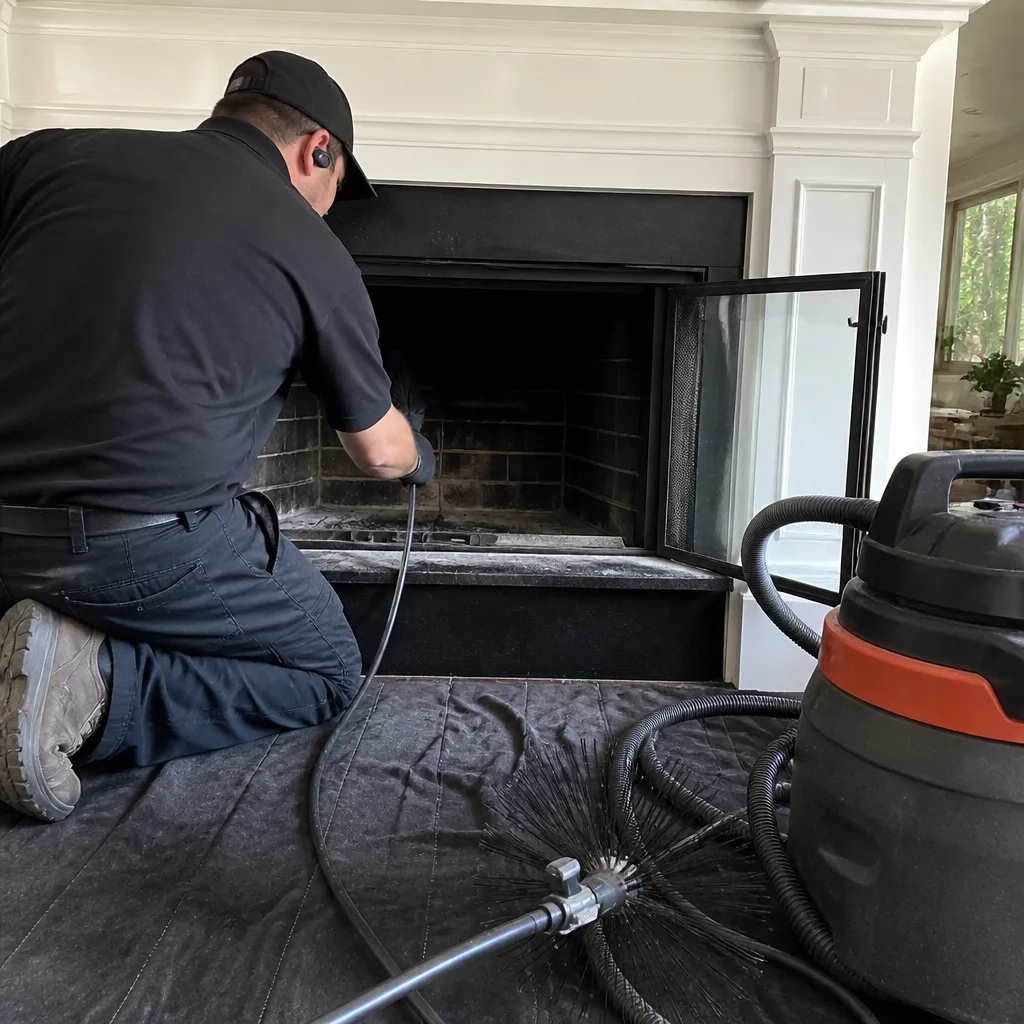 After
After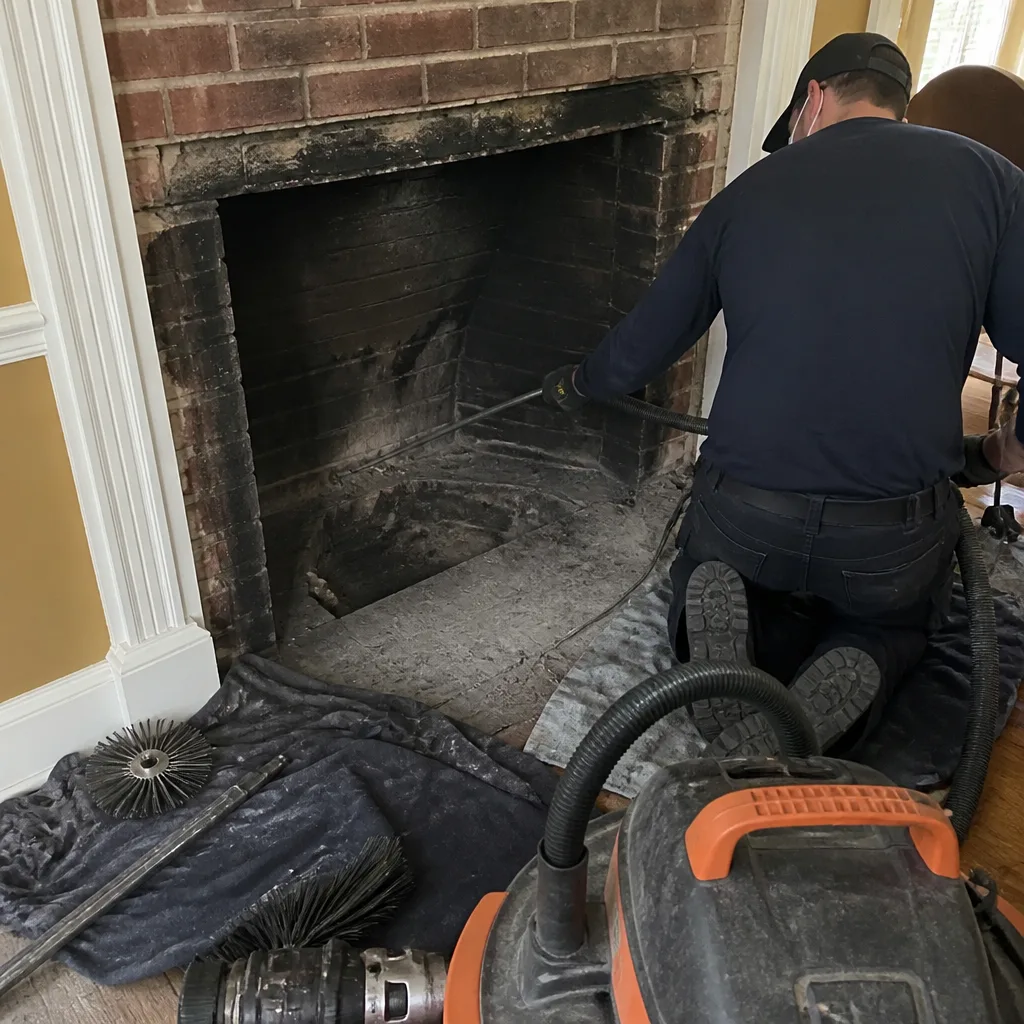 Before
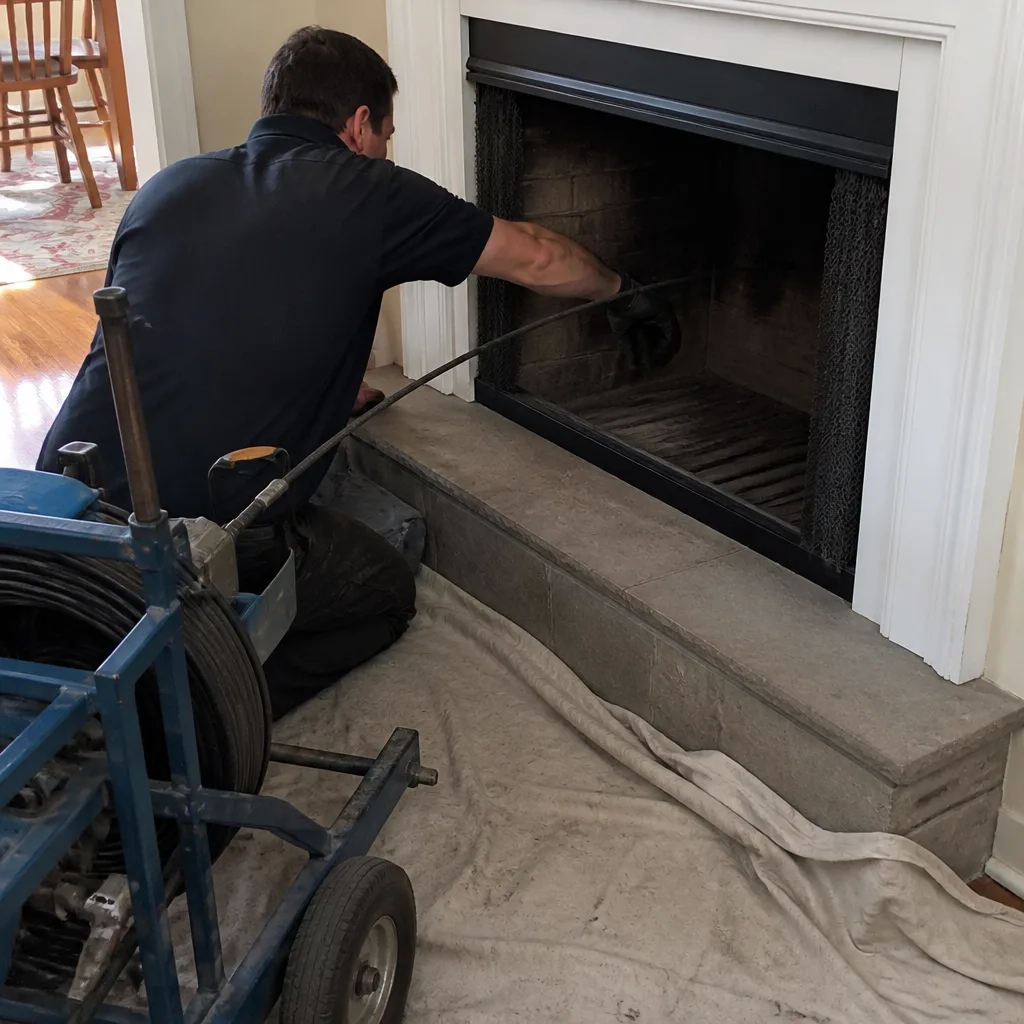 After
AfterChimney Cleaning Permits, Codes & Inspections in MA: What You Need to Know
In 25 years I’ve never pulled a permit to sweep a flue. Not once. But I’ve watched plenty of homeowners in Framingham get stuck with unpermitted liner installations they didn’t know required one, and found out about it at closing when the buyer’s home inspector flagged the missing paperwork. This guide walks you through exactly what needs a permit in Massachusetts, what doesn’t, what inspectors actually look at, and what documentation you should keep in a folder somewhere safe. For the complete guide to chimney cleaning in Framingham, see our dedicated resource. It’s the stuff most people only learn after it costs them money.
Quick Answer
Chimney cleaning and routine sweeping do not require a permit anywhere in Massachusetts. However, most structural repairs, liner replacements, and fireplace-to-gas-insert conversions do require a building permit under 780 CMR, and that permit must be pulled by a licensed contractor, not the homeowner. The inspection afterward usually takes 30 to 60 minutes and is straightforward if the work was done to NFPA 211 standards.
Table of Contents
- Do You Need a Permit to Clean a Chimney in Massachusetts?
- What Chimney Work Actually Triggers a Permit Under 780 CMR
- NFPA 211: The Standard Massachusetts Inspectors Actually Reference
- The Framingham Building Department’s Role in Chimney Work
- Gas Inserts Replacing Wood Fireplaces: The Liner Requirement Nobody Mentions
- What Documentation to Keep After Permitted Chimney Work
- Common Mistakes to Avoid
- When to Call a Professional
- Frequently Asked Questions
- The Bottom Line
Do You Need a Permit to Clean a Chimney in Massachusetts?
No. A routine chimney sweeping, where a brush goes up the flue and the creosote comes down, has never required a permit in Massachusetts in the 29 years we’ve been doing this. The state’s building code, 780 CMR, treats cleaning as maintenance, not construction. You don’t need permission to maintain something that already exists. The same goes for a standard Level 1 chimney inspection, which is what most sweeps include with a cleaning: a visual check of the accessible portions of the chimney interior and exterior.
What does start to move toward permit territory is anything that changes the structure or the function of the chimney. If the sweep finds a cracked flue tile and recommends a stainless steel liner, that’s a repair, and in most Massachusetts towns, that’s permitted work. If the sweep finds a deteriorated crown and a mason rebuilds it, that’s also permitted work in many jurisdictions. The cleaning itself? No permit, no inspection, no paperwork. It’s the discoveries made during the cleaning that lead to permit conversations. Learn to spot trouble early with our chimney cleaning warning signs: a Framingham homeowner’s reference guide.
One thing worth knowing: in Framingham specifically, we’ve seen the Building Department take a measured approach. They’re not looking to make life hard for homeowners who are trying to do the right thing. But they do care about unpermitted liners, because a liner installed wrong is a fire hazard that affects the whole neighborhood, not just the one house. That’s the lens inspectors use. It’s not bureaucracy for its own sake.
What Chimney Work Actually Triggers a Permit Under 780 CMR
Massachusetts operates under the International Residential Code with state amendments, collectively known as 780 CMR. Under that code, a building permit is required for any work that involves “the repair, alteration, or reconstruction” of a chimney’s structural components. Here’s the practical breakdown we’ve learned from years of working with local inspectors:
Work that typically requires a permit:
- Stainless steel liner installation - This is the biggest one. When a flue liner is cracked, deteriorated, or missing entirely, the fix is usually a new liner. In Framingham and across MA, that’s a permit job.
- Flue tile replacement - If sections of the original clay tile need to be removed and new ones mortared in place, that’s structural work.
- Chimney rebuild - Any rebuild from the roofline up, or a full teardown and reconstruction, definitely requires a permit.
- Crown replacement - A new concrete or steel crown is structural. In many towns, this triggers a permit.
- Firebox reconstruction - If the firebrick inside the firebox is so deteriorated that the whole box needs to be rebuilt, that’s permitted work.
- Gas insert installation with a new liner - Converting a wood-burning fireplace to gas often requires a liner sized for gas, and that liner installation is permit work.
Work that typically does NOT require a permit:
- Chimney sweeping and cleaning - Maintenance, not construction.
- Chimney cap installation - A cap mounts on top of the flue and doesn’t change the structure. No permit needed in most towns, including Framingham.
- Minor crown sealing - Patching hairline cracks with a flexible sealant, as opposed to full crown replacement, is usually considered maintenance.
- Damper repair or replacement - The damper sits inside the flue and its replacement doesn’t alter the chimney structure.
- Waterproofing the exterior brick - Applying a breathable water repellent is maintenance.
The line that trips people up is “replacement versus repair.” A repair patches what’s there. A replacement takes it out and puts in something new. Under 780 CMR, replacement is the trigger. If a mason pulls off a cracked crown and pours a new one, that’s a replacement. If he patches the crack with sealant, that’s a repair. The distinction seems small on paper and matters a lot at closing time.
NFPA 211: The Standard Massachusetts Inspectors Actually Reference
When a Framingham building inspector comes to look at chimney work, the code they’re technically enforcing is 780 CMR. But the standard they’re actually measuring against, paragraph by paragraph, is NFPA 211, the National Fire Protection Association’s standard for chimneys, fireplaces, vents, and solid fuel burning appliances. This is the document that defines what a correctly installed chimney looks like.
Here’s what NFPA 211 means in practical terms:
- Chimney height - The chimney must extend at least 3 feet above the point where it passes through the roof, and at least 2 feet higher than any part of the building within 10 horizontal feet. This matters in Framingham neighborhoods where roof additions and dormers can change the calculation.
- Clearances - Combustible materials must be kept at least 2 inches away from the exterior of a masonry chimney. For factory-built chimneys, the manufacturer’s listed clearance applies, usually 2 inches.
- Liner sizing - The liner must be sized to the appliance it serves. A liner that’s too large cools the flue gases, increases creosote buildup, and reduces draft. A liner that’s too small restricts the appliance. NFPA 211 gives the tables for matching liner diameter to appliance BTU output.
- Appliance connections - The connector pipe between a wood stove and the chimney must extend no farther into the flue than the inner face of the liner, and must be screwed together with at least three fasteners per joint.
We’ve been inside chimneys all over Framingham and the surrounding towns, and we can tell you that most older homes here were built to codes that were looser than what NFPA 211 requires today. A chimney built in 1962 may have a clay liner that was fine then but doesn’t have the clearance from combustible sheathing that current code demands. When work is done on that chimney, the inspector may require bringing the existing condition up to current standard, not just the repaired portion. That’s a conversation worth having before the work starts, not after the inspection fails.
Works with trusted industry brands like Top Hat Chimney home has installed HeatShield liners in more Framingham houses than we can count, and the certification paperwork from the manufacturer is part of what gets filed with the permit. Mentioning the brand matters because some inspectors know which lining systems have passed UL testing and which haven’t.
The Framingham Building Department’s Role in Chimney Work
The Framingham Building Department is where permit applications for chimney work get filed, reviewed, and scheduled for inspection. Here’s how the process actually works, step by step:
- Permit application - The contractor, not the homeowner, applies for the permit. Massachusetts law requires that anyone performing structural chimney work be a registered home improvement contractor or a licensed construction supervisor. The application describes the scope of work and provides the contractor’s license information.
- Permit review - For most chimney work, the review is administrative. The department checks that the contractor is licensed and that the scope is described clearly. Complex rebuilds may require a site plan or structural details.
- Permit issuance - Once issued, the permit must be posted on the property. The fee structure varies by the value of the work, but a typical liner replacement permit runs under $100 in Framingham.
- Rough inspection - If the work involves a rebuild or a firebox reconstruction, the inspector may want to see the work in progress before it’s covered up. For liner installations, the rough inspection is usually combined with the final.
- Final inspection - Once the work is complete, the inspector walks the chimney from firebox to cap. They’re checking clearances, liner termination height, cap installation, and disconnect from the old system if applicable. Most final inspections take 30 to 60 minutes.
- Certificate of compliance - When the inspection passes, the department issues documentation that the permitted work was completed to code. This is the paper you keep forever.
One thing we tell every homeowner in Framingham: whoever pulls the permit is responsible for the work passing inspection. If a contractor tells you the permit is something you can handle yourself to save money, walk away. Homeowners cannot legally pull a permit for structural chimney work in Massachusetts when a contractor is doing the labor. If something goes wrong, you want the liability on the person who did the work, not on you.
As for timing, Framingham inspections are usually scheduled within a week of the request. The department has consistently been responsive on chimney work in our experience, and they’re thorough. Expect them to ask about what’s behind the walls if the chimney is enclosed, and expect them to want access to the attic if the chimney passes through one.
Gas Inserts Replacing Wood Fireplaces: The Liner Requirement Nobody Mentions
In Framingham, the gas insert upgrade is one of the most common chimney jobs we do. Older homeowners want the convenience of a gas fire without the work of wood. Most of them know the insert itself is expensive. What surprises nearly all of them is that the chimney liner must be sized and rated for the gas appliance, and that liner installation is permitted work.
Here’s the scenario we see over and over. A homeowner gives the old wood-burning fireplace to a gas insert. The fireplace had a clay tile liner sized for wood smoke. The insert, which is a sealed, direct-vent appliance, needs a listed aluminum or stainless steel liner sized to its specific BTU output. That liner cannot simply be dropped into the old flue and called done. The connection must be sealed, the termination must be a proper cap, and the clearance around the liner must be verified.
Under 780 CMR and the manufacturers’ installation instructions, which carry the force of code, this conversion requires:
- A building permit in almost every case
- A liner that is UL-listed for gas appliance venting
- A properly terminated cap designed for the liner system
- Verification that the old clay liner, if still in place, hasn’t deteriorated to the point where it compresses the new liner or blocks the connection
- Final inspection by the local building department
We’ve also seen the opposite problem: homeowners told they can simply “drop in” a gas log set without a liner change. If the firebox and damper are in good condition and the log set is rated for the existing chimney, that can work. But it’s a specific determination, not a default answer. The wrong setup can vent carbon monoxide into the living room. If a contractor quotes a gas insert without mentioning the liner, get a second opinion. We offer free second opinions on any written estimate, and this is exactly the kind of situation where it saves people money.
For the framing context: Framingham has thousands of mid-century homes with masonry fireplaces that were built for wood and are now being converted one at a time. The building department sees these applications regularly and knows what they’re looking for. A permit issued for a gas insert with a properly listed liner system from a brand like Olympia Chimney will pass inspection the first time. A jerry-rigged job will not.
What Documentation to Keep After Permitted Chimney Work
When the final inspection passes and the certificate of compliance is issued, the natural instinct is to file it and forget it. Here’s what we tell our customers in Framingham to keep in a folder, physical or digital, for as long as they own the house:
- The permit - The original permit or a copy, showing the scope of work and the date issued.
- The final inspection report - The signed document from the building department stating the work passed inspection.
- The certificate of compliance - The official record that the permitted work is complete and code-compliant.
- Manufacturer installation instructions - The exact document that came with the liner or insert, showing the model number and installation requirements.
- Warranty paperwork - Liner systems from brands like Gelco carry warranties that may transfer to the next owner. Those warranties are only valid if the installation was permitted and inspected.
- Photos - Before, during, and after photos of the work. Camera footage of the liner crown termination is especially useful if the flue is hidden and future claims need to be verified.
Why this matters for insurance: if a chimney fire damages the house, your insurance company will ask whether the chimney was properly maintained and whether any structural work was done with a permit. Missing paperwork doesn’t automatically void a claim, but it can slow things down and, in some cases, reduce a settlement. It also matters for resale. A buyer’s home inspector will check for a liner, check for a permit, and flag a missing one. The seller who can produce the folder wins the negotiation.
We’ve heard the exact conversation at real estate closings in Framingham. The buyer’s attorney asks about chimney work. The seller has a folder with permits, inspection reports, and warranty cards. The deal closes. The alternative is a credit at closing, a rushed permit application, or a deal that falls apart. The folder is cheaper than the credit.
Common Mistakes to Avoid
- Pulling the permit yourself for contractor work - In Massachusetts, homeowners cannot legally pull a permit for structural chimney work when a contractor performs the labor. If the contractor asks you to do this, you’re accepting liability for their work in the eyes of the building department.
- Skipping the permit to save the fee - The permit fee for a liner replacement in Framingham is under $100. The cost of unpermitted work discovered at resale is measured in thousands. Insurance complications are on top of that.
- Assuming a “repair” doesn’t need a permit because the contractor said so - The line between repair and replacement is not your call or the contractor’s call. It’s the building inspector’s call. When in doubt, ask the Framingham Building Department directly. They’ll tell you.
- Installing a gas insert without checking the liner requirement - The insert will fit. The liner may not be right for it. Wrong liner, wrong clearances, wrong termination, and you have a carbon monoxide risk that no one has flagged until the inspection fails or worse.
- Tossing the paperwork after the inspection passes - The certificate of compliance is not a receipt. It’s the document that proves the work was legal. It follows the house, not the person who paid for it.
- Using a contractor who’s not licensed - In Framingham, the building department checks licensing at permit application. An unlicensed contractor cannot pull the permit, which means the work either goes unpermitted or gets done under someone else’s license. Both are bad.
- Waiting until fall to address chimney issues found in the spring - We find cracked flue tiles and deteriorating crowns during spring cleanings all the time. The chimney isn’t being used all summer, so the urgency fades. Then October comes and every licensed sweep in Middlesex County is booked out six weeks. Handle it in the off-season.
When to Call a Professional
Call a chimney professional when the job involves anything beyond routine sweeping and visible exterior maintenance. Specifically: you’ve been told a liner is needed, you’re converting a wood fireplace to gas, you see cracked or spalling brick on the chimney exterior, you smell smoke in the house after a fire, or you’re buying a home and the inspection flagged the chimney. In any of those situations, a licensed, experienced sweep gives you a straight answer about what needs a permit and what doesn’t. Chimney Cleaning & Sweep in Framingham is what we do every day, and we’re happy to walk you through the permit process without trying to sell you anything you don’t need. Top Hat Chimney offers free estimates in Framingham, call (781) 390-9211.
Frequently Asked Questions
A standard chimney sweeping in Framingham typically runs between $180 and $300 depending on the chimney’s condition and height, and includes a Level 1 inspection. See our chimney cleaning & sweep maintenance checklist for Framingham homeowners for everything this should cover. We quote one price on the phone and it’s the same price when we arrive. Call (781) 390-9211 for an exact quote, estimates are free.
No. A chimney cap mounts on top of the flue without altering the structure, so it’s considered maintenance and doesn’t require a permit in Framingham or anywhere else in Massachusetts. Caps are still important though. A missing cap is how rain, leaves, and animals get into the flue and cause the damage that eventually needs permitted repairs.
A homeowner can technically do their own chimney work if they pull the permit and pass the inspection, but we strongly advise against it. Liner installation requires working at roof height, handling stainless steel in tight flue spaces, and meeting exact clearances that are hard to verify without experience. The risk of an improperly installed liner is a chimney fire or carbon monoxide in the house. For most homeowners, this is a hire-a-professional job.
Once a year, burn or no burn. The National Fire Protection Association recommends annual inspection and cleaning as needed. In Massachusetts, where heating season runs five to six months and many homes burn wood as a primary or supplementary heat source, annual sweeping is the standard most inspectors and insurance companies expect. Chimneys break in the off-season too, which is why the annual visit matters even in years you barely used the fireplace.
The buyer’s home inspector may flag the unpermitted work, the buyer’s attorney may demand a credit or retroactive permit, and in worst cases the sale falls through. Retroactive permits require exposing the work for inspection, which in a completed chimney often means opening walls or removing the liner. The permit fee is under $100. Do the math.
Does Chimney Repair in Framingham require a permit for all types of repair?
No. Minor repairs like crown sealing, damper replacement, and flashing patchwork typically don’t require a permit because they’re classified as maintenance. Structural repairs like liner replacement, firebox reconstruction, and full crown replacement generally do require a permit under 780 CMR. When you work with us, we’ll tell you upfront which category your job falls into before any work begins.
It depends on the insurer and the claim, but unpermitted work is a common reason for claim delays and denials. Insurance companies look for any reason to deny a chimney fire claim, and missing permits on structural work is an easy one. Permitted work with a final inspection report in your folder is much harder to challenge. Fireplace Services in Framingham should always be done with the paperwork in order for this exact reason.
The Bottom Line
Chimney cleaning in Massachusetts needs no permit, no inspection, no paperwork. The repairs that cleaning uncovers often do, and knowing the difference is what keeps you out of closing-table disputes, insurance fights, and code violation notices. In Framingham, the building department is reasonable and inspections are straightforward when the work is done right. Keep your permits, your inspection reports, and your warranty cards in one folder. Pull permits for liners and structural work. Get gas insert conversions sized correctly by someone who knows NFPA 211. And once a year, burn or no burn, have the flue swept so the small jobs don’t become permit jobs. Browse more guides & resources on keeping your chimney safe and compliant. Call (781) 390-9211 for honest answers and upfront pricing from a local Framingham crew that has been doing this since 1999.
Written by Wendell Pike, Owner at Top Hat Chimney, serving Framingham since 1999.