
Level 1 sweep and inspection to the NFPA 211 annual standard - flue, crown, cap, and flashing checked and photographed
Chimney sweep logs do not sweep chimneys. They loosen some creosote - which then falls where a brush and vacuum still have to collect it.
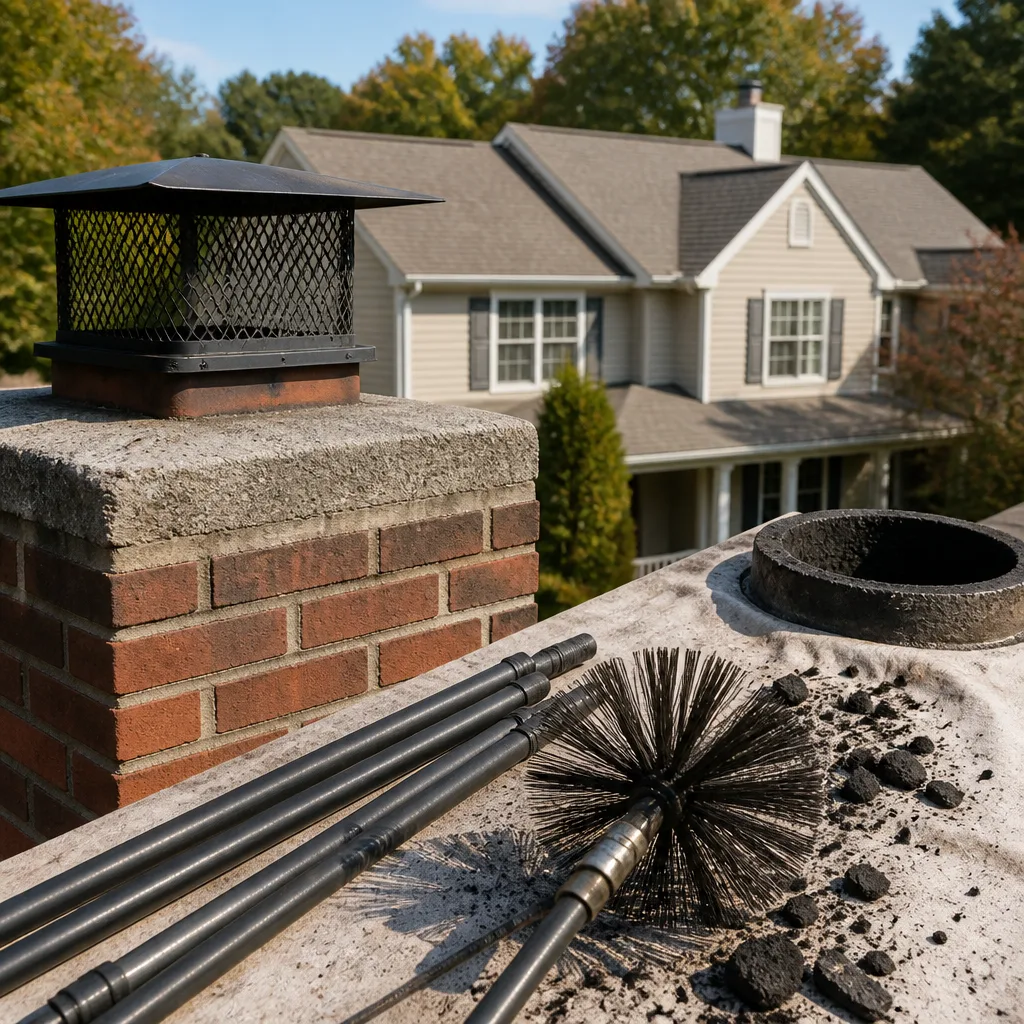
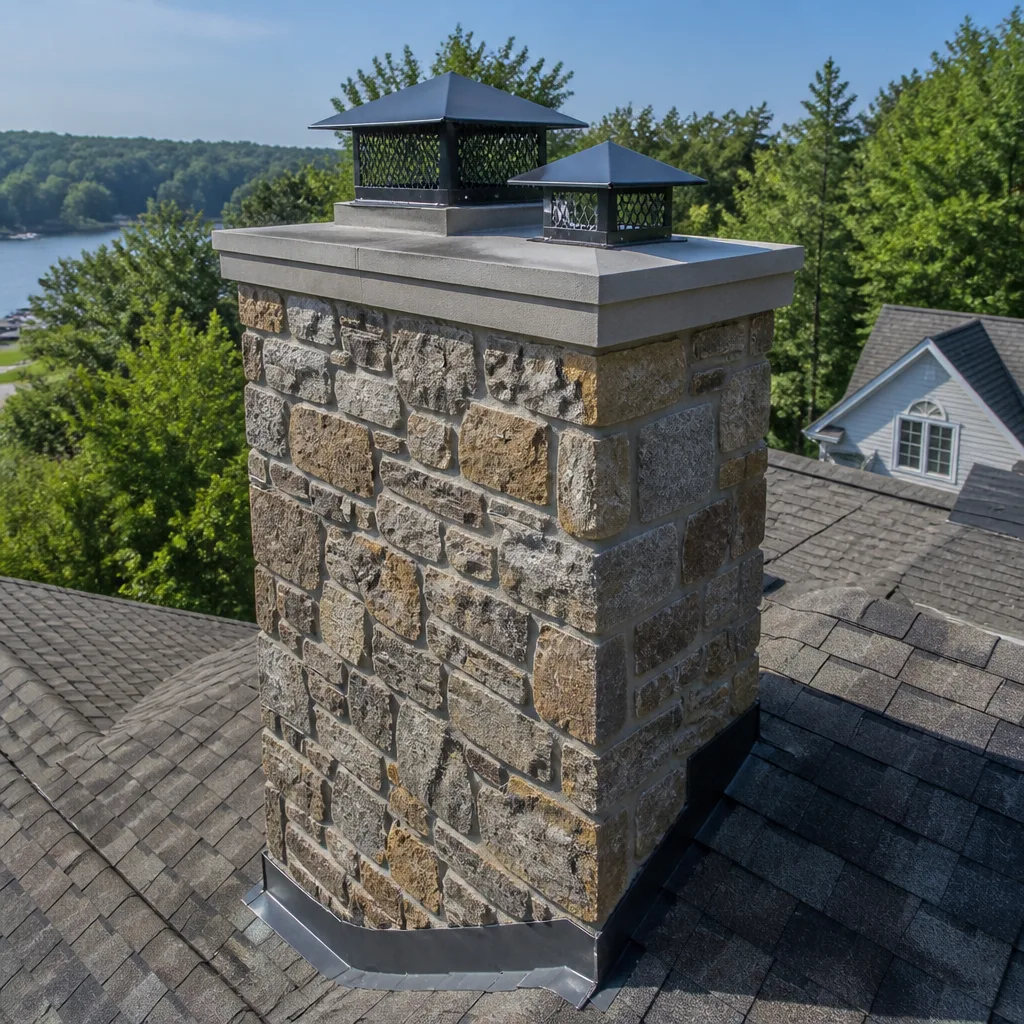
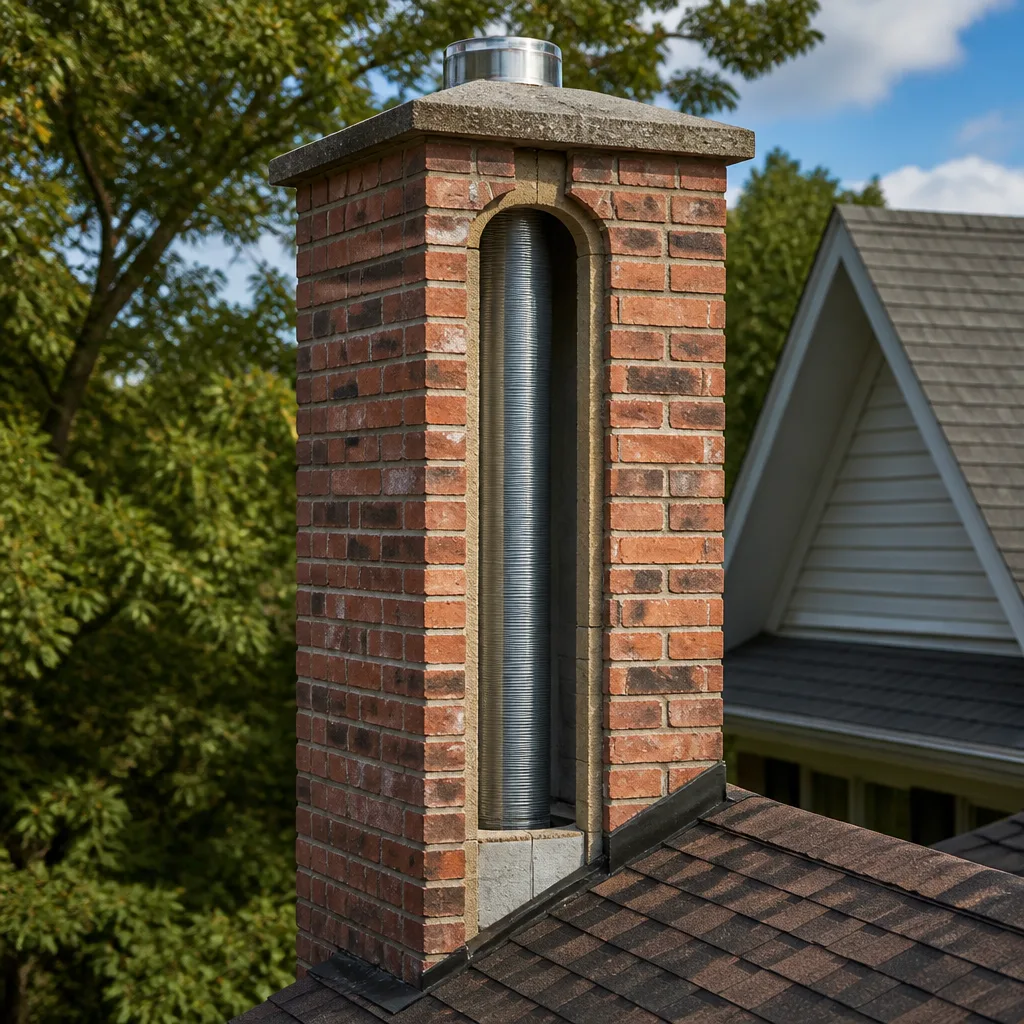
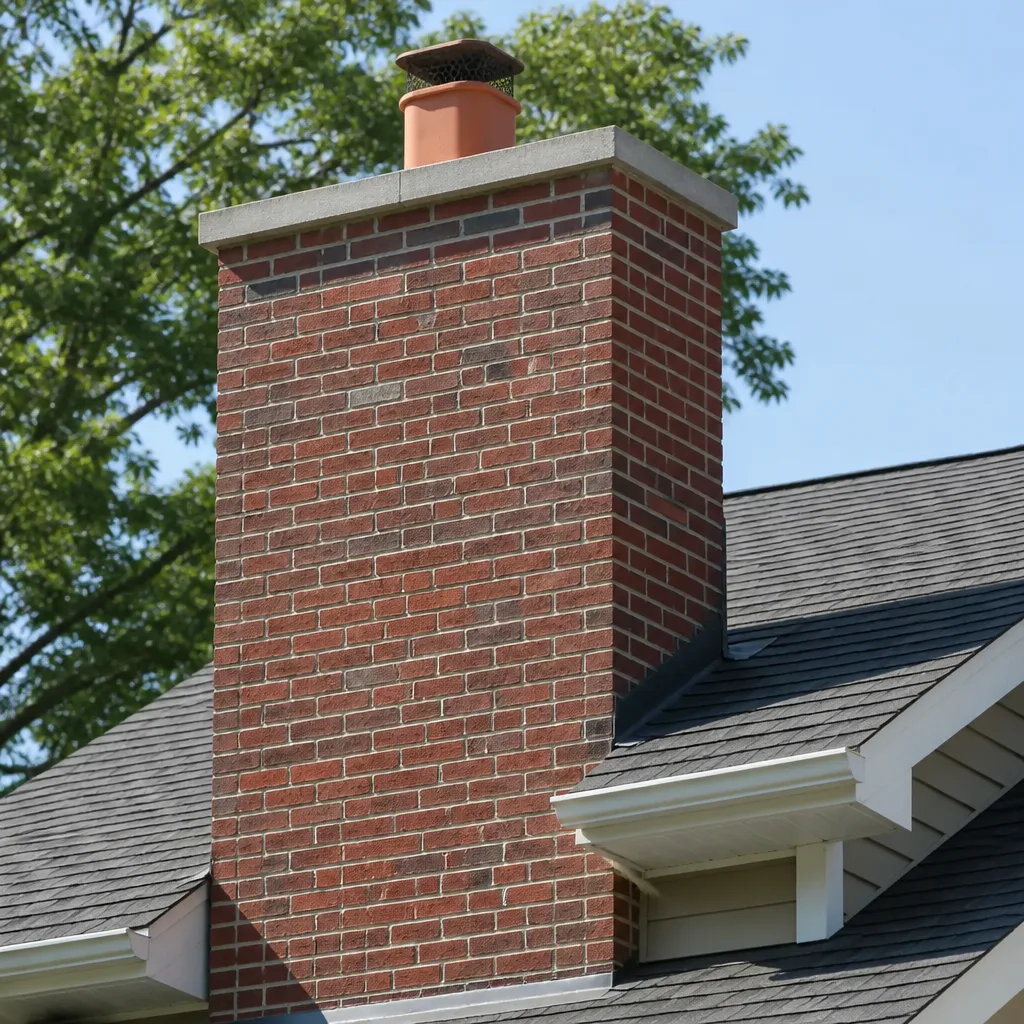
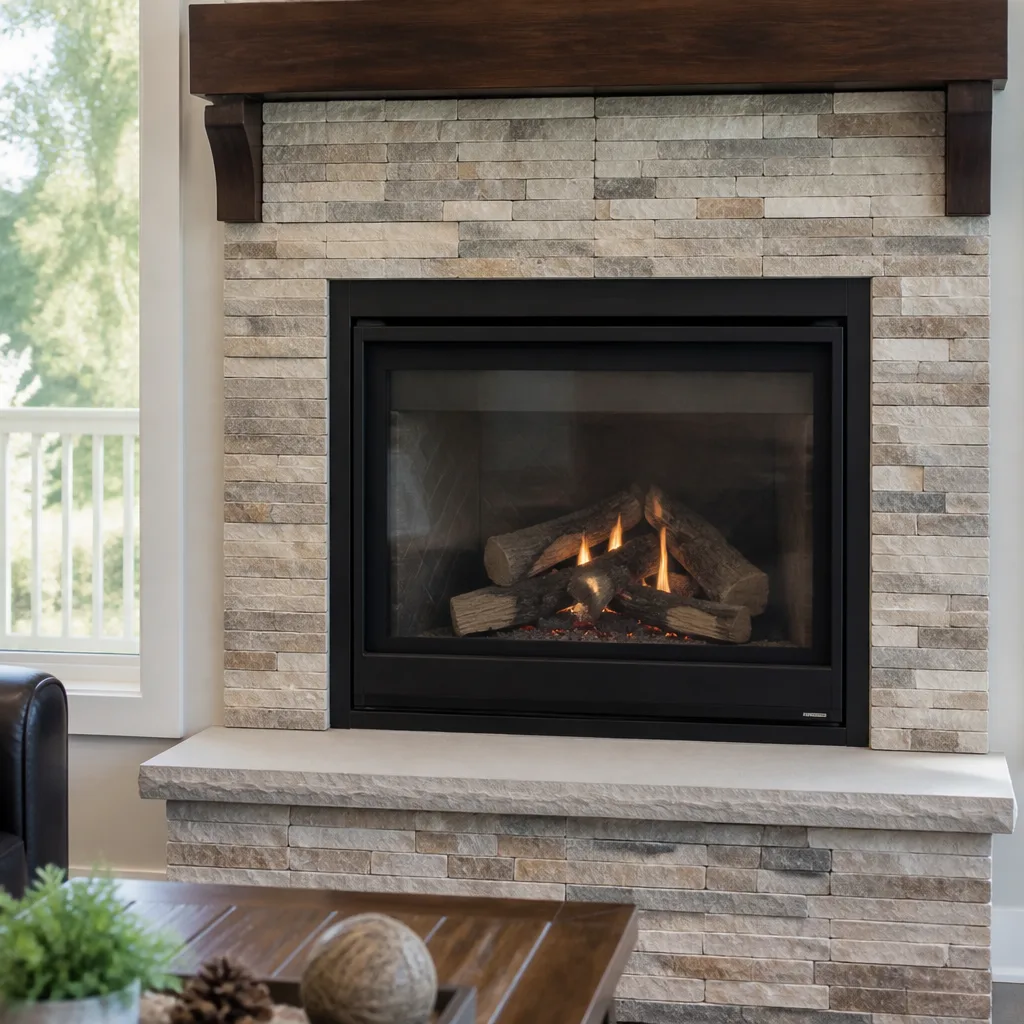
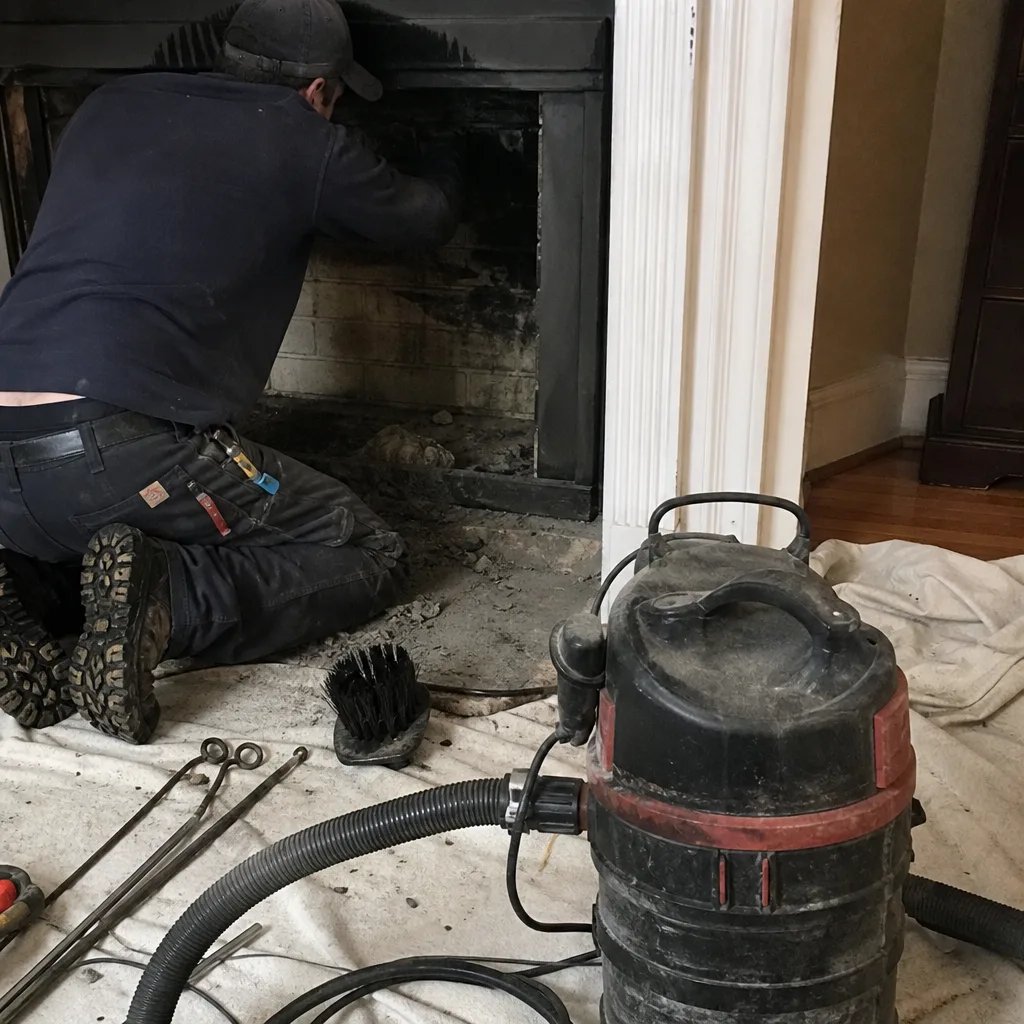 Before
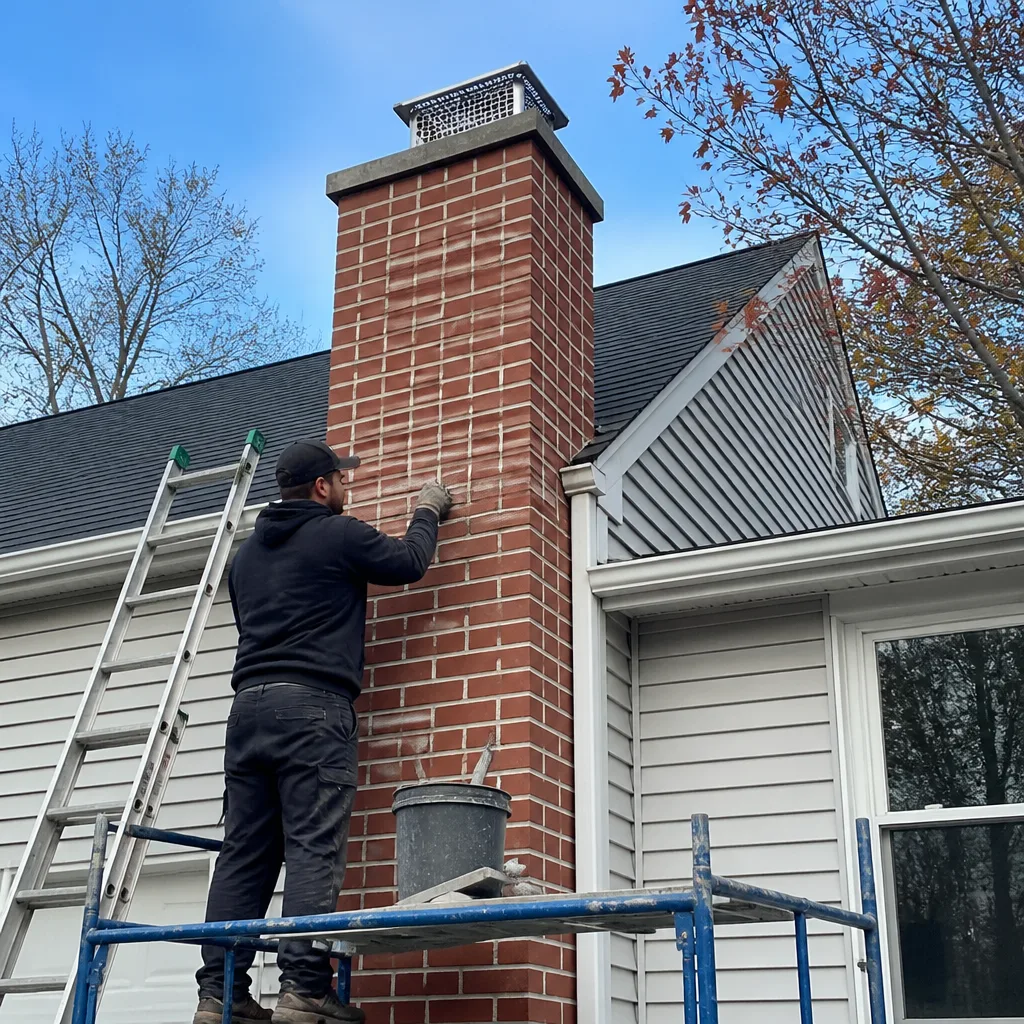 After
After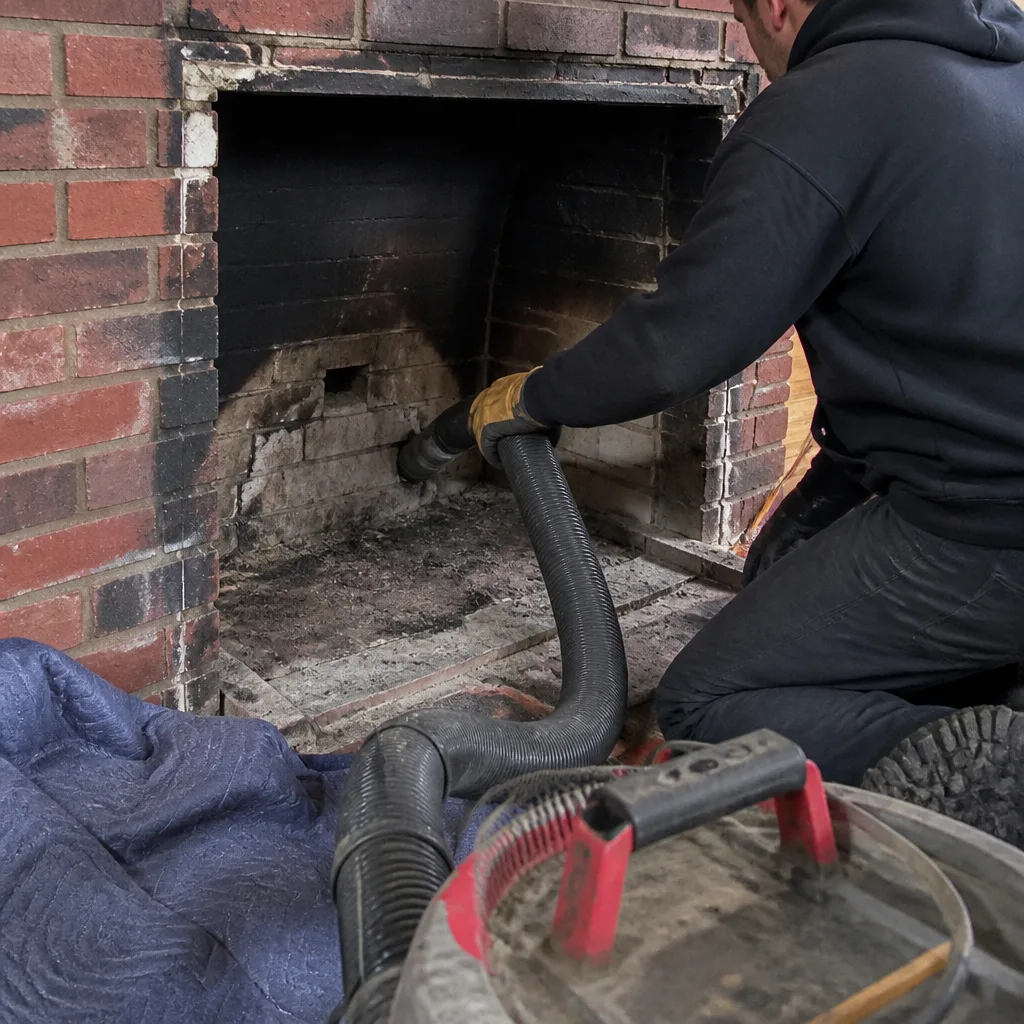 Before
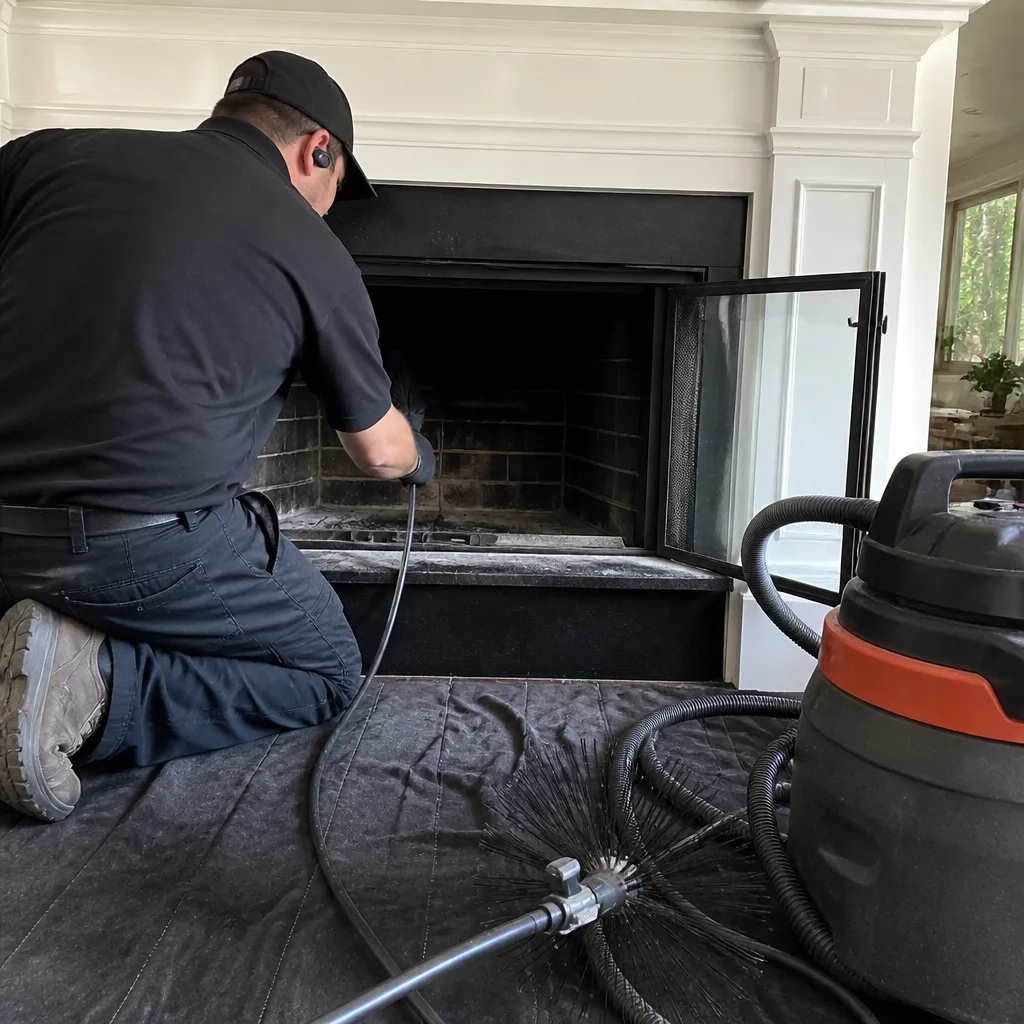 After
After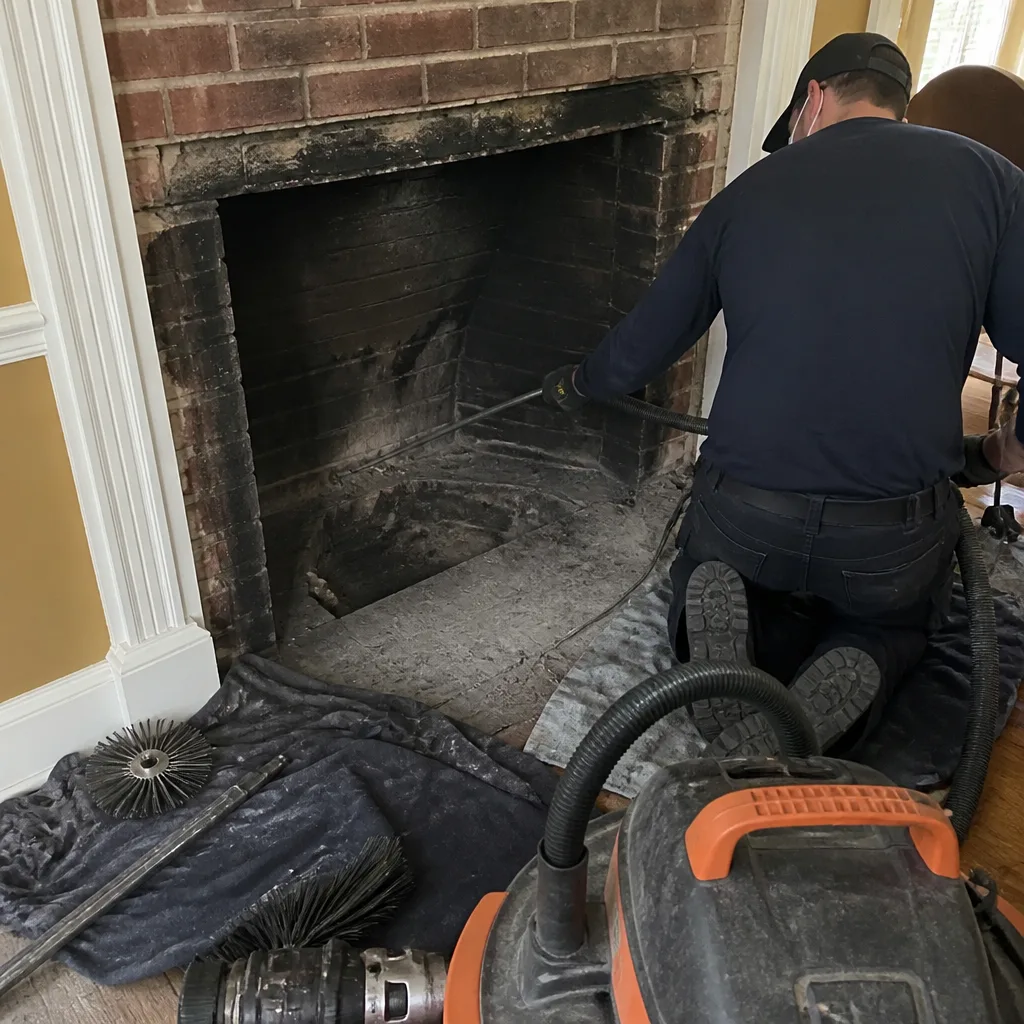 Before
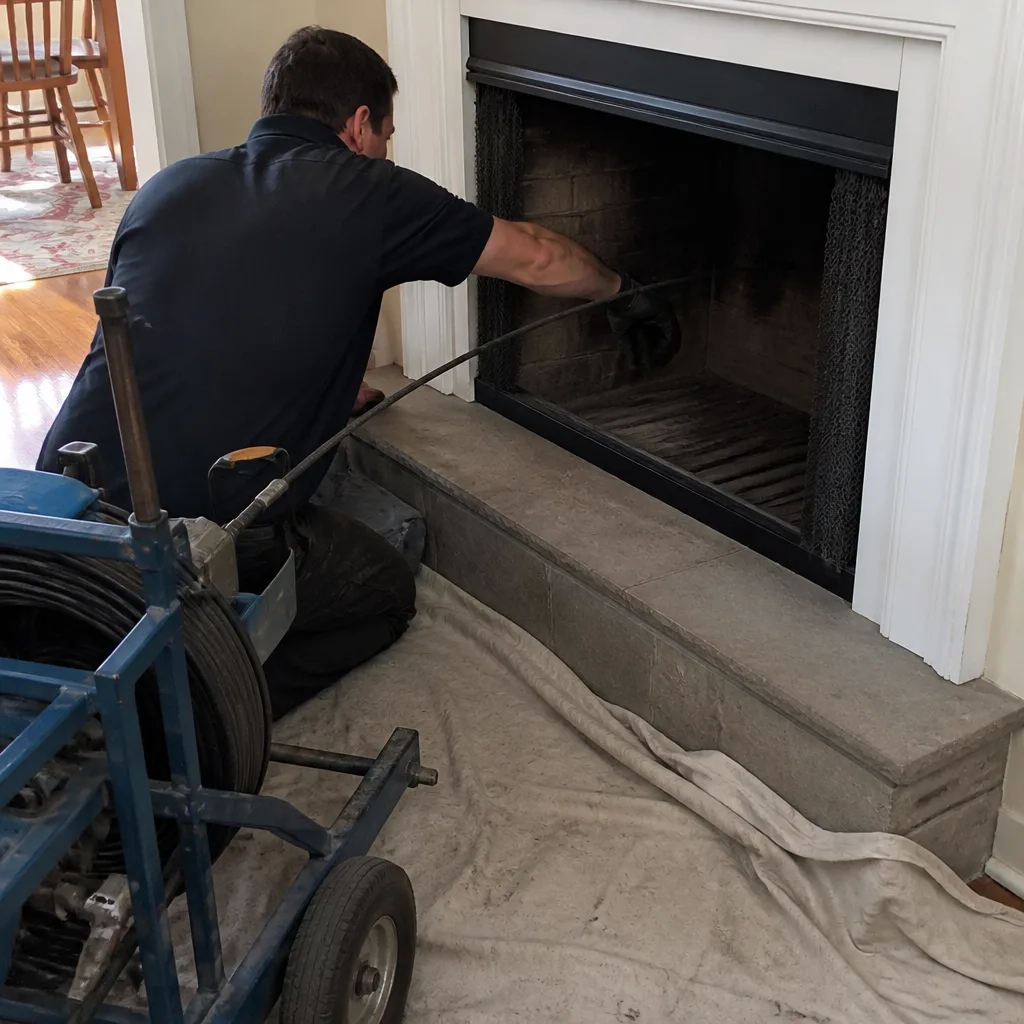 After
AfterCreosote Removal in Framingham, MA
Creosote removal in Framingham typically runs between $180 and $450 depending on how much buildup is present and how far along it has progressed. Most level-one and level-two jobs are finished in a single visit, and Wendell can usually get to you within a day or two of your call. If you’d rather talk it through first, call (781) 390-9211 – a live person picks up around the clock, and it may well be Wendell himself.
Creosote is the byproduct of every wood fire you have ever burned. It condenses on the flue walls as smoke cools, and it doesn’t stop accumulating just because you can’t see it from the living room. Left alone long enough, it moves from a brushable powder into a tar-like glaze that laughs at a standard chimney brush and becomes a serious fire hazard. We have been pulling it out of Framingham chimneys since 1999, and the work is part of every Chimney Cleaning & Sweep in Framingham we do.
What sets Top Hat Chimney apart from the outfits that quote one number on the phone and hand you a different invoice at the door is simple: Wendell puts his name on every job, backs it with a written 90-Day Done Right Promise, and will be the same person you run into at the hardware store on Saturday. No franchise rotation. No call center. Just a sweep who has worked these same streets since before most of the national chains knew where Framingham was.
When You Need Creosote Removal
A lot of homeowners assume creosote is only a problem if they burn green wood or run a stove wide open every night. That is not how it works. Even careful, occasional burning builds deposit over time, and Framingham’s cold shoulder season – October through March – gives it months to accumulate before most people schedule Chimney Cleaning & Sweep services. Here are the clearest signs that you need removal sooner rather than later:
- A strong, acrid smell coming from the firebox even when the fireplace is not in use. In Framingham’s humid summers, creosote absorbs moisture from the air and releases a sharp, oily odor that works its way through the damper and into the room. If your living room smells like a campfire in July, the flue needs attention.
- Visible black or dark brown flaking inside the firebox or on the damper plate. That flaking is first-degree creosote that has started to migrate downward. It is the easiest stage to deal with – and a clear signal that the deposit above it is thicker than what you can see.
- Reduced draft or smoke that rolls into the room when you open the damper. Heavy creosote narrows the flue opening the same way grease narrows a kitchen pipe. When the draw feels wrong, a blocked or coated flue is one of the first things to rule out.
- It has been more than a year since your last professional cleaning. The National Fire Protection Association says once a year, burn season or not. Chimneys deteriorate in the off-season too – the creosote does not wait for you to schedule.
- You had a chimney fire, even a small one. A brief, fast-burning event can convert soft first-degree deposits into hard, glazed third-degree creosote in one shot. If you heard a rumbling sound or noticed an unusually hot flue, stop using the fireplace and call us before the next fire.
- You burned a lot of softwood, green wood, or cardboard boxes over the winter. These fuels produce far more smoke particulate than properly seasoned hardwood. Framingham is surrounded by mature oak and maple, so good firewood is available locally – but not every cord sold around here is as dry as the seller claims. Wet wood means faster creosote buildup.
Our Creosote Removal Process
The process changes depending on what we find in the flue. A thin first-degree deposit and a third-degree glaze are not the same job, and treating them identically would be cutting corners. Here is how Wendell and his crew approach a creosote removal call from start to finish:
- Camera inspection before any tools come off the truck. Every job starts with a flue camera run from the firebox up. You see the footage. Wendell gives you a plain-English read on what is there, what stage the creosote is at, and exactly what the job will cost before a single brush touches the liner. The number you hear is the number on the invoice – no surprises.
- Setting up containment at the firebox. We seal the fireplace opening with a drop cloth and magnetic cover to keep soot and debris out of the room. Your furniture and floors stay clean. This is basic trade practice, but you would be surprised how many callers tell us the last outfit left a ring of black dust on the hearth rug.
- Mechanical brushing for first- and second-degree deposits. For powdery or flaky buildup, we work from the top with rotary or hand brushes sized to your specific flue. We use Copperfield brush systems on most standard clay-tile liners – they are built for this work and hold their shape through a full cleaning season. The dislodged material drops to the firebox, where we vacuum it out with a HEPA unit.
- Chemical application for second-degree and third-degree glazed creosote. When brushing alone will not cut through a heavy glaze, we apply a chemical creosote-modifying agent. This converts the hard, shiny deposit into a dry, brushable ash that can then be swept out mechanically. We follow the manufacturer protocol and never rush the dwell time – doing it fast would mean leaving material behind.
- Post-removal inspection and liner assessment. After the flue is clear, we run the camera a second time. Sometimes creosote hides cracked tile or a corroded liner joint that was invisible on the way in. If we find something, we tell you. If the liner is sound, we tell you that too. Wendell does not manufacture problems.
- Closeout and written documentation. You get a written summary of what we found, what we did, and what – if anything – needs follow-up. Every job is covered by our 90-Day Done Right Promise: if anything about the work is not right, one call brings Wendell back at no additional cost. That is in writing, on every single job.
Creosote Removal Pricing in Framingham
Creosote removal in Framingham costs more than a standard sweep when the deposit is heavy, and less when it is caught early. The single biggest factor in your price is which degree of buildup we find – not how much we can upsell on the visit. Here is an honest look at the ranges:
| Creosote Stage | What It Looks Like | Typical Price Range |
|---|---|---|
| First-degree (light, powdery) | Brushes out in a single pass; caught at annual cleaning | $180 – $260 |
| Second-degree (crunchy, flaky tar) | Heavier deposits; may need rotary brushing or mild chemical assist | $260 – $350 |
| Third-degree (glazed, hardened) | Full chemical treatment plus mechanical removal; may require two visits | $350 – $650+ |
A few things affect where your job lands in those ranges: flue height (a three-story Framingham colonial has a longer liner than a ranch), whether access to the roof is straightforward or complicated by a steep pitch, and how many years of buildup we are dealing with. If we find a damaged liner or cracked tiles during the inspection, we quote that repair separately – you decide whether to do it at the same visit or schedule it for later. No pressure.
Standing offers that apply to creosote removal jobs in Framingham: $40 off any repair over $200, a free second opinion on any competing written estimate you have already received, and a 10% discount always for seniors and veterans. There is no trip charge for calls inside our service county. Call (781) 390-9211 to get an estimate before we even pull out of the driveway.
Why Third-Degree Creosote Is a Separate Conversation
Most of what we remove in Framingham is first- or second-degree buildup – the kind that brushes out clean in one visit. But third-degree creosote deserves a plain-English explanation because it behaves differently from anything else in a chimney.
Glazed creosote forms when second-degree deposits get exposed to a chimney fire, even a brief one. The heat essentially bakes the tar into a hard, shiny coating that bonds to the liner walls. A standard chimney brush does almost nothing to it. Chemical treatment is the starting point: we apply a product that reacts with the glaze and converts it into a brittle, brushable material over a matter of hours. In severe cases, that process takes more than one application and more than one visit.
Here is the safety note you need to hear: a flue with significant third-degree glazing should not be used until it is cleared. The glaze burns at lower ignition temperatures than the wood you are burning, which means a second chimney fire is a real possibility. We will tell you this directly on the inspection call. If another outfit says third-degree creosote is no big deal, that is your signal to get a second opinion. Our free second-opinion offer exists precisely for situations like that.
For liners that have been damaged by a past chimney fire and need resurfacing, we work with HeatShield restorative products when the liner is structurally sound but pitted or cracked. On jobs that require a full reline, we install DuraFlex flexible stainless liner systems. Both are products Wendell has used for years; neither is a substitute for the other.
Framingham-Specific Notes on Creosote
Framingham sits in a part of MetroWest where the winters are real and the housing stock is old enough that a lot of Fireplace Cleaning needs involve original masonry – built for a different era of burning and a different standard of flue sizing. The older colonials in the Nobscot and Saxonville neighborhoods often have large, open fireplace throats that draw unevenly in cold weather, which drives down flue temperatures and speeds up creosote deposit. We see it regularly.
The stretch of Route 9 corridor neighborhoods with newer construction tends to have prefabricated fireplaces and factory-built flue systems – different materials, different creosote behavior, and a different cleaning approach. A flue camera tells us which we are dealing with inside of two minutes.
Framingham also has a higher-than-average rate of homeowners who inherited a fireplace they have never had inspected. If you bought your house in the last few years and the previous owners were burning wood, we would recommend a cleaning and camera inspection before the next fire. We have pulled out creosote deposits in older Framingham homes that had never been professionally swept – the kind of buildup that makes the camera footage genuinely alarming.
Key Takeaways
- Creosote removal in Framingham runs $180-$650+ depending on the degree of buildup – caught early, it is a straightforward brush job and one of the cheaper maintenance items on a house.
- Three degrees of creosote require three different approaches. First-degree is a brush pass. Third-degree is a chemical conversion – do not let anyone tell you otherwise.
- A flue camera inspection comes first on every job. You see the footage. You hear the verdict in plain English before the price is set.
- Every job is backed by a written 90-Day Done Right Promise. One call brings Wendell back if something is not right.
- Seniors and veterans get 10% off, always. $40 off any repair over $200. Free second opinion on any competing written estimate.
- Third-degree glazed creosote is a fire hazard. Stop using the fireplace and call before lighting another fire.
FAQs – Creosote Removal
How much does creosote removal cost in Framingham, MA?
Creosote removal in Framingham typically costs between $180 and $650 depending on the stage of the deposit and the length and condition of your flue. First-degree powdery buildup on a standard liner is usually in the $180-$260 range. Third-degree glazed creosote – the hardened kind that requires chemical treatment – can run $350 to $650 or more, and occasionally requires two visits to fully clear. Wendell quotes the price after the camera inspection, before any work begins, so you know exactly what you are looking at. Call (781) 390-9211 for a free estimate.
Can you remove creosote in one visit?
Yes, in most cases. First- and second-degree creosote is nearly always cleared in a single visit. Third-degree glazed creosote sometimes requires a follow-up because the chemical conversion takes time to fully break down the hardened deposit. When a second visit is needed, we tell you upfront on the first visit – it is not a surprise call with a new charge. Every job is covered by our 90-Day Done Right Promise, so if we say it is clear and it turns out not to be, we come back at no additional cost.
Is creosote removal different from a regular chimney cleaning?
A standard chimney cleaning handles light, routine buildup – the kind that accumulates over a normal burn season. Creosote removal specifically addresses heavier, more advanced deposits that require specialized techniques beyond a basic brush pass. For second- and third-degree deposits, that means rotary brushing systems, chemical treatment, and sometimes a multi-visit process. At Top Hat Chimney, every cleaning starts with a camera run so we know exactly which level of work the flue actually needs. You can read more about what a full annual visit looks like on our Chimney Cleaning & Sweep in Framingham page.
Is it safe to use my fireplace if I have creosote buildup?
It depends on the stage. Light first-degree buildup is common and relatively low-risk, though it should be cleaned before it progresses. Second-degree buildup raises the fire risk meaningfully and should be addressed before the next burn season. Third-degree glazed creosote is a direct fire hazard – the glaze ignites at lower temperatures than the firewood you are burning, and using the fireplace with a heavy glaze present is how chimney fires start. If you have any reason to suspect significant buildup, stop using the fireplace and call (781) 390-9211. A camera inspection takes less than an hour and gives you a definitive answer.
Schedule Your Creosote Removal in Framingham Today
If you are heading into burn season with a flue that has not been cleaned in more than a year – or you have noticed any of the signs listed above – call (781) 390-9211. Wendell and his crew serve Framingham and the surrounding MetroWest communities, and the person who picks up is a live human being at any hour. Estimates are free, pricing is given before work starts, and every job carries the 90-Day Done Right Promise in writing. Ask anyone on your street. Top Hat Chimney has been doing this work since 1999, and Wendell’s name is on every job he sends out the door.
You can also learn more about the full scope of what we do when we visit on our home page, or review everything that goes into a complete annual visit on the Chimney Cleaning & Sweep in Framingham page.
Written by Wendell Pike, Owner at Top Hat Chimney, serving Framingham since 1999.