
Level 1 sweep and inspection to the NFPA 211 annual standard - flue, crown, cap, and flashing checked and photographed
Chimney sweep logs do not sweep chimneys. They loosen some creosote - which then falls where a brush and vacuum still have to collect it.
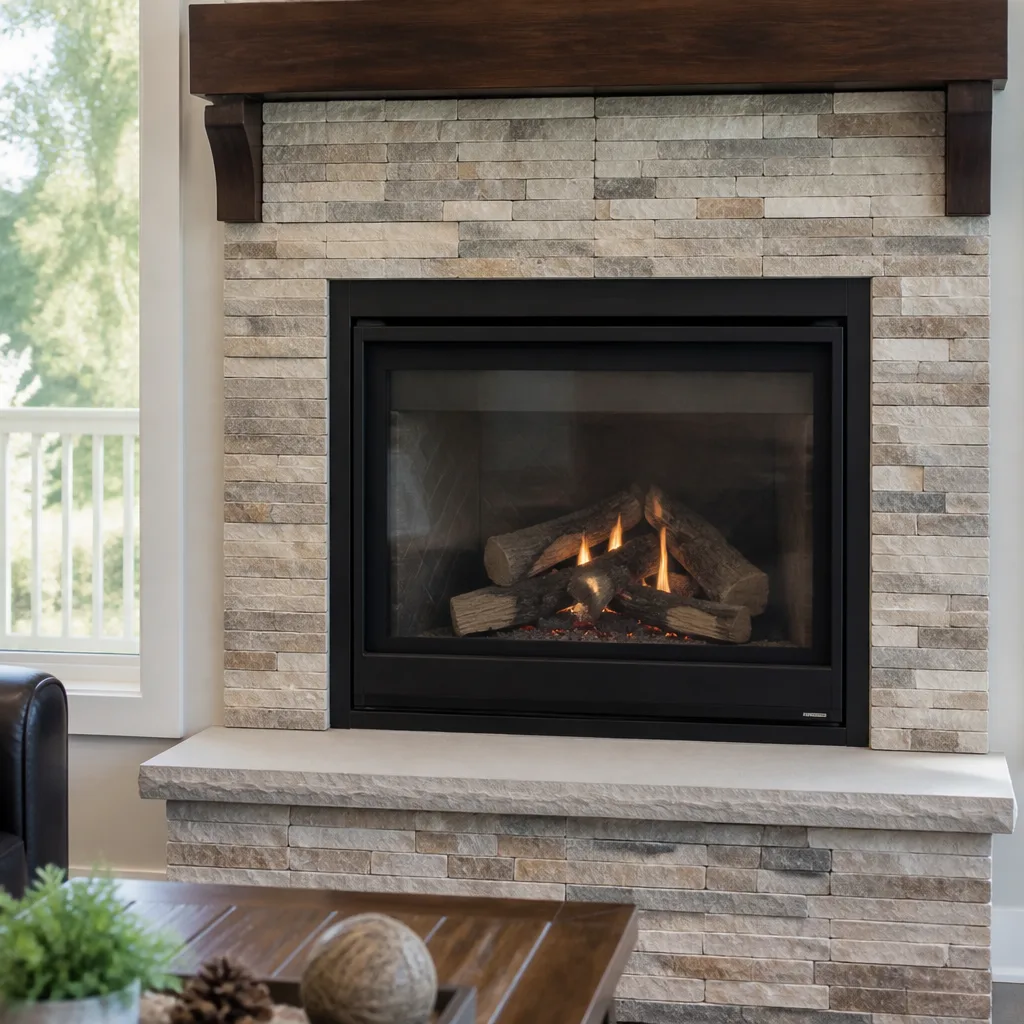
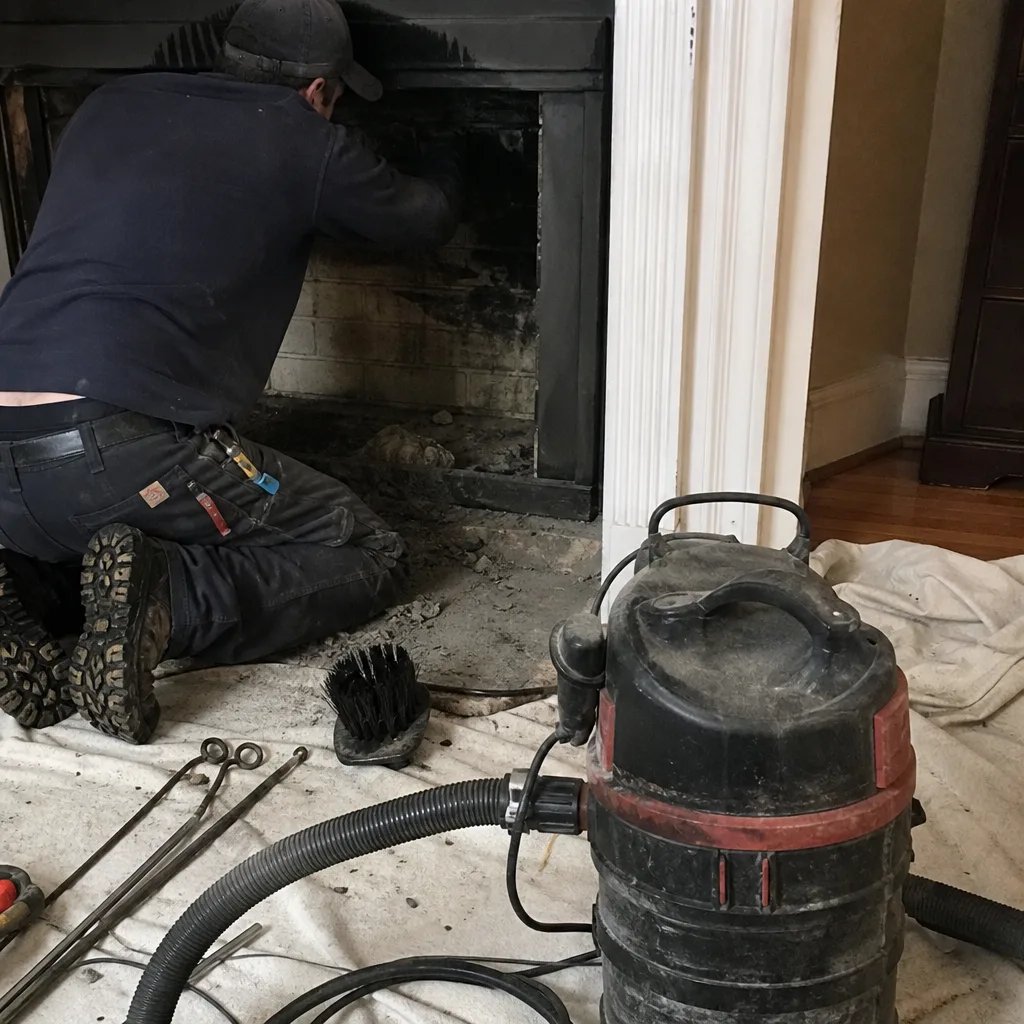 Before
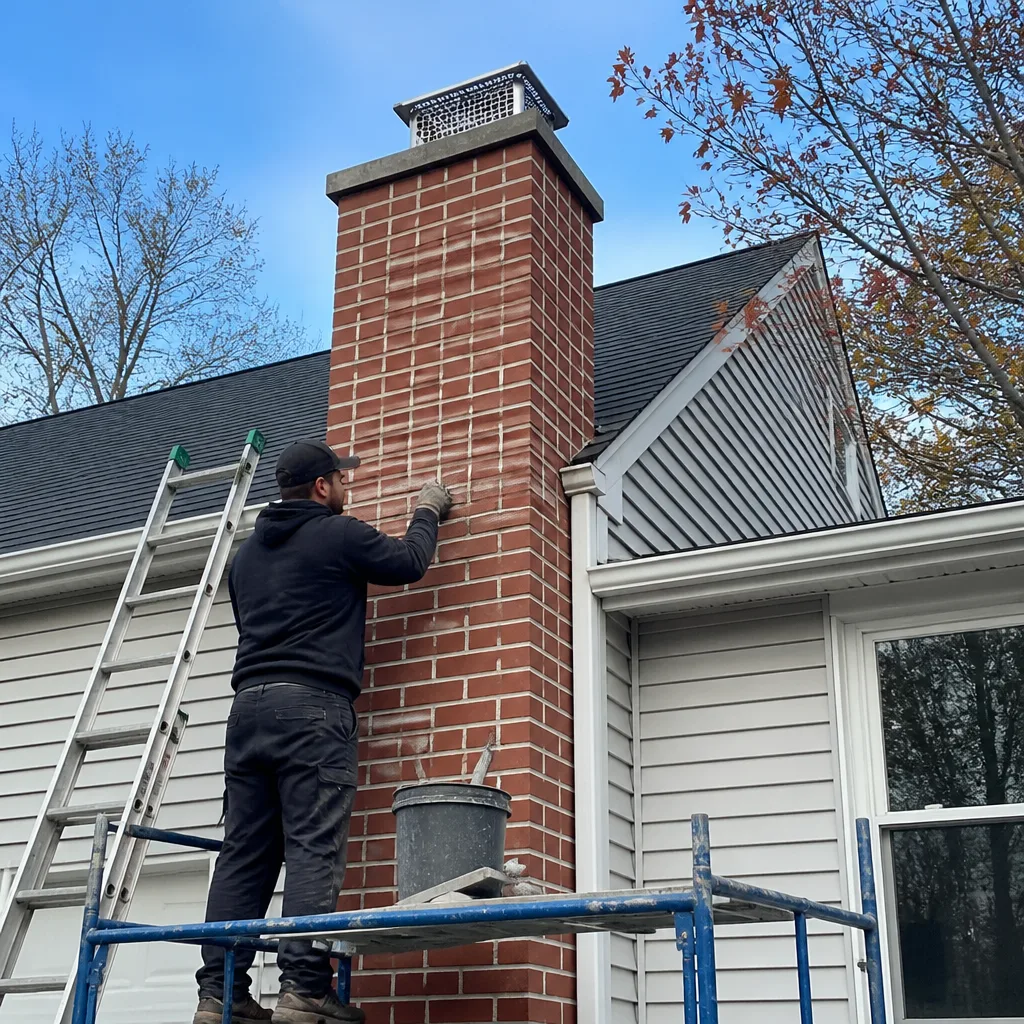 After
After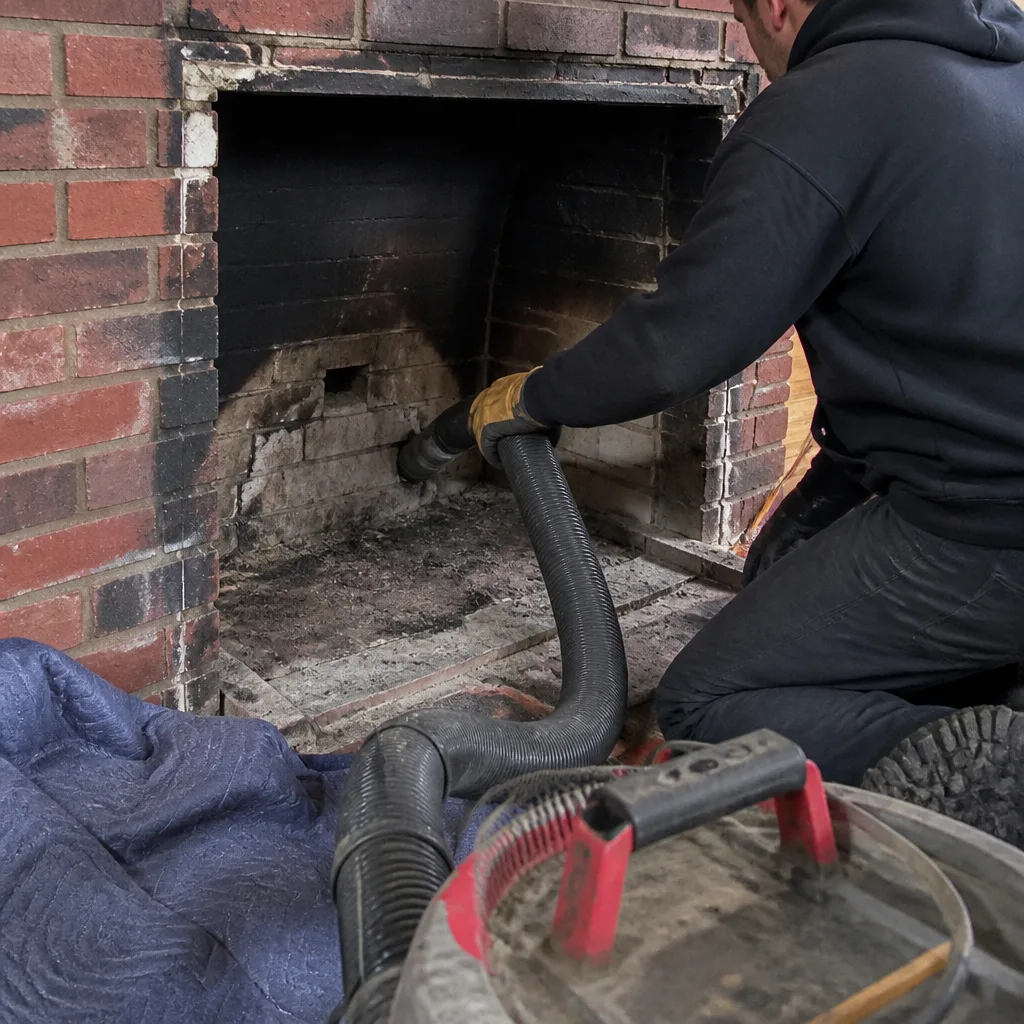 Before
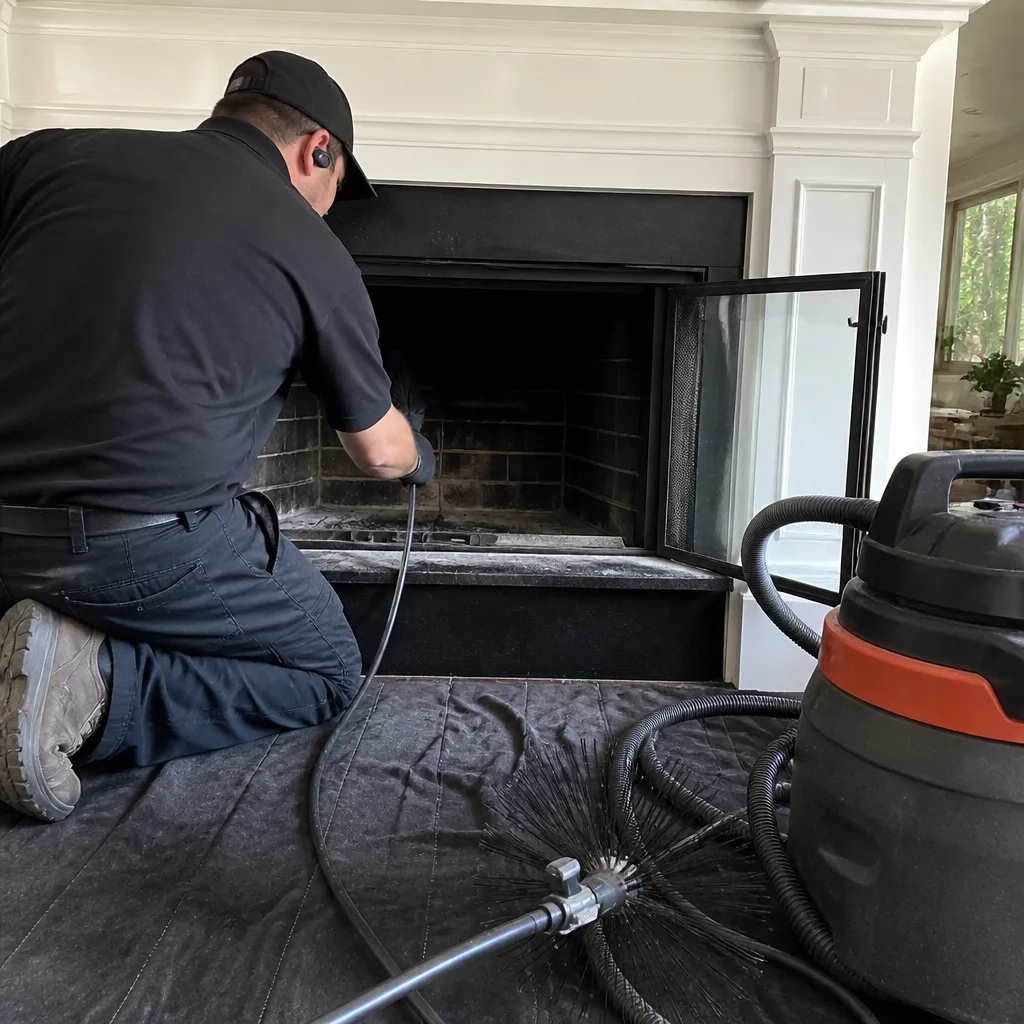 After
After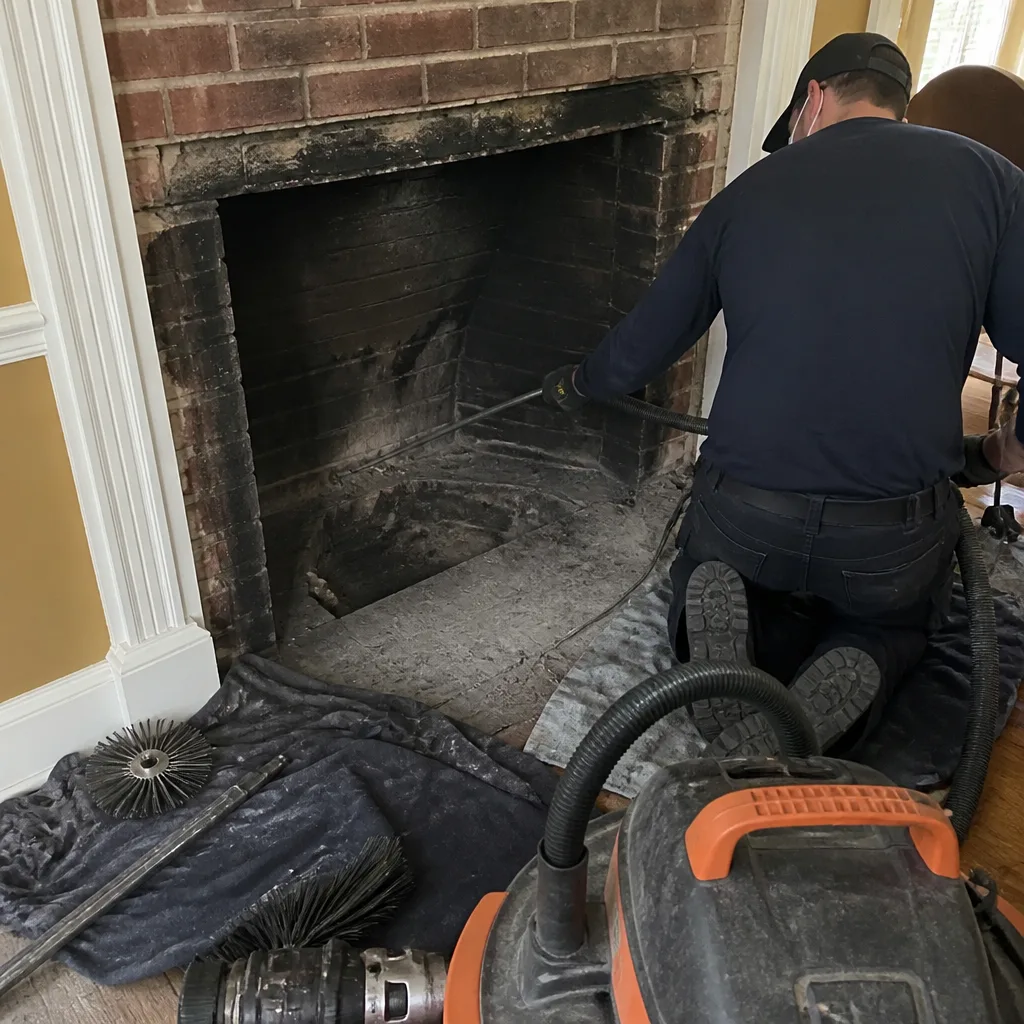 Before
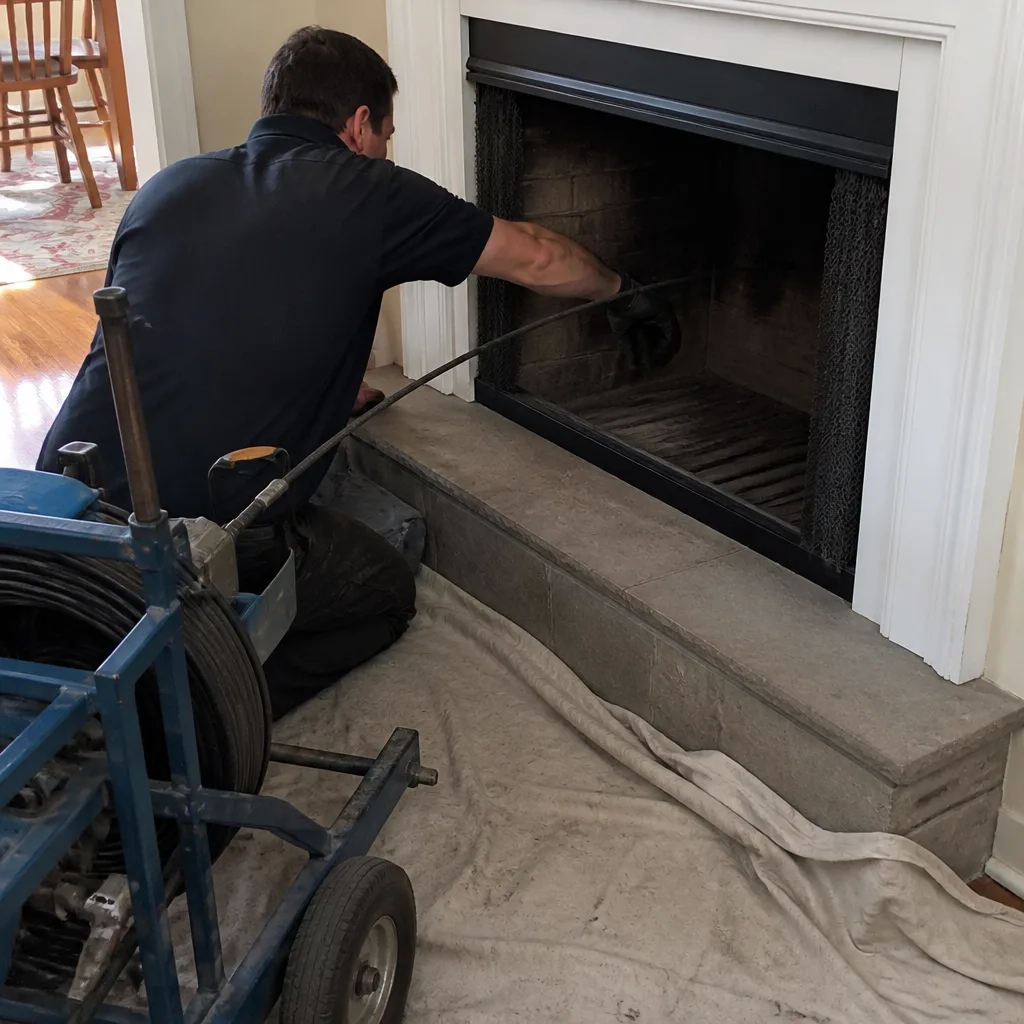 After
AfterGelco Flue Liner Replacement: The Framingham Owner’s Guide
A Gelco flue liner replacement in Framingham typically runs $900 to $1,800 installed, depending on the liner diameter, the height of your chimney, and whether the old liner comes out of the flue in one piece or has to be broken up and pulled in sections. We keep common Gelco-compatible liner sizes on the truck, so most Framingham jobs are done the same day, and every liner install is covered by our 90-Day Done Right Promise in writing.
Most homeowners discover the liner has failed the way you just did: a rust stain down the face of the brick, a flake of metal on the hearth, or the tech from the gas company tagging the furnace and telling you the flue won’t pass inspection. The liner is the one part of the chimney you can’t see from the ground, so by the time it’s showing symptoms, it’s usually been leaking for a while. The good news: a failed Gelco liner is a straightforward replacement, not a reason to pour twenty grand into a rebuild.
Key takeaways:
- We’re an independent local company in Framingham, not affiliated with Gelco, but we install and stock Gelco-compatible liners for replacement work.
- Installed cost in Framingham runs $900 to $1,800 for most single-flue homes; condensing exhaust or oil-specific liners may run slightly higher.
- Same-day replacement is common for standard sizes; the liner itself comes in 25- and 35-foot sections, and most Framingham chimneys fall inside that range.
- Every install gets camera footage before and after. You’ll see exactly what came out and what went back in.
Which Gelco Models This Applies To
Gelco has made a few liner series over the years, and the compatibility question usually comes down to how the liner was originally sized and what it was venting. The most common Gelco products we see in Framingham are the stainless steel flexible liners used for gas furnaces, boilers, and water heaters, along with the heavier rigid stainless models used on oil-fired appliances. The flex liners are the ones that show up most often with rust-through or seam separation, especially on older homes around Nobscot and Saxonville where the appliance has been upgraded but the flue never was.
Identifying your part means looking for the Gelco sizing stamp on the liner itself, which you may not be able to see from the top or bottom without pulling the cap or the connector. If the stamp is long gone, the measurement matters more than the brand: the inside diameter in inches is what we’re matching, and a mismatched diameter is the single most common cause of a “new” liner that drafts poorly. A liner that’s too small chokes the appliance; too large and the flue gases cool too quickly and the condensation eats the liner from the inside.
One compatibility gotcha worth knowing: Gelco flex liners are sold in both smooth-wall and corrugated profiles, and a smooth-wall replacement for a corrugated original will change the draft slightly. That almost never matters for a 35,000-BTU furnace, but it absolutely matters if you have a large gas fireplace or a boiler pushing a lot of exhaust. We match the profile, not just the diameter. Aftermarket stainless liners from manufacturers like DuraFlex and HeatShield are fully compatible with Gelco original specs, and most of the time an aftermarket liner from a known brand will outlast an original because the alloy spec has improved since the 1990s. We’re happy to walk you through the difference on the phone.
Signs Your Gelco Flue Liner Replacement Is Failing
- Rust stains or vertical streaks on the exterior brick. That’s condensation from a liner that’s cracked or perforated. Water and flue gas are leaking through the liner body into the masonry, and the rust is the tell. Left alone, the brickwork starts spalling, and then you’re doing the liner and the brick repair.
- Metal flakes or scale falling into the firebox or the appliance connector. If you see what looks like shiny fish scales near the furnace or water heater draft hood, the liner is delaminating from the inside out. That’s not dust; that’s the inner wall of the liner coming apart.
- A smell you can’t place, like a fired-clay or metallic whiff, near the chimney or in the basement during appliance run cycles. Condensation and exhaust leaking into the chase smell different from a wood fire. If you catch it in the summer, the gas water heater is the likely source pushing moisture through a cracked liner.
- Visible gap or sag in the liner when looking down from the top. A liner that has pulled away from the flue tile or shifted tells you the termination plate or support failed. This one you can check from the ground on a clear day if you’ve got binoculars; if the cap looks tilted or the liner looks like it’s leaning, call us before you run the appliance again.
- Failed inspection or a burner shutdown from your gas service tech. The most common way Framingham homeowners find out, honestly. The gas company tags the appliance for a flue issue, and now the liner is no longer optional. We handle a lot of these cases, and the fix is usually a one-day job.
Replacement Cost & What’s Included
In Framingham, expect $900 to $1,800 for a single-appliance Gelco-compatible liner replacement, installed, with the old liner removed and hauled away. Two-story chimneys on the high end, ranches on the lower end. The liner material itself is usually $20 to $35 per foot, depending on diameter and profile, and a typical Framingham flue needs 20 to 30 feet. The rest is the labor of getting the old liner out, which is the part that varies. If the old Gelco liner is brittle and comes apart as we pull it, the job takes longer.
Every quote includes the new liner cut to length, a new top plate and rain cap if the old one is shot, the connector at the appliance end, and the full removal of the old liner. Camera inspection is included before and after, and you get the footage. No line item surprise at the door. We price it before a single tool comes off the truck, and the number you hear on the phone is the number on the invoice. The work is covered by our 90-Day Done Right Promise: if it’s not right, one call brings Wendell back. This is the repair we quote most in the fall, when Framingham homeowners get the gas company tag and the first cold snap is two weeks out.
DIY or Call Us?
Let’s be plain about this one: replacing a flue liner is not a weekend job. The liner is running through the center of your chimney, and pulling it usually means dropping a cable, winching out a section of metal that wants to shred itself mid-pull, and working from a ladder on a pitched roof. A mishandled pull can tear a hole in the new liner or send debris into the appliance connector, and the first time you start the furnace after a botched install, you won’t know whether you fixed anything or made it worse. If this is the liner serving a furnace or boiler, the carbon monoxide risk is real, and we don’t recommend this as a DIY job in any form.
What you can safely do is check whether your liner is visibly deteriorated from the ground with binoculars, and you can check the appliance connector in the basement for rust flakes. You can also call us at (781) 390-9211 and let Wendell run a camera down the flue and give you the honest verdict. If it doesn’t need doing, he’ll tell you. If it does, you’ll see the footage for yourself before we quote anything.
FAQs
A Gelco stainless liner in our climate lasts 15 to 25 years, with gas appliances on the longer end and oil on the shorter end. Framingham’s freeze-thaw cycles and wet springs tend to push moisture into the flue, and a liner that is already thinning from condensation damage gives out sooner here than it would in a dry climate. If your liner is over 20 years old and you’re seeing rust flakes, we’d replace it before the gas company makes the decision for you. Call (781) 390-9211 and we’ll take a look with the camera.
Small perforations at the top few feet can sometimes be addressed with a short replacement section, but once the liner is corroding from the inside, any patch is a band-aid on a part that’s already thin across the rest of the body. We will patch if the damage is localized and the rest of the liner is sound, and we’ll show you exactly why on camera. If it’s failing broadly, replacing the whole liner is cheaper in the long run than paying for a patch now and a full replacement in three years. Call (781) 390-9211 for a free estimate either way.
Most single-flue replacements are done in four to six hours, including removing the old liner, pulling the new one, and reconnecting the appliance. Same-day completion is normal for standard sizes. If the old liner is badly degraded and comes out in pieces, we may need an extra hour or two, but we’ll tell you before we start. The job is booked in advance, and the quote doesn’t change once we see the flue.
We stock common Gelco-compatible stainless liners in 4, 5, 6, and 7-inch diameters in both smooth-wall and corrugated profiles, along with the matching top plates, caps, and connectors. Odd sizes or unusual configurations may require a same-week order, but the common stuff is on the truck. We also stock compatible DuraFlex and HeatShield alternatives when they fit the job better. Call (781) 390-9211 and we’ll tell you over the phone if we have your size before we ever schedule the appointment.
Written by Wendell Pike, Owner, Top Hat Chimney at Top Hat Chimney, serving Framingham and nearby areas.